


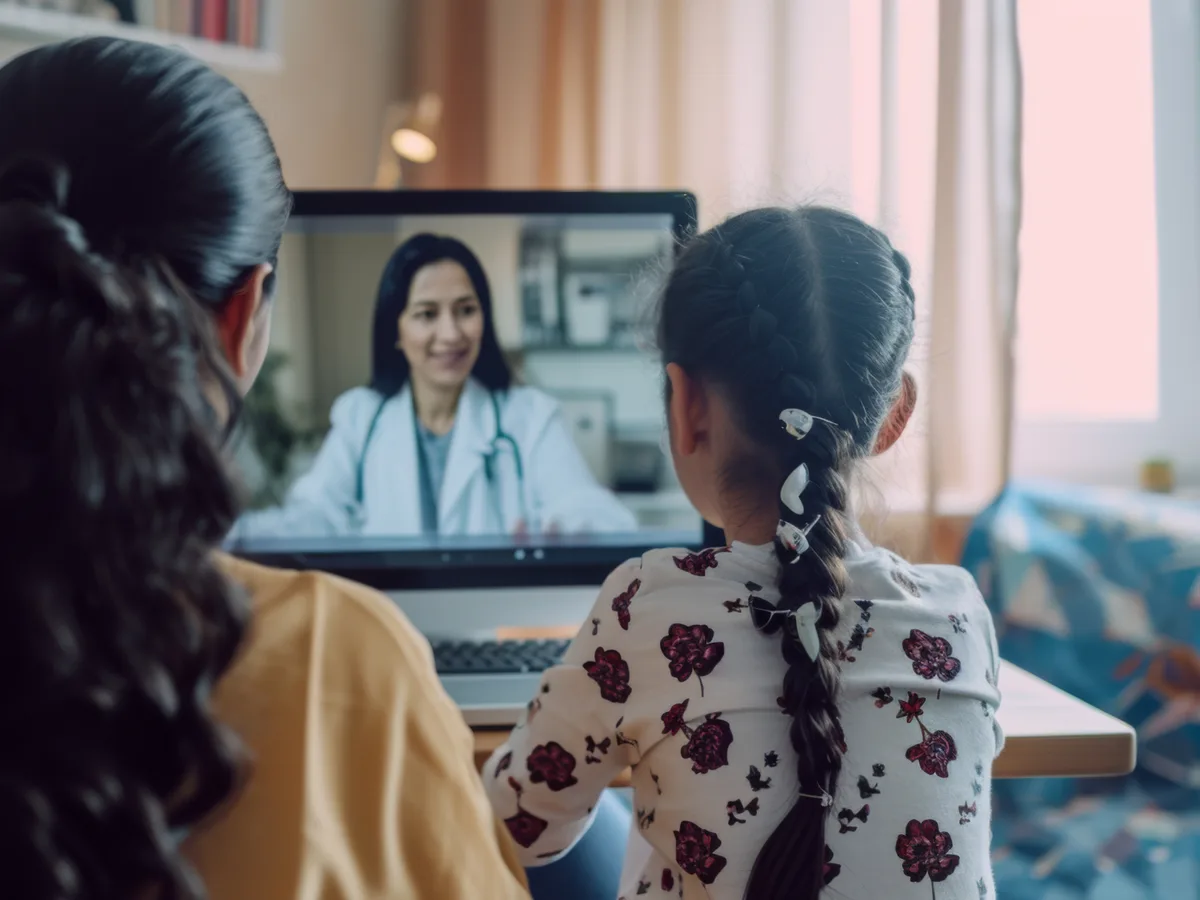
Yes — when it is planned, consistent, compliance-aware, and built to lead viewers toward a single clear booking action, not just views.
Done right, medical video earns attention and trust at the moment patients are choosing a provider — quickly and at scale across the channels they already watch.
Posting clips is easy. Turning them into booked appointments — safely and within the rules of a regulated field — is where strategy, production, and compliance matter most.
According to the Pew Research Center, roughly 72% of internet users say they have looked online for health information in the past year, and a large share research a specific condition, treatment, or provider before deciding who to see. Video has become a primary format in that research, because it lets people evaluate a physician's expertise and demeanour quickly.
This is why video marketing for doctors converts when it is built well: it meets prospective patients exactly where they are already searching, answers their questions, and supplies the trust signals that turn a watcher into a booked appointment.
"The most common health topics people search online are specific diseases or conditions and specific treatments or procedures. For many, the internet is the first place they turn before contacting a clinician."

Select a part of your video marketing below to see where a quick DIY approach is fine and where professional, compliance-aware production earns its keep.
Key Pattern: In every function, quick clips win on speed and authenticity. Professional production wins on conversion, compliance, accuracy, and being found.
Spontaneous clips and carefully produced videos are not in competition. Together they create a video presence that is both human and high-converting.
The strongest video marketing for doctors comes from both sides in balance.
The gap between simply posting videos and running a real video strategy is not cosmetic. It directly affects how many viewers actually book, whether your videos are ever found in search, and whether your content stays on the right side of healthcare compliance.
Vigorant Website Design & CRO →Each of these risks requires specific human judgment to prevent. In a regulated field, they are active compliance and patient-trust concerns — not hypotheticals.

The practices converting viewers into patients in 2026 have rejected the false choice between casual and polished. They use both — quick authentic video inside a planned, compliant strategy.
"People want to learn before they decide. Educational, trustworthy content meets patients in that research moment — and the providers who show up there earn the relationship before the first visit."

One of the most significant shifts in patient behaviour over the last 18 months is the movement of initial provider research from conventional Google results to AI-generated answers — and increasingly to video itself as a search surface.
Patients now ask ChatGPT, Google Gemini, Perplexity, Microsoft Copilot, and Claude for healthcare provider recommendations. Whether your videos help your practice appear in those answers depends on how well your content is transcribed, captioned, structured, and credentialed — not just on how good the footage looks.
The practices winning with video in 2026 pair authentic, in-the-moment clips with planned, compliance-reviewed cornerstone videos — not one or the other.
For dental, medical, and chiropractic practices, the stakes are higher than for general businesses. Your video marketing operates in a regulated environment where patient privacy, clinical accuracy, and authentic trust are foundational — not optional.
Vigorant is a healthcare-exclusive growth marketing agency. We build video strategies — scripted, compliant, and conversion-focused — for practices that want measurable patient growth, not just views.
Practical answers for dental, medical, and chiropractic practice owners on video marketing, compliance, production, and turning views into booked patients.
Video lets prospective patients see and hear a physician before they ever book, which builds trust faster than text alone. Patients can absorb your message passively by watching rather than reading, and a short clip can demonstrate a procedure, explain a condition, or introduce your team in seconds. Because most patients research providers online before choosing one, well-produced video gives your practice a credibility and recognition advantage at the exact moment people are deciding who to trust with their care.
Platform choice depends on video length, content type, and your target patient. Short-form vertical video (TikTok, Instagram Reels, YouTube Shorts) works well for quick tips and reach; longer educational and testimonial videos belong on YouTube and your own website, where they support SEO and conversion. A strong approach is to create one quality video and adapt it for each platform — repurposing a YouTube explainer into Reels, a Facebook post, and an embedded website video — so a single production reaches patients wherever they search.
Consistency matters more than volume. A predictable posting schedule signals credibility, because audiences trust sources that update regularly. For most practices, one to four planned videos per month — supplemented by occasional unplanned, in-the-moment clips — is realistic and sustainable. The goal is a steady stream of value over time rather than a burst of activity followed by silence, which erodes the trust you are trying to build.
Patient stories can be powerful, but any video featuring a real patient or any protected health information requires that patient's explicit, written authorization before filming and publishing. You cannot disclose that someone is your patient, show their records, or share treatment details without consent. Work with documented HIPAA-aware release forms, store consent records, and never imply guaranteed outcomes. When in doubt, have a qualified team review the footage before it goes live.
The highest-converting medical videos balance education and connection: tutorials and tips that answer real patient concerns, authentic patient-journey stories shared with consent, physician introductions that show personality and credibility, and answers to the questions your audience actually asks. Purely promotional videos convert poorly; balance is the key. Every video should end with a clear, single next step — book an appointment, call, or visit a specific landing page — so attention turns into action.
Smartphone-shot, in-the-moment clips have a place and can feel authentic, but practices that rely on video as a patient-acquisition channel benefit from professional production: scripting, lighting, captions, accessibility, compliance review, SEO-ready hosting, and conversion-focused calls to action. The most cost-effective model is usually a hybrid — quick authentic clips from the practice combined with strategically produced, compliance-reviewed cornerstone videos from a healthcare marketing specialist.
Track engagement signals — watch time, view counts, shares, likes, comments, and replies — to understand reach and resonance, then connect those to business outcomes like website visits, form fills, calls, and booked appointments. Watch time and audience retention tell you whether the content holds attention; conversion tracking tells you whether it drives patients. Review the data regularly and let it shape your next videos rather than guessing.
Video supports both traditional SEO and AI-driven answer engines. Transcripts, captions, structured VideoObject schema, and descriptive titles help Google index your content and surface it in video results and AI Overviews. When patients ask ChatGPT, Google Gemini, Perplexity, Microsoft Copilot, or Claude for provider recommendations, well-structured, credentialed video content embedded in authoritative pages improves the odds your practice is cited. Optimised video is now part of how you get found, not just how you get watched.