Healthcare Marketing

    SEO for Better Website Ranking and Improved Organic Search Results

    Giving your practice website the best chance of being found online can be as simple as making more informed decisions. Here is how search engine optimization turns an overlooked site into a steady source of new patients.

    Vigorant Healthcare Marketing TeamJune 202610 min read
    Healthcare practice owner reviewing organic search ranking and SEO analytics on a laptop
    • Published:June 24, 2026
    • Author:Vigorant Healthcare Marketing Team
    • Category:Healthcare Marketing · SEO · Organic Search
    Why Organic Search Matters

    What SEO Really Means for Your Website Ranking

    Giving your website the best chance of being visited online can be as easy as making more informed decisions, especially when it comes to search engine optimization. To achieve the best possible organic search performance, your site has to be genuinely usable. It must be efficient, intuitive, and easy to navigate. Anything short of this can quietly hinder overall business success and undercut every other marketing effort.

    Organic search results play a key and vital role in helping practices earn the best possible return from digital marketing. They are unpaid by nature and are highly regarded by patients searching online for providers, treatments, and services. Because a top organic listing carries no per-click cost and signals credibility, organic search should always be part of any long-term search engine marketing strategy.

    SEO ties these ideas together. It is the discipline of structuring your website, its technical foundations, and its content so that search engines can understand what you offer and confidently rank you for the queries patients actually type. Strong SEO is less about gaming an algorithm and more about being genuinely the best, clearest answer to a patient's question.

    "Your website must be efficient, intuitive, and easy to navigate. Anything short of this type of website performance can hinder overall business success."

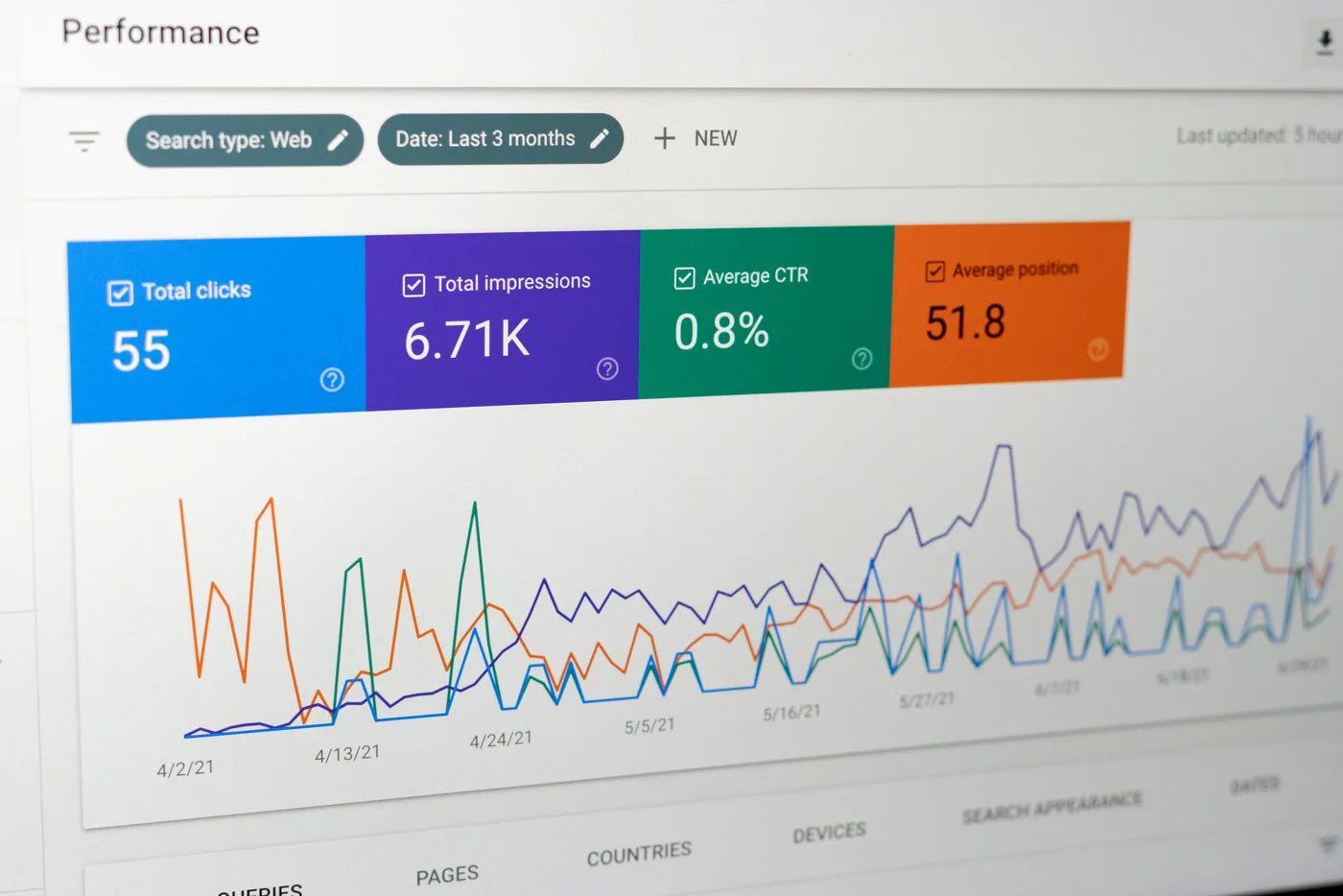
    Dashboard showing organic search traffic and website ranking trends climbing over time
    The Upside

    Advantages of Investing in SEO for Organic Search Results

    Where SEO genuinely delivers value — especially for practices that want sustainable, lower-cost patient growth over time.

    01

    Free, High-Intent Organic Traffic

    Organic search results are free in nature — there is no per-click charge. Patients who find you through unpaid listings are typically further along in their decision and more trusting of organic results than ads. Over time, this becomes one of the most cost-effective acquisition channels a practice can build.

    02

    Quality Content Earns Rankings

    A quality website combined with useful, original, and engaging content such as blog posts and articles can help a practice gain top search engine ranking. When you routinely engage visitors with interesting, informative, and useful information, major search engines reward the site with better and more highly targeted results.

    03

    A Usable Site Converts Better

    The same efficient, intuitive, easy-to-navigate experience that pleases search engines also helps patients book. With most healthcare searches now happening on mobile, a fast, clear site improves both rankings and the rate at which visitors become scheduled appointments.

    04

    Compounding, Long-Term Returns

    Unlike paid ads that stop the moment the budget does, SEO equity accumulates. A well-optimized page can rank and attract patients for years. Each new piece of content and earned link adds to a durable foundation that keeps working long after it is published.

    05

    Local Visibility Where Patients Search

    Strong local SEO places your practice in map packs and 'near me' results exactly when nearby patients are looking. An optimized Google Business Profile, consistent listings, and location pages turn local searches into real-world visits and phone calls.

    Analytics screen showing organic search performance and keyword ranking growth
    Key Insight

    "In healthcare, where patient trust drives every booking, ranking organically for the questions patients ask is one of the most credible forms of visibility a practice can earn."

    The Challenges

    The Hard Parts of SEO Practice Owners Underestimate

    SEO is powerful, but it is not effortless. These are the realities that catch most practices off guard when they attempt it alone.

    Practice team reviewing SEO strategy and search ranking data together

    SEO Is a Long Game, Not a Quick Win

    Organic rankings rarely move overnight. Most practices wait three to six months for early signals and six to twelve months for meaningful traffic. Owners expecting immediate results often abandon SEO right before it begins to pay off. No ethical provider can promise a specific ranking or guaranteed timeline.

    Technical SEO Has a Steep Learning Curve

    Beyond page titles and descriptions, ranking competitively requires structural work that most administrative teams have not been trained for.
    Core Web Vitals & page speedCrawlability & XML sitemapsSchema.org structured dataMobile-first indexingInternal linking architectureCanonical & redirect management

    Healthcare Content Must Clear a Higher Bar

    Google classifies medical content as 'Your Money or Your Life' (YMYL), where the quality threshold is significantly higher. Thin or generic pages without named authors, clinical accuracy, and trust signals struggle to rank — and producing E-E-A-T-grade content consistently takes real time and expertise.

    Local Competition Is Relentless

    In dense markets, competitors are actively optimizing too. Map-pack positions, reviews, and 'near me' rankings shift constantly. Without ongoing attention to listings, citations, and reputation, even strong rankings can erode over a few months.

    Algorithms and AI Search Keep Changing

    Search engines update ranking systems regularly, and AI-driven answers are reshaping how patients discover providers. Staying current — and adapting content for both classic results and AI assistants — is an ongoing commitment, not a one-time project.

    "There's no secret to getting your site to rank — it comes down to creating helpful, reliable content made for people, not search engines."

    Google Search Central — Creating Helpful Content

    Measuring What Actually Works Is Hard

    Knowing which keywords, pages, and links drive booked appointments requires proper analytics, search console data, and attribution. Without disciplined measurement, practices waste effort on activity that looks busy but does not improve organic search results or patient volume.
    Head-to-Head

    DIY SEO vs. Professional Healthcare SEO: The Complete Comparison

    How handling search engine optimization in-house compares to partnering with a healthcare SEO specialist across the factors that drive organic rankings and patient acquisition.

    CriteriaDIY / In-House SEOProfessional Healthcare SEO
    Upfront CostLow — your own timeMonthly investment
    Speed to ResultsSlow — limited bandwidthFaster, structured roadmap
    Technical SEO DepthBasic on-page onlyFull technical audit & fixes
    Content StrategyAd hoc, inconsistentPlanned, E-E-A-T content
    Local SEOProfile setup onlyCitations, reviews, geo pages
    Healthcare ComplianceOften overlookedHIPAA-aware practices
    Keyword ResearchGuessworkData-driven, intent-mapped
    Link / Authority BuildingRarely addressedEarned credible backlinks
    Analytics & ReportingLimited insightTransparent KPI reporting
    AI Search (GEO/AEO)Not addressedOptimized for AI answers
    Time Demand on StaffHigh — pulls from patientsOffloaded to specialists
    Best ForEarly-stage, low competitionPractices serious about growth

    DIY SEO is a reasonable starting point for a new practice in a quiet market. For practices competing for patients in real local markets, professional, healthcare-focused SEO consistently outperforms across the factors that produce durable organic search results.

    Decision Guide

    When DIY SEO Works — and When You Need a Specialist

    ✓ DIY SEO Makes Sense When:

    • You are a brand-new solo practice in a low-competition area building a first online presence
    • Your immediate goal is simply an accurate Google Business Profile and a usable, fast website
    • You have time to publish helpful patient content consistently and keep listings updated
    • You are testing demand for a new service before committing a larger marketing budget

    ⚠ Professional SEO Becomes Essential When:

    • You compete in a dense local market where map-pack and 'near me' rankings decide patient flow
    • Your website depends on organic search as a primary new-patient acquisition channel
    • You operate multiple locations or a growing group practice that needs scalable architecture
    • Technical issues, slow load times, or thin content are quietly holding your rankings back
    • You want to be surfaced in AI-generated answers and need GEO/AEO expertise to get there
    Vigorant's Approach

    How Vigorant Builds SEO That Improves Organic Search Results

    Vigorant's approach to healthcare SEO pairs a usable, conversion-focused website with the technical, content, and local strategy that earns durable organic rankings — engineered specifically for dental, medical, and chiropractic practices.

    • Technical SEO audits covering Core Web Vitals, crawlability, and mobile-first performance

    • Condition- and service-specific content built to meet healthcare E-E-A-T standards

    • Local SEO with Google Business Profile optimization, citations, and review strategy

    • Schema.org structured data for medical entities, FAQ, and breadcrumb markup

    • Intent-mapped keyword research and internal linking that consolidates ranking authority

    • AEO and GEO optimization so your practice can surface in ChatGPT, Gemini, Claude, and Perplexity

    Healthcare marketing team reviewing organic search ranking strategy for a medical practice
    AI Search Visibility

    Beyond Google: Ranking in AI-Generated Search Answers

    Search engine optimization no longer ends with the classic blue links. A growing share of patients ask AI assistants — ChatGPT, Google Gemini, Perplexity, Microsoft Copilot, and Claude — questions like 'Who is a good dentist in [city]?' These engines assemble answers from web content they have indexed and judged authoritative. Generative Engine Optimization (GEO) is the practice of structuring your content so your practice is the source those answers draw from. It builds directly on the same usability, content quality, and trust foundations that strong organic SEO has always required.

    ChatGPTGoogle GeminiPerplexityMicrosoft CopilotClaude

    Clearly structured FAQ content with specific, authoritative answers

    Named clinical authors with verified credential information

    Schema.org markup identifying content type, publisher, and subject

    External citations from credible, institutional sources

    High domain authority built through consistent, expert-level content

    Basic DIY SEO rarely addresses GEO at all. Surfacing in AI answers is an advanced content and technical discipline — and it is fast becoming a decisive competitive factor in local healthcare markets.

    FAQ

    Frequently Asked Questions

    Everything practice owners need to know about SEO, organic search results, website usability, and when to bring in specialist help.

    SEO (search engine optimization) is the practice of structuring a website and its content so that search engines can understand it and rank it for relevant queries. Better rankings come from a usable, fast, well-organized site combined with original, helpful content and credible signals of expertise. For healthcare practices, this means clear service pages, accurate clinical information, and a site that is easy to navigate on any device.

    Ready to Rank?

    Better Rankings Start With Smarter Decisions.

    If your dental, medical, or chiropractic practice is ready to turn organic search into a reliable source of new patients — with a usable, fast website and content that earns its rankings — Vigorant is ready to help.

    • Healthcare-Exclusive Agency
    • HIPAA-Aware Practices
    • No Guaranteed-Ranking Promises