Healthcare Marketing

    SEO Makes Even Paid Ads Cheaper and More Efficient

    Google prices your paid ads partly on relevance and landing page quality — the exact same signals strong SEO improves. For dental, medical, and chiropractic practices, that connection can quietly cut your cost per click.

    Vigorant Healthcare Marketing TeamJune 202610 min read
    Healthcare practice owner reviewing SEO and paid ad campaign performance on a laptop
    • Published:June 24, 2026
    • Author:Vigorant Healthcare Marketing Team
    • Category:Healthcare Marketing · SEO Strategy · Paid Advertising
    The Hidden Connection

    Why SEO and Paid Ads Are Forever Connected

    Google charges for paid ads based partly on ad ranking, and that ranking has a strong tie to the same relevance and quality signals SEO improves. The connection between SEO and paid advertising should never be ignored when you build a digital marketing strategy for your practice. Simply stated, the two are forever connected and must both be considered to create the best possible end result.

    When a patient searches for a dentist, physician, or chiropractor, Google decides which paid ads to show — and in what order — using Ad Rank. Ad Rank blends your bid with your Quality Score, a measurement of ad relevance, expected click-through rate, and landing page experience. Those last factors are precisely what disciplined SEO is designed to strengthen.

    The practical takeaway is powerful: not only does good SEO generate organic traffic at no per-click cost, it also lowers your overall cost per click and paid advertising expenses. The same fast, relevant, trustworthy pages that climb the organic results make your paid clicks cheaper. Many practices never realize their SEO and PPC budgets are working against — or for — each other.

    "Quality Score is an estimate of the quality of your ads, keywords, and landing pages. Higher quality ads can lead to lower prices and better ad positions."

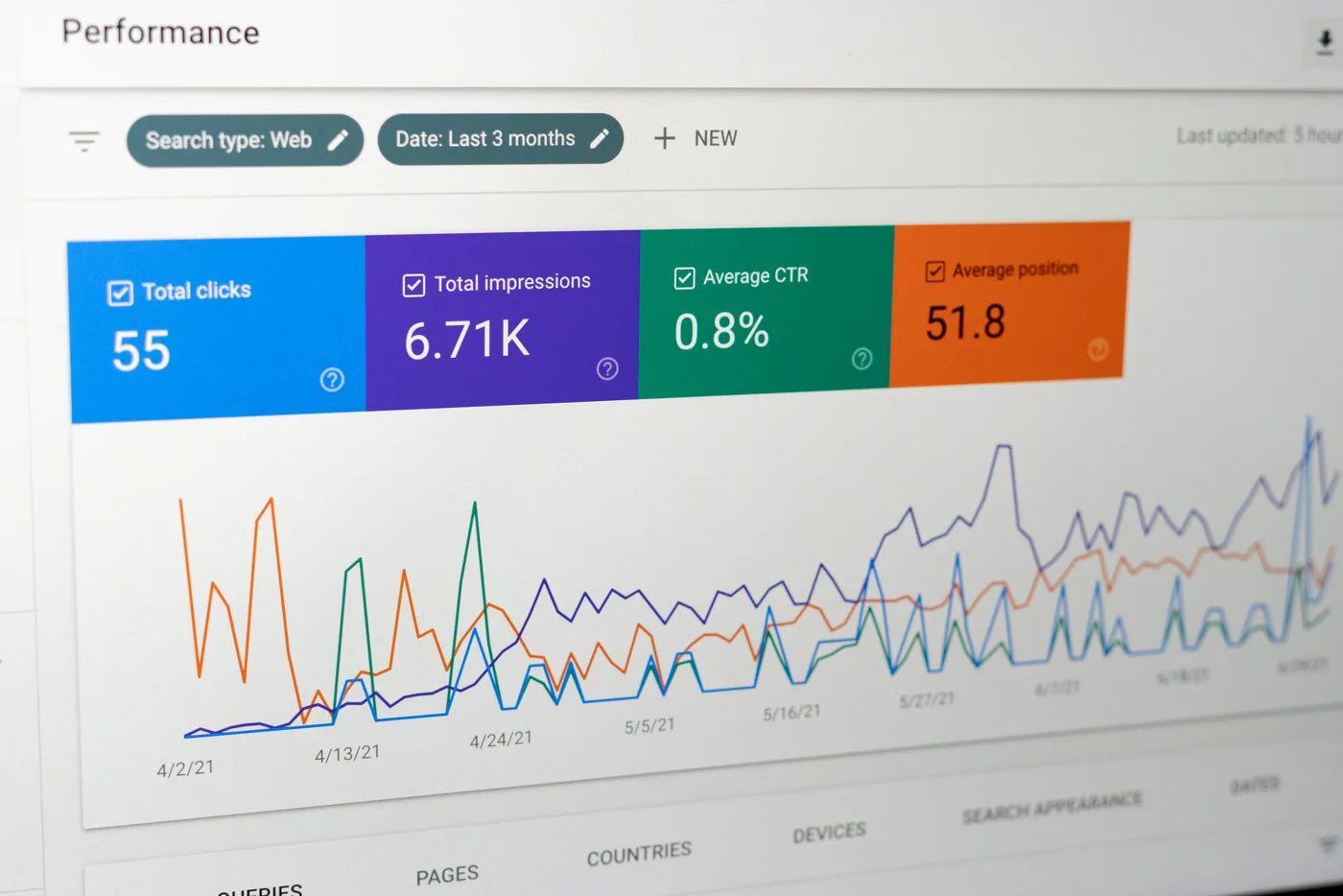
    Analytics dashboard showing organic search and paid ad performance trends
    The Upside

    How SEO Makes Your Paid Ads Cheaper and More Efficient

    Where investing in organic search pays off twice — once in free traffic, and again in lower paid advertising costs.

    01

    Lower Cost Per Click via Quality Score

    Quality Score is shaped by ad relevance, expected click-through rate, and landing page experience. Strong SEO improves all three, which can let your practice win the same ad position at a lower bid. The same page improvements that lift organic rankings also reduce what you pay for each paid click.

    02

    Faster, More Relevant Landing Pages

    SEO demands fast load times, clear relevance, and well-structured content. Google rewards those qualities in both organic rankings and Ad Rank. A page optimized for Core Web Vitals and search intent gives paid traffic a better experience and earns a stronger landing page experience signal.

    03

    Shared Keyword Intelligence

    The keyword research behind your SEO reveals exactly how patients describe their needs — from 'emergency dentist near me' to condition-specific queries. Feeding that intent data into paid campaigns sharpens ad copy, tightens match types, and reduces wasted spend on low-intent clicks.

    04

    Compounding Organic Traffic

    Unlike paid ads, organic visibility does not switch off when the budget pauses. As SEO matures, more demand is captured for free, so you can scale paid spend back on terms you already rank for and redirect budget to the most competitive, high-value keywords.

    05

    Higher Combined Conversion Rate

    Practices that appear in both the organic results and the paid results capture more of the page and reinforce trust. Coordinated SEO and PPC means consistent messaging, fewer wasted impressions, and a higher overall return on every marketing dollar your practice spends.

    Marketing team analyzing search performance and ad spend efficiency on screens
    Key Insight

    "In Google Ads, higher quality ads can lead to lower prices and better ad positions — which means the work you put into SEO quietly subsidizes every paid click you buy."

    The Trade-Offs

    The Limits: Where Relying on Paid Ads Alone Falls Short

    Why a paid-only strategy without SEO leaves money on the table — and where each approach has real constraints practice owners should understand.

    Practice leadership team reviewing marketing budget and campaign costs

    Paid-Only Costs Never Stop Climbing

    Without SEO supporting your Quality Score, you are bidding against competitors purely on budget. In competitive healthcare markets, cost per click for terms like 'cosmetic dentist' or 'orthopedic specialist' can be steep — and every click resets to zero. Paid traffic disappears the moment the budget pauses, which makes a paid-only model fragile and expensive over time.

    SEO Is Slower to Mature

    The flip side is that SEO is not instant. Building topical authority, earning trust signals, and ranking competitively typically takes months, not days. Practices that need patients immediately cannot rely on SEO alone in the short term.
    Three to six months for meaningful ranking gainsRequires consistent content investmentNo guaranteed rankings — everResults compound rather than appear overnight

    Disconnected Teams Waste Budget

    When SEO and PPC are run by separate vendors who never talk, practices lose the cost savings entirely. Paid campaigns send traffic to thin, slow pages that drag down Quality Score, while SEO pages are never used for ad destinations.
    • Shared landing pages optimized for speed and relevance
    • Unified keyword and intent data across both channels
    • HIPAA-aware tracking that avoids leaking patient data to ad platforms
    • Coordinated reporting so spend is judged on blended cost of acquisition

    Poor Landing Pages Penalize Paid Spend

    Google explicitly factors landing page experience into Quality Score. A practice that buys ads but neglects page speed, mobile usability, and content relevance is effectively taxed — paying higher cost per click for weaker positions. Ignoring SEO fundamentals makes the paid channel measurably more expensive than it needs to be.

    Thin Content Hurts Both Channels

    Google classifies healthcare as 'Your Money or Your Life' (YMYL) content, where the quality bar for ranking is higher. Pages that lack genuine clinical expertise, named author credentials, and trustworthy detail struggle organically and provide a weak landing page experience for paid traffic at the same time.

    "For YMYL topics, Google evaluates not just what is on the page, but who wrote it, what qualifications they have, and whether external sources corroborate their expertise."

    Google Search Quality Rater Guidelines

    Compliance Gaps in Tracking and Remarketing

    Combining SEO and paid ads at the page level introduces analytics tags, conversion tracking, and remarketing pixels. For healthcare practices, these tools can inadvertently transmit protected health information to ad platforms if configured carelessly. HIPAA-aware setup, compliant forms, and reviewed vendor agreements are essential before either channel scales.
    Head-to-Head

    Paid Ads Alone vs. SEO-Supported Paid Ads: The Complete Comparison

    How a paid-only strategy compares to an integrated approach where SEO strengthens your paid campaigns, across the criteria that matter most for patient acquisition cost.

    CriteriaPaid Ads AloneSEO-Supported Paid Ads
    Speed to First PatientsImmediate once budget is livePaid is immediate; SEO compounds
    Cost Per Click Over TimeStays high; bid-drivenFalls as Quality Score improves
    Quality ScoreLimited by weak landing pagesLifted by SEO-optimized pages
    Traffic After Budget PausesDrops to zero instantlyOrganic traffic continues
    Landing Page ExperienceOften neglectedEngineered for speed & relevance
    Keyword IntelligencePaid data onlyShared organic + paid intent data
    Long-Term Cost of AcquisitionFlat or risingDeclines as organic share grows
    SERP CoveragePaid slots onlyPaid plus organic presence
    Trust & CredibilityAd-only; lower trustReinforced by organic authority
    Resilience to CompetitionVulnerable to bid warsDefended by ranking moat
    Time to Full ROIFast but plateausSlower start, higher ceiling
    Best ForShort-term, urgent demandSustainable practice growth

    Paid ads alone can fill the schedule quickly, but the cost rarely improves on its own. When SEO strengthens the same pages your ads point to, Quality Score rises, cost per click falls, and your blended cost of acquisition trends downward — the integrated model consistently wins on the dimensions that drive long-term patient growth.

    Decision Guide

    When to Lean on Paid Ads — and When SEO Becomes Essential

    ✓ Paid Ads Lead the Way When:

    • You are opening a new location and need patients in the schedule this month
    • You are launching a new service line and want immediate, controllable visibility
    • You face seasonal demand spikes that need fast, on-and-off coverage
    • You are testing messaging or offers before committing to long-term content investment

    ⚠ SEO Becomes Essential When:

    • Your cost per click keeps climbing and paid spend no longer scales profitably
    • You compete in a dense local market where organic authority decides who patients trust
    • You want traffic that keeps working after the ad budget is paused
    • Your landing pages are dragging down Quality Score and inflating every paid click
    • You want to lower your blended cost of patient acquisition over the next 6 to 12 months
    Vigorant's Approach

    How Vigorant Aligns SEO and Paid Ads to Cut Your Cost Per Click

    Vigorant treats SEO and paid advertising as one connected system rather than two siloed line items. By optimizing the same pages for organic ranking and Quality Score, we help dental, medical, and chiropractic practices lower their blended cost of acquisition while keeping the schedule full.

    • Landing pages engineered for both organic ranking and high Quality Score

    • Core Web Vitals and page-speed optimization that improves landing page experience

    • Shared keyword and patient-intent research feeding both SEO and paid campaigns

    • HIPAA-aware tracking and conversion setup reviewed before any campaign launches

    • Condition-specific content and local SEO that builds organic authority over time

    • Transparent reporting on blended cost of acquisition across organic and paid channels

    Healthcare marketing team aligning SEO and paid advertising strategy
    AI Search Visibility

    The GEO / AIO Factor: SEO Now Powers Visibility in AI Search Too

    The same content quality that lowers your paid ad costs also determines whether your practice appears in AI-generated answers. Generative Engine Optimization (GEO) structures your content so that AI search tools surface your practice when a prospective patient asks ChatGPT, Google Gemini, Claude, Perplexity, or Microsoft Copilot 'Who is the best dentist in [city]?' These assistants assemble answers from web content they have indexed and judged authoritative — the very pages your SEO investment strengthens. Paid ads cannot buy a place in an AI-generated answer; only strong, structured content earns it.

    ChatGPTGoogle GeminiPerplexityMicrosoft CopilotClaude

    Clearly structured FAQ content with specific, authoritative answers

    Named clinical authors with verified credential information

    Schema.org markup identifying content type, publisher, and subject

    External citations from credible, institutional sources

    High domain authority built through consistent expert-level content

    A paid-only strategy is invisible to AI search. The SEO work that lowers your cost per click is the same work that earns your practice a place in AI-generated answers — increasingly a decisive competitive factor in healthcare markets.

    FAQ

    Frequently Asked Questions

    Everything healthcare practice owners ask about how SEO lowers paid ad costs, the trade-offs of each channel, and how to combine them efficiently.

    SEO improves the landing page experience, relevance, and content quality that Google uses to calculate Quality Score. A higher Quality Score lowers the cost per click required to win the same ad position, so the same SEO work that helps you rank organically also reduces what you pay per paid click. The two channels share the same underlying signals of relevance and trust.

    Ready to Grow?

    Stop Overpaying for Clicks. Let SEO Do the Heavy Lifting.

    If your dental, medical, or chiropractic practice is spending more on paid ads than it should, Vigorant can align your SEO and paid campaigns to lower your cost per click and build traffic that keeps working long after the budget pauses.

    • HIPAA-Aware Architecture
    • Healthcare-Exclusive Agency
    • Conversion-First Strategy