
Does Influencer Marketing Actually Work?
Does influencer marketing work for medical, dental, and chiropractic practices? What it delivers, what it can't fix alone, and how to run it compliantly.
June 24, 202611 min read
Read article 
Bigger is not always better in influencer marketing. Brands that partner with focused, niche micro-influencers consistently see higher engagement, stronger trust, and better conversion rates than those chasing celebrity follower counts.
Micro-influencer marketing has become one of the most effective and cost-efficient strategies in modern digital marketing. While many businesses assume that partnering with the largest possible influencer guarantees the best results, the data consistently tells a different story. Micro-influencers, creators with focused, niche audiences, generate higher engagement rates, stronger audience trust, and more authentic promotional content than their macro counterparts.
According to research by Markerly, engagement rates on Instagram decline sharply as follower counts grow. Accounts with fewer than 1,000 followers generate approximately 8% like rates, while accounts with over 1 million followers produce only around 1.7%. For brands seeking real conversions, not just impressions, this difference is decisive. Micro-influencers are not a compromise; they are a strategic advantage.
"Any material connection between a brand and an influencer, including payment, free products, or other compensation, must be clearly and conspicuously disclosed to the audience. This applies regardless of follower count."
Federal Trade Commission, Disclosures 101 for Social Media Influencers
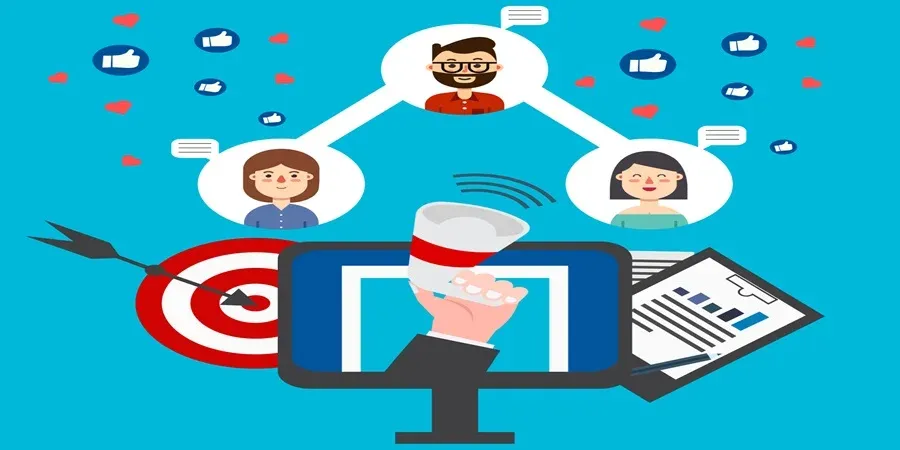

Each of these strategies is in active use by brands successfully leveraging micro-influencer partnerships today.
Every effective micro-influencer campaign begins with a clearly defined objective. Before approaching any creator, determine what you want to achieve: increased brand awareness, higher website traffic, more qualified leads, greater social media engagement, or direct product sales. Your campaign goal shapes every subsequent decision, which influencers to approach, what content to request, which platforms to prioritise, and how to measure success. Without a defined goal, even the best micro-influencer partnership will produce unfocused results.
Set SMART goals, Specific, Measurable, Achievable, Relevant, and Time-bound, before initiating any influencer outreach.


Finding the right micro-influencer is more important than finding the most popular one. Start by searching relevant hashtags on Instagram, TikTok, and YouTube to identify creators already producing content in your niche. Conduct competitor research to see which influencers are promoting similar brands. Tools such as BuzzSumo, Upfluence, and Heepsy can help you filter candidates by niche, engagement rate, audience demographics, and location. Prioritise engagement rate over raw follower count, a creator with 6,000 highly engaged followers in your target market will outperform one with 60,000 passive followers every time.
Before committing to a partnership, evaluate whether the micro-influencer's audience genuinely matches your target customer. Review their follower demographics, the types of products and services they have previously promoted, and the quality of their audience interactions. Authentic micro-influencers respond to comments, engage in real conversations, and maintain a consistent content voice. Be cautious of accounts with disproportionately low engagement relative to follower count, which may indicate purchased followers or inactive audiences. Authenticity is the foundation of micro-influencer marketing effectiveness.
Request audience insight screenshots or use third-party analytics tools to verify follower authenticity before signing any partnership agreement.


Micro-influencer partnerships work best when they feel like genuine collaborations rather than transactional advertising arrangements. After identifying your ideal candidates, reach out with a personalised message that demonstrates you have actually engaged with their content. Communicate your campaign goals clearly and ask how they believe they can add value to your brand through the collaboration. Establish clear expectations around deliverables, timelines, compensation, and disclosure requirements. Brands that invest in building real relationships with micro-influencers consistently achieve better content quality and stronger audience response.
The most common mistake brands make in micro-influencer marketing is over-scripting the content. Micro-influencers are effective precisely because their audience trusts their authentic voice, and that trust evaporates the moment content feels like a corporate advertisement. Provide clear brand guidelines and key messages, but give creators the freedom to integrate your product or service in a way that feels natural to their content style. Whether it is a genuine product review, a tutorial, a lifestyle integration, or a personal testimonial, authentic content consistently outperforms polished sponsored ads in engagement and conversion.
Explore Vigorant's Web Design Service →

Micro-influencers hold disproportionate recommendation power relative to their audience size. Research by Experticity found that micro-influencers generate 22.2 times more purchase-related conversations than average consumers, and approximately 82% of consumers report being more likely to act on a recommendation from a micro-influencer they follow. This recommendation power translates directly into measurable business outcomes, increased website visits, higher add-to-cart rates, and stronger sales conversion, particularly when influencers share unique discount codes or trackable affiliate links that make attribution straightforward.
Ongoing measurement is what separates a one-off influencer experiment from a scalable, high-performing marketing channel. Track engagement rate, reach, impressions, click-through rate, website traffic from influencer links, and direct conversions attributed to each campaign. Use UTM parameters in all shared links and assign unique promo codes to each influencer to enable accurate attribution. Analyse which creators, content formats, and platforms deliver the strongest results for your specific goals, and use those insights to refine your influencer selection and briefing process for future campaigns. Consistent tracking compounds your results over time.

Every effective micro-influencer campaign begins with a clearly defined objective. Before approaching any creator, determine what you want to achieve: increased brand awareness, higher website traffic, more qualified leads, greater social media engagement, or direct product sales. Your campaign goal shapes every subsequent decision, which influencers to approach, what content to request, which platforms to prioritise, and how to measure success. Without a defined goal, even the best micro-influencer partnership will produce unfocused results.
Set SMART goals, Specific, Measurable, Achievable, Relevant, and Time-bound, before initiating any influencer outreach.
Finding the right micro-influencer is more important than finding the most popular one. Start by searching relevant hashtags on Instagram, TikTok, and YouTube to identify creators already producing content in your niche. Conduct competitor research to see which influencers are promoting similar brands. Tools such as BuzzSumo, Upfluence, and Heepsy can help you filter candidates by niche, engagement rate, audience demographics, and location. Prioritise engagement rate over raw follower count, a creator with 6,000 highly engaged followers in your target market will outperform one with 60,000 passive followers every time.
Before committing to a partnership, evaluate whether the micro-influencer's audience genuinely matches your target customer. Review their follower demographics, the types of products and services they have previously promoted, and the quality of their audience interactions. Authentic micro-influencers respond to comments, engage in real conversations, and maintain a consistent content voice. Be cautious of accounts with disproportionately low engagement relative to follower count, which may indicate purchased followers or inactive audiences. Authenticity is the foundation of micro-influencer marketing effectiveness.
Request audience insight screenshots or use third-party analytics tools to verify follower authenticity before signing any partnership agreement.
Micro-influencer partnerships work best when they feel like genuine collaborations rather than transactional advertising arrangements. After identifying your ideal candidates, reach out with a personalised message that demonstrates you have actually engaged with their content. Communicate your campaign goals clearly and ask how they believe they can add value to your brand through the collaboration. Establish clear expectations around deliverables, timelines, compensation, and disclosure requirements. Brands that invest in building real relationships with micro-influencers consistently achieve better content quality and stronger audience response.
The most common mistake brands make in micro-influencer marketing is over-scripting the content. Micro-influencers are effective precisely because their audience trusts their authentic voice, and that trust evaporates the moment content feels like a corporate advertisement. Provide clear brand guidelines and key messages, but give creators the freedom to integrate your product or service in a way that feels natural to their content style. Whether it is a genuine product review, a tutorial, a lifestyle integration, or a personal testimonial, authentic content consistently outperforms polished sponsored ads in engagement and conversion.
Explore Vigorant's Web Design Service →Micro-influencers hold disproportionate recommendation power relative to their audience size. Research by Experticity found that micro-influencers generate 22.2 times more purchase-related conversations than average consumers, and approximately 82% of consumers report being more likely to act on a recommendation from a micro-influencer they follow. This recommendation power translates directly into measurable business outcomes, increased website visits, higher add-to-cart rates, and stronger sales conversion, particularly when influencers share unique discount codes or trackable affiliate links that make attribution straightforward.
Ongoing measurement is what separates a one-off influencer experiment from a scalable, high-performing marketing channel. Track engagement rate, reach, impressions, click-through rate, website traffic from influencer links, and direct conversions attributed to each campaign. Use UTM parameters in all shared links and assign unique promo codes to each influencer to enable accurate attribution. Analyse which creators, content formats, and platforms deliver the strongest results for your specific goals, and use those insights to refine your influencer selection and briefing process for future campaigns. Consistent tracking compounds your results over time.
"Any material connection between a brand and an influencer must be clearly and conspicuously disclosed, regardless of follower count, platform, or content format. Transparency is not optional; it is the foundation of consumer trust."
For the full FTC guidance on influencer disclosure requirements, see the official resource linked in the footer of this page.
See how partnering with micro-influencers changes every dimension of your influencer marketing strategy compared to working with large-following accounts.
Hover or tap each card to flip
1–2% average on 1M+ accounts
6–8% average on niche accounts
Broad, general demographic reach
Niche, highly specific community
Polished, often over-produced ads
Genuine, relatable, trust-building content
High cost per post or campaign
Accessible budget, scalable partnerships
Lower, audience sees many brand deals
Higher, personal, credible recommendations
Passive brand exposure
22x more purchase conversations driven
Limited, high demand, long lead times
Accessible, multiple partners simultaneously
Lower, broad audience, less intent
Higher, targeted audience, stronger trust
Risk of misalignment across many brands
Deep niche alignment with your product
Rigid contracts, limited creative input
Collaborative, agile, creator-led content
Difficult to attribute conversions directly
Trackable via codes, UTMs, and affiliate links
Micro-influencers are not a budget compromise, they are a strategic choice. Their niche authority, authentic audience relationships, and measurable recommendation power make them one of the highest-ROI channels available to brands of any size. The businesses winning in social media marketing today are combining micro-influencer partnerships with a strong digital presence and conversion-optimised website.
Understanding these boundaries helps brands invest in micro-influencer partnerships with clear, achievable expectations and avoid common pitfalls.
Micro-influencer campaigns amplify your brand, they do not build it from scratch. If your website is slow, your messaging is unclear, or your product experience is inconsistent, influencer traffic will not convert. A strong digital presence, clear value proposition, and conversion-optimised website are prerequisites for influencer marketing success.
Influencer marketing builds trust and awareness over time. While some campaigns produce immediate conversion spikes, especially with discount codes, most micro-influencer partnerships contribute to a longer customer journey. Brands expecting overnight sales from a single post will be disappointed. Sustained, multi-influencer campaigns deliver compounding results.
Even the most trusted micro-influencer cannot force their audience to buy. Conversion depends on the quality of your offer, the relevance of your product to their audience, the strength of your landing page, and the clarity of your call to action. Influencer content drives traffic and intent, your brand experience closes the sale.
Micro-influencer marketing is a powerful channel, but it works best as part of a broader digital marketing strategy that includes SEO, paid advertising, email marketing, and a high-converting website. Relying solely on influencer partnerships without supporting channels limits your reach, resilience, and long-term growth potential.
"Consumers are more likely to follow a recommendation from a micro-influencer they trust than from a celebrity they admire, because trust, not fame, drives purchasing decisions."
Micro-influencer marketing is not one-size-fits-all. Different platforms attract different audience behaviours, content formats, and engagement patterns. Choosing the right platform for your campaign, based on where your target audience spends time and what content format best showcases your product or service, is as important as choosing the right influencer.
The influencer's followers closely match your target customer profile in interests, demographics, and intent
Real, organic interactions, not purchased followers or bot-generated engagement metrics
Sponsored content clearly labelled in compliance with FTC guidelines to maintain audience trust
UTM parameters and unique promo codes enabling accurate conversion and ROI measurement
Authentic content that reflects the creator's voice while staying true to your brand values
A fast, mobile-optimised destination page that converts the traffic micro-influencers send your way

Vigorant is a digital marketing agency helping brands grow through social media strategy, influencer campaign planning, SEO, and conversion-optimised website design. Micro-influencer marketing drives traffic, but your website is where that traffic becomes revenue. We build the digital foundation that makes every influencer partnership more profitable.
Custom website design engineered for conversion and brand credibility
Social media marketing strategy aligned with your influencer campaigns
SEO and content marketing to amplify influencer-driven brand awareness
Landing page design and CRO to maximise influencer traffic conversion
Analytics and attribution setup for accurate influencer ROI measurement
Full digital marketing strategy integrating influencer, SEO, and paid channels
Everything brands and businesses need to know about micro-influencer marketing, campaign strategy, and choosing the right influencer partners.
A micro-influencer is a social media content creator with a follower count typically ranging from 1,000 to 100,000, though many marketers define the sweet spot as 1,000 to 10,000 followers. Unlike celebrity or macro-influencers, micro-influencers focus on a specific niche, fitness, food, parenting, local lifestyle, or a professional field, and maintain a highly engaged, loyal audience that trusts their recommendations. Their smaller but more targeted following makes them particularly effective for brands seeking authentic engagement and measurable conversions.
Micro-influencers tend to have stronger personal connections with their audiences because they interact more directly, replying to comments, answering direct messages, and engaging in genuine conversations. Research by Markerly found that Instagram accounts with fewer than 1,000 followers generate approximately 8% like rates, while accounts with over 1 million followers generate only around 1.7%. As follower counts grow, the relationship between creator and audience becomes more passive, reducing the trust and responsiveness that drive engagement and conversions.
Yes. Micro-influencers typically charge significantly less per post than macro-influencers or celebrities, making them accessible to businesses of all sizes. More importantly, their higher engagement rates and more targeted audiences often produce a better return on investment per dollar spent. Brands can also partner with multiple micro-influencers simultaneously for the cost of a single macro-influencer campaign, diversifying reach across several niche communities and reducing campaign risk.
Start by identifying influencers who already create content in your niche or industry. You can search relevant hashtags on Instagram, TikTok, or YouTube, conduct competitor research to see who is promoting similar brands, or use influencer discovery tools such as BuzzSumo, Upfluence, or Heepsy. When evaluating candidates, prioritise engagement rate over follower count, assess whether their audience demographics match your target customer, review the authenticity and quality of their content, and check that their values align with your brand.
The most effective micro-influencer content is authentic and native to the creator's existing style, not scripted advertising. Give micro-influencers creative freedom to feature your product or service in a way that feels natural to their audience. This might include honest product reviews, day-in-the-life integrations, tutorial or how-to content, unboxing videos, or personal testimonials. Avoid overly polished, corporate-looking content, as it reduces the authenticity that makes micro-influencer marketing effective. Always ensure sponsored content is clearly disclosed in compliance with FTC guidelines.
Key metrics to track include engagement rate (likes, comments, shares, and saves), reach and impressions, click-through rate on any links shared, website traffic attributed to the campaign, conversion rate and sales generated, and follower growth on your own brand accounts. Use UTM parameters and unique discount codes to accurately attribute traffic and conversions to specific influencers. Tracking these metrics across campaigns allows you to identify your highest-performing partners and refine your strategy over time.
Absolutely. Micro-influencer marketing is highly effective for service-based businesses, including healthcare practices, legal firms, fitness studios, restaurants, and professional services. Local micro-influencers with geographically concentrated audiences are especially valuable for businesses that serve a specific city or region. A local food blogger, fitness enthusiast, or lifestyle creator with 5,000 engaged local followers can drive more qualified leads to a service business than a national macro-influencer with a diffuse, non-local audience.
The Federal Trade Commission (FTC) requires that any material connection between a brand and an influencer, including payment, free products, or other compensation, must be clearly and conspicuously disclosed to the audience. This applies to micro-influencers just as it does to celebrities. Disclosures must be placed where viewers will notice them, not buried in hashtags or below a 'more' fold. Common compliant formats include '#ad', '#sponsored', or 'Paid partnership with [Brand]' clearly visible at the start of a post or video. Brands are responsible for ensuring their influencer partners comply.
Vigorant is a digital marketing agency helping businesses grow through social media strategy, influencer campaign planning, SEO, and conversion-optimised website design. We build the digital foundation that makes every micro-influencer partnership more profitable, from the first click to the final conversion.
Does influencer marketing work for medical, dental, and chiropractic practices? What it delivers, what it can't fix alone, and how to run it compliantly.
Discover proven strategies to convert social media followers into paying customers. Vigorant breaks down audience research, content strategy, influencer marketing, paid ads, and more, so your business turns engagement into real revenue.
Discover how dental practices use social media marketing to attract more patients, build trust, and grow faster. Vigorant explains exactly which platforms, strategies, and content types deliver real results for dentists.