Yes — for local awareness and trust. But traditional channels only pay off when a conversion-ready website and local digital presence turn that attention into booked patients.
Old-school channels like billboards, radio, TV, and print still earn their place in a chiropractic plan by building familiarity and trust in your local community.
The tasks that turn awareness into a booked appointment — and let you measure what's working — live almost entirely in your website and local digital presence.
Traditional channels still shape how a community perceives a chiropractic practice, but the path from awareness to a booked appointment runs through the internet. According to BrightLocal's Local Consumer Review Survey, the overwhelming majority of consumers research local businesses online before choosing one — and a large share read multiple reviews before they trust a healthcare provider with their care.
That doesn't make billboards and radio obsolete. It means each traditional impression now flows into an online verification step. The practices that win are the ones whose traditional reach feeds a credible, conversion-ready digital presence — so the trust built on the highway is confirmed the moment a patient searches your name.
"Consumers continue to rely heavily on online reviews to evaluate local businesses, with the vast majority reading reviews before deciding whether to use a local service."

Select a marketing channel below to see exactly where the traditional approach earns its keep and where digital execution is essential to actually grow your practice.
Key Pattern: In every channel, traditional media builds awareness, repetition, and local trust. Digital captures intent, converts visitors, and proves ROI.
Traditional and digital marketing aren't competitors. They're complementary weights that, together, create a chiropractic growth engine stronger than either alone.
The strongest chiropractic marketing outcomes come from both sides in balance.
The gap between a traditional ad and a booked appointment is your website. If the site a billboard sends people to is slow, generic, or hard to navigate, that traditional spend converts almost no one — no matter how many people saw the ad.
Vigorant Website Design & CRO →Each of these risks comes from treating traditional channels as a standalone strategy rather than as one part of a connected system. They are common, costly, and avoidable.

The chiropractic practices growing fastest in 2026 have rejected the false choice between traditional and digital. They run one connected system where each channel does what it does best.
"Marketers continue to allocate budget across both traditional and digital channels because an integrated mix consistently outperforms reliance on any single medium for reaching and converting local audiences."

A growing share of patients no longer start with a billboard or a Google search box — they ask an AI assistant. 'Who's the best chiropractor near me for sciatica?' is now a question typed into ChatGPT, Google Gemini, Perplexity, Microsoft Copilot, and Claude every day.
Traditional channels can't reach those answers; only structured digital content can. The brand awareness a billboard creates may prompt more branded searches, but whether an AI assistant actually recommends your practice depends entirely on the authority, structure, and semantics of your web presence.

The chiropractic practices that grow fastest in 2026 run traditional and digital as one connected system — using offline reach for awareness and digital for capture and conversion.
Billboards, radio, and print still build the local trust and recall that make patients comfortable choosing you. But the booking happens online — on a website that loads fast, earns trust, and makes scheduling effortless.
Vigorant is a healthcare-exclusive growth marketing agency. We help chiropractic practices connect their local awareness to a conversion-ready website, local SEO, and reputation engine that turns attention into booked patients.
Evidence-based answers for chiropractic practice owners on traditional channels, digital marketing, and how to combine them for real patient growth.
Yes, for the right goals. Traditional channels like billboards, radio, local TV, and newspaper ads remain effective for building local brand awareness, repetition, and trust among a community audience. They keep your practice top-of-mind so that when someone develops back pain or gets a recommendation, your name is already familiar. Their weakness is that they don't drive an instant, measurable action — which is why most successful chiropractic practices pair traditional reach with a conversion-ready website and local digital marketing.
It depends on your local audience, but newspaper and local radio ads typically offer the lowest entry cost and decent local reach, while billboards deliver high-frequency exposure and television commercials carry the highest production cost but strong recall. The most cost-effective channel is the one your specific community actually consumes — which is why you should research local media habits before committing budget.
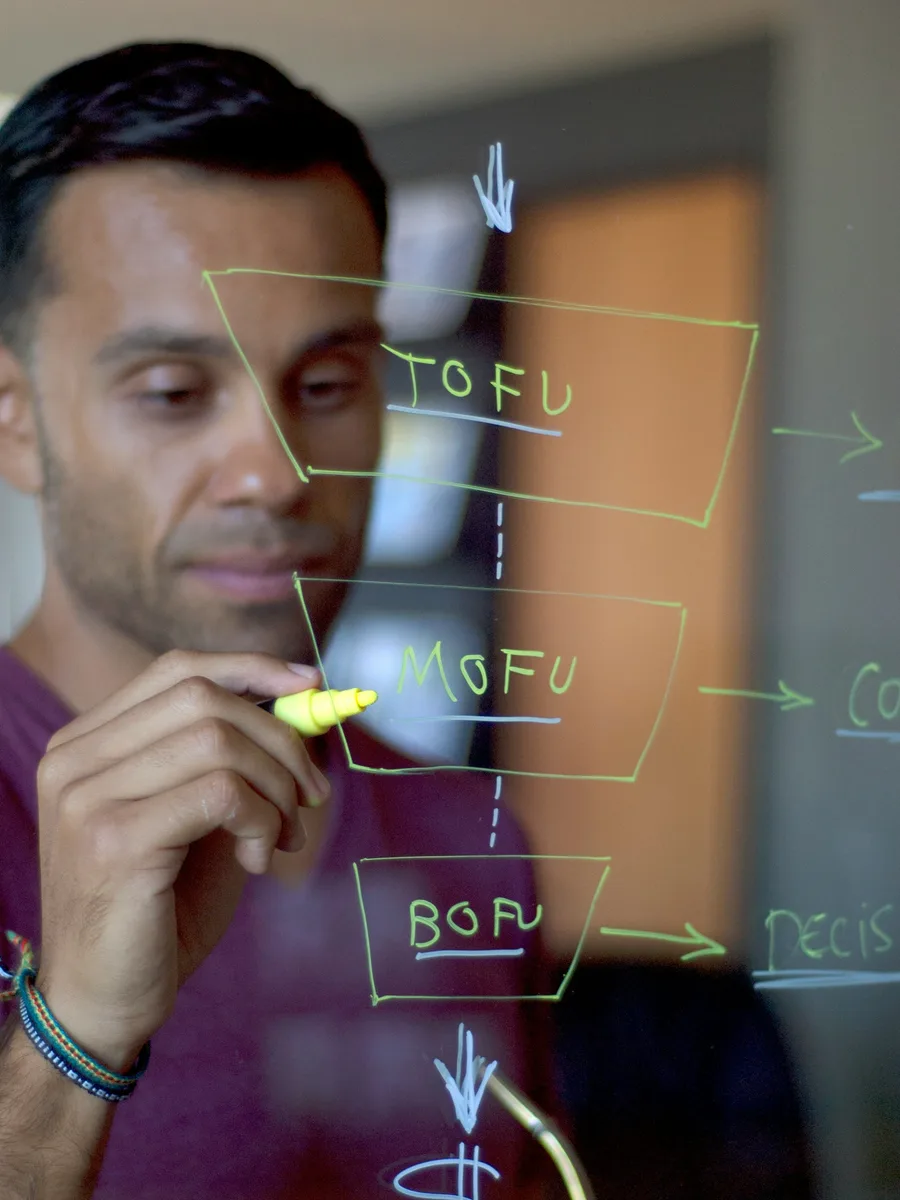
Traditional channels create awareness and trust at the top of the funnel; digital channels capture and convert that interest. A billboard or radio ad plants your name, but most prospective patients then search online to verify your practice, read reviews, and book. If your website is slow, generic, or hard to navigate, that traditional spend is wasted. The two work best as one system: offline reach feeding a conversion-optimised website and local SEO presence.
Absolutely. Word-of-mouth remains one of the strongest drivers of chiropractic patient acquisition because care decisions are trust-based. Traditional marketing amplifies word-of-mouth by keeping your practice recognisable, so referrals land more confidently. Online reviews are the modern extension of word-of-mouth — BrightLocal research consistently shows most consumers read reviews before choosing a local healthcare provider, so reputation management should run alongside any traditional campaign.
Traditional channels are harder to attribute than digital, but you can measure them by using dedicated phone numbers or tracking URLs per channel, adding a unique landing page or offer code, asking new patients how they heard about you at intake, and watching for lifts in branded online searches and direct website traffic during campaign windows. Pairing each traditional channel with a trackable digital destination is the only reliable way to know what your spend returns.
A new practice should establish its digital foundation first — a professional, fast, conversion-ready website plus an optimised Google Business Profile and local SEO — because that's where most prospective patients verify and book. Once that foundation captures demand, traditional channels become a powerful amplifier for building local awareness and trust. Spending on billboards before your website can convert is the most common way practices waste marketing budget.
Not directly. Billboards and radio don't influence search rankings or AI assistant answers. However, the brand awareness traditional channels create can increase branded searches and reviews, which indirectly strengthens your local digital authority. To actually appear in Google results and AI assistants like ChatGPT, Gemini, Perplexity, Copilot, and Claude, you need structured, authoritative web content, local SEO, and reputation signals — work that lives entirely on the digital side.