

Because it speaks to emotion before logic — story, faces, and feeling build the trust that turns a hesitant viewer into a booked patient.
Done right, video communicates emotion, builds familiarity, and explains complex care in seconds — the psychological work that turns attention into trust.
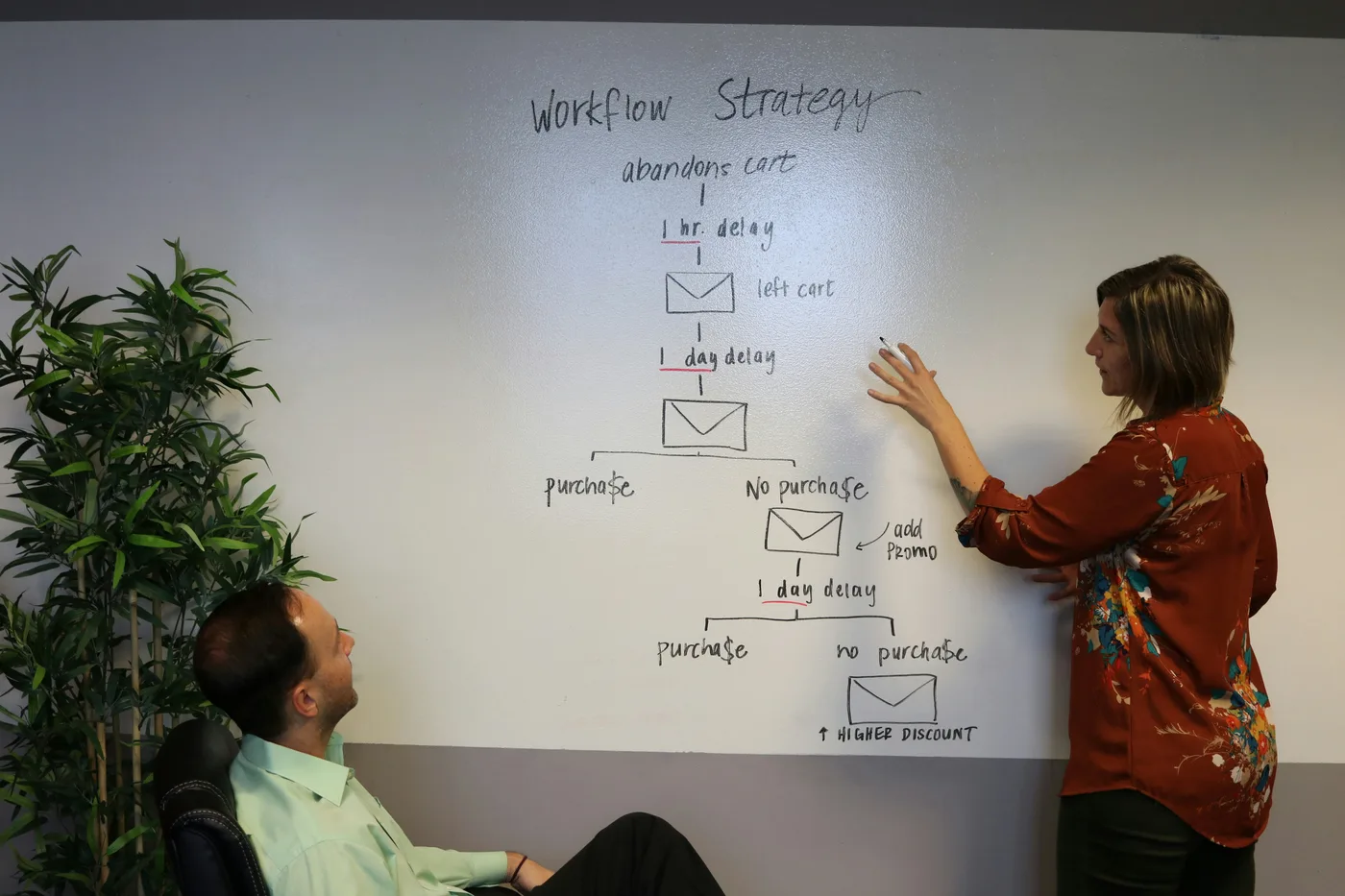
Emotion gets attention, but attention is wasted if the rest of the patient journey is broken. These gaps need more than a great clip.
The psychology is not anecdotal. The Institute of Practitioners in Advertising found that campaigns built on emotional content significantly outperform purely rational ones, often delivering roughly double the strong business effects. Pew Research documents that video has become the dominant way people consume information online, and surveys repeatedly show most consumers prefer to learn about a product or service by watching a short video rather than reading about it.
For healthcare, this matters even more. Prospective patients are often anxious, uncertain, and researching a sensitive decision. A clear, human video that explains a procedure and shows a caring team reduces fear and builds the trust that text alone struggles to create — and trust is what precedes a booked appointment.
"Video is a powerful form of communication. It conveys emotion and personality far better than text, and people are willing to invest attention in video that feels relevant and human."

Select a channel below to see what video contributes — and what still needs strategy, accuracy, and a conversion-ready website to make it pay off.
Key Pattern: In every channel, video adds emotion, clarity, and trust. Strategy, compliance, and a conversion-ready destination turn that attention into booked patients.
Emotion and infrastructure are not in competition. A compelling video and a conversion-ready website are complementary weights that, together, turn viewers into patients.
The strongest video marketing outcomes come from emotion and infrastructure in balance.
The gap between a few scattered clips and a video strategy that converts is not about production budget. It's about whether the emotion the video creates lands on a fast, trustworthy page with an obvious way to book — that is what turns watch time into patients.
Vigorant Website Design & CRO →Each of these risks needs specific human expertise to prevent. They are not hypothetical — they are the difference between video that builds your practice and video that quietly wastes budget.

The practices winning with video in 2026 have rejected the false choice between 'make a viral video' and 'just fix the website.' They do both.
"Roughly seven in ten people say they would rather learn about a product or service by watching a short video than by reading text — emotion and motion simply communicate faster than words on a page."

One of the biggest shifts in patient behaviour is that initial provider research increasingly happens inside AI answers, not just on Google's results page. Video that lives only as pixels — with no transcript or structured description — is invisible to these systems.
Patients now ask ChatGPT, Google Gemini, Perplexity, Microsoft Copilot, and Claude for recommendations and explanations. Whether your video content informs those answers depends on whether the words inside your videos are readable, structured, and authoritative enough for AI to cite.
The practices getting real results from video in 2026 pair emotional, authentic storytelling with a fast, conversion-ready website and a clear path to book — not one or the other.
For dental, medical, and chiropractic practices, the stakes are higher than for general consumer brands. Your video operates in a regulated environment where accuracy, consent, and authentic human trust are foundational requirements, not optional polish.
Vigorant is a healthcare-exclusive growth marketing agency. We build emotion-led, conversion-built video and web strategies for practices that want measurable growth — more booked patients, not just more views.
Evidence-based answers for dental, medical, and chiropractic practice owners on the psychology of video marketing, what it delivers, and what it can't fix alone.
Video works because it engages multiple senses at once and communicates emotion faster than text or static images. The human brain processes faces, voice tone, and motion almost instantly, which builds familiarity and trust. Research consistently shows that emotional content is shared and remembered more than purely rational content, and that combination of emotional resonance plus information is what makes video uniquely persuasive for healthcare practices trying to convert anxious prospective patients into booked appointments.
The highest-performing healthcare videos are short, authentic, and human: a warm provider introduction, a patient testimonial used with proper consent, a plain-language explanation of a common procedure, and a brief office tour that reduces first-visit anxiety. Story-driven videos that show real people and real outcomes outperform polished but impersonal product-style ads. Every clinical claim must be accurate and reviewed, and patient stories must follow HIPAA-aware consent practices.
A relevant, well-placed video on a landing page can meaningfully lift engagement and conversions because it answers questions, reduces uncertainty, and builds trust before a visitor commits to booking. The effect depends on the video being relevant to the page, fast-loading, captioned, and paired with a clear call to action. A great video on a poorly built or slow page will underperform, which is why video and conversion-focused web design work best together.
Video can support SEO by increasing dwell time, earning links, and giving search engines rich media to feature. Because Google owns YouTube, properly titled, described, and transcribed videos can also surface in search and video results. For AI search, transcripts and structured descriptions make your video content readable by assistants like ChatGPT, Gemini, Perplexity, Copilot, and Claude. Video alone does not guarantee rankings; it works as one signal within a complete content and technical SEO strategy.
Look beyond view counts. Audience retention, average watch time, drop-off points, click-through to a booking page, and assisted conversions reveal whether a video actually drives action. YouTube Studio and analytics platforms show where viewers lose interest, which helps you cut the weak opening seconds and strengthen the emotional hook. The most important metric is whether the video moves viewers toward a booked appointment, not vanity engagement.
Video cannot fix a slow or poorly structured website, a confusing booking flow, weak local SEO, or a thin brand story. If viewers feel an emotional pull from your video but land on a page that loads slowly, isn't mobile-friendly, or makes booking hard, the emotion dissipates. Video is a powerful top-of-funnel and trust tool, but it needs a conversion-ready website and clear next step to turn attention into patients.
Yes. Healthcare video must avoid unsubstantiated outcome claims, present clinically accurate information, and obtain proper consent before featuring any patient. Testimonials, before-and-after content, and treatment explanations should be reviewed so they comply with FTC advertising guidance and HIPAA-aware privacy practices. Emotional storytelling is encouraged, but it should never overstate results or imply guaranteed outcomes.