
Top Digital Marketing Trends for Dentists
The dental marketing trends that actually grow a practice in 2026, what mobile-first, video, automation, and AI search deliver, and where they need expert hands.
June 24, 202611 min read
Read article 
Digital marketing is evolving faster than ever. AI, mobile-first strategies, voice search, and data-driven personalisation are reshaping how businesses reach and convert customers. Here is what to expect, and how to stay ahead.
Staying current with the latest and upcoming trends helps businesses secure their position in the market. Marketing plays a significant role in achieving business success, and the past few years have brought dynamic, accelerating change to the marketing world.
Things have shifted decisively toward digital marketing, and the evolution continues. Technologies like artificial intelligence, voice search, augmented reality, and advanced data analytics are not distant possibilities, they are active forces reshaping how businesses attract, engage, and retain customers right now. Businesses that understand these shifts and adapt their strategies accordingly will build durable competitive advantages.
"Digital transformation is not a destination, it is a continuous journey. The organisations that treat digital capability as a core business function, rather than a support function, consistently outperform their peers across every growth metric."
McKinsey Digital Insights, McKinsey & Company


Each of these trends is already in motion, understanding them now gives your business a meaningful head start.
The impact of artificial intelligence and chatbots is already significant in digital marketing. Tools like ChatGPT and Google Gemini have fundamentally changed how marketers approach content creation, customer communication, and campaign optimisation. While these technologies currently help streamline processes, they are rapidly becoming capable of automating fully personalised marketing experiences, allowing businesses to focus on strategy while AI handles execution at scale.
AI-generated marketing content should always be reviewed by a human strategist to ensure brand accuracy, factual correctness, and audience relevance.

Digital marketing currently distributes effort across desktop, tablet, and smartphone users. However, the balance is shifting decisively toward mobile. Smartphones are becoming more powerful, and most consumers now use them for the vast majority of their online activities, from search and social media to shopping and communication. Businesses that prioritise mobile-first marketing strategies will reach customers more effectively and achieve stronger returns on their investment.
Businesses have already moved toward using customer and competitor data to inform their marketing decisions. This trend will continue to accelerate for three core reasons: customer data enables more relevant and personalised experiences; competitor data provides a clear view of market positioning; and performance data reveals exactly where marketing strategies need improvement. The result is more targeted advertising, more effective campaigns, and more personalised content for every user.

One of the most powerful ways consumers discover and evaluate products today is through influencers and creators they trust. Whether driven by genuine brand affinity or market momentum, influencer marketing delivers measurable results for businesses of all sizes. The rise of short-form video platforms has amplified this effect, giving influencers new formats to reach highly engaged audiences quickly. Expect influencer marketing to expand significantly, with more brands partnering with creators across every niche and industry.
Video is the most consumed content format online, it is easier to engage with, more persuasive than text alone, and provides consumers with a richer perspective on products and services. Businesses are increasingly using video to build trust, demonstrate value, and drive conversions. The future will see a strategic combination of short-form video for awareness and engagement, and long-form video for education and conversion, allowing brands to reach every type of customer across every stage of the buying journey.
Explore Vigorant's Web Design Service →
Consumers are becoming increasingly aware of how their data is collected, stored, and used for marketing purposes. Official policies are evolving in response, and businesses that get ahead of these changes will build stronger customer trust. The future of digital marketing will require transparent, consent-based data practices, giving customers meaningful control over their information. Businesses that embrace this shift will differentiate themselves and maintain marketing effectiveness as privacy regulations tighten globally.
Personalised marketing is no longer a premium differentiator, it is rapidly becoming the baseline expectation. Customers respond more positively to content and offers that reflect their specific interests, behaviours, and needs. AI-powered segmentation and automation tools make it possible to deliver personalised experiences at scale, ensuring that every marketing touchpoint is relevant to the individual receiving it. Businesses that invest in personalisation will see higher engagement rates, stronger conversion rates, and improved customer loyalty.

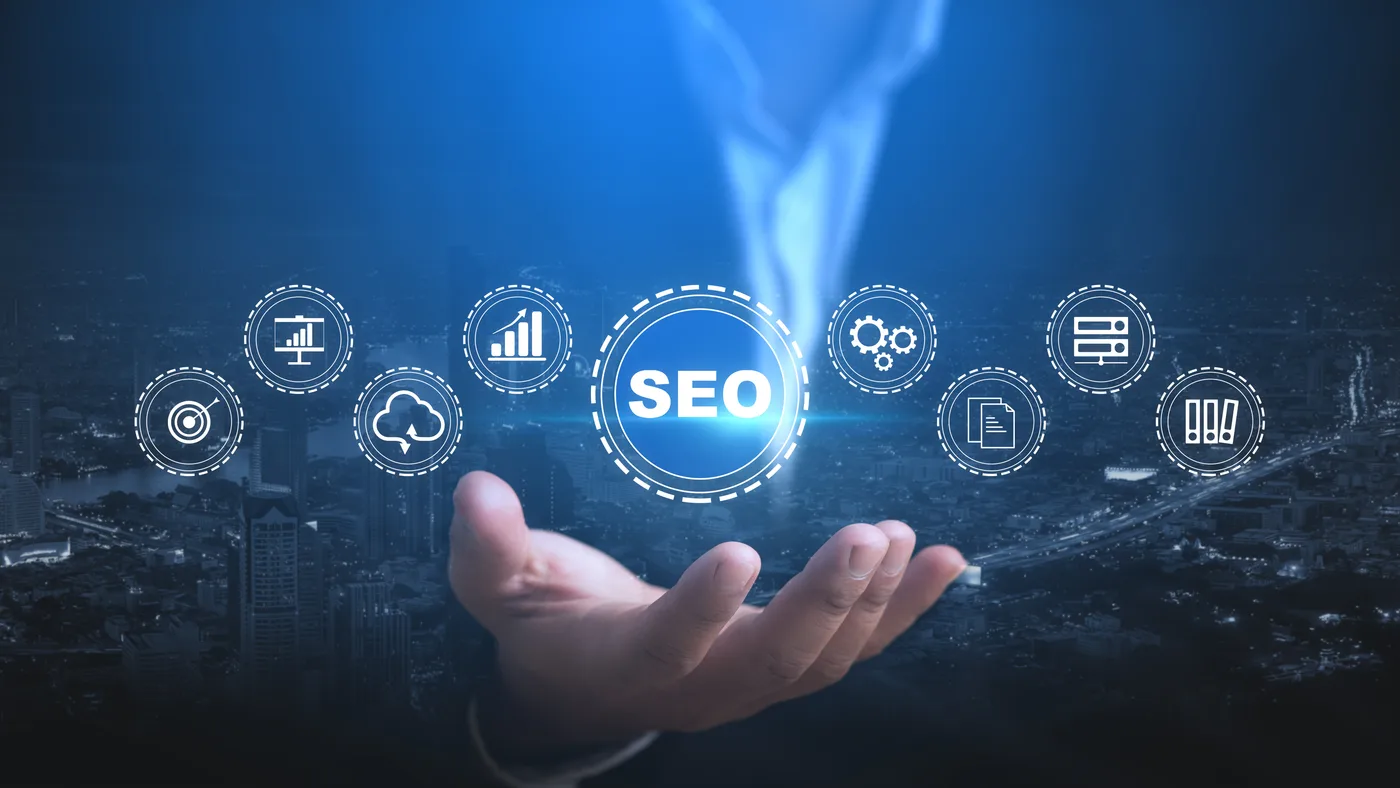
Voice commands have become a natural part of daily life through AI home devices and smartphone assistants. As voice search adoption grows, businesses need to optimise their digital presence for conversational, question-based queries rather than traditional typed keywords. Content structured to directly answer common spoken questions, using FAQ formats, natural language headings, and structured data markup, will be significantly more likely to appear in voice search results and AI-generated answers.
Augmented reality and virtual reality have been part of digital marketing for several years, and their impact is growing steadily. These technologies give customers a near-real experience when evaluating products, from trying on clothing and accessories to visualising furniture in their home. As AR and VR hardware becomes more accessible and affordable, more businesses will integrate immersive experiences into their digital marketing strategies to reduce purchase hesitation and increase conversion rates.
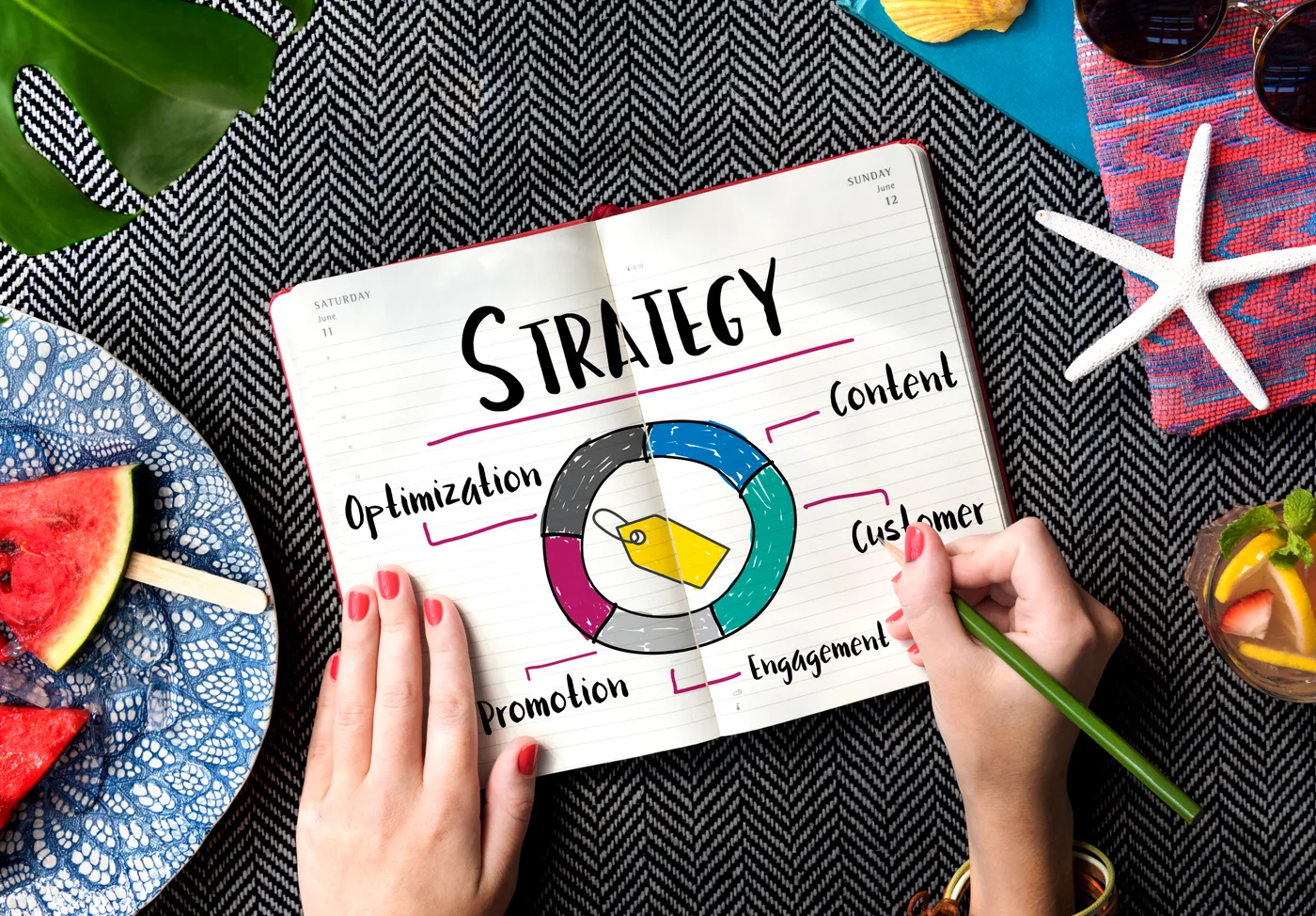

Digital marketing has been automating individual tasks for years, but the next phase involves automating entire marketing workflows end-to-end. AI tools can already handle content scheduling, email sequences, bid management, and performance reporting. As these tools mature, businesses will be able to automate complete customer journeys, from first awareness through to conversion and retention, significantly improving efficiency and freeing marketing teams to focus on strategy and creative direction.
As data-driven marketing grows in scale and sophistication, regulatory authorities worldwide are responding with stronger privacy frameworks. Businesses can expect clearer rules around data collection, storage, and use, creating both compliance obligations and opportunities to build customer trust through transparency. Organisations that proactively align their marketing practices with evolving privacy standards will be better positioned to maintain effective, sustainable marketing programmes as the regulatory landscape continues to develop.
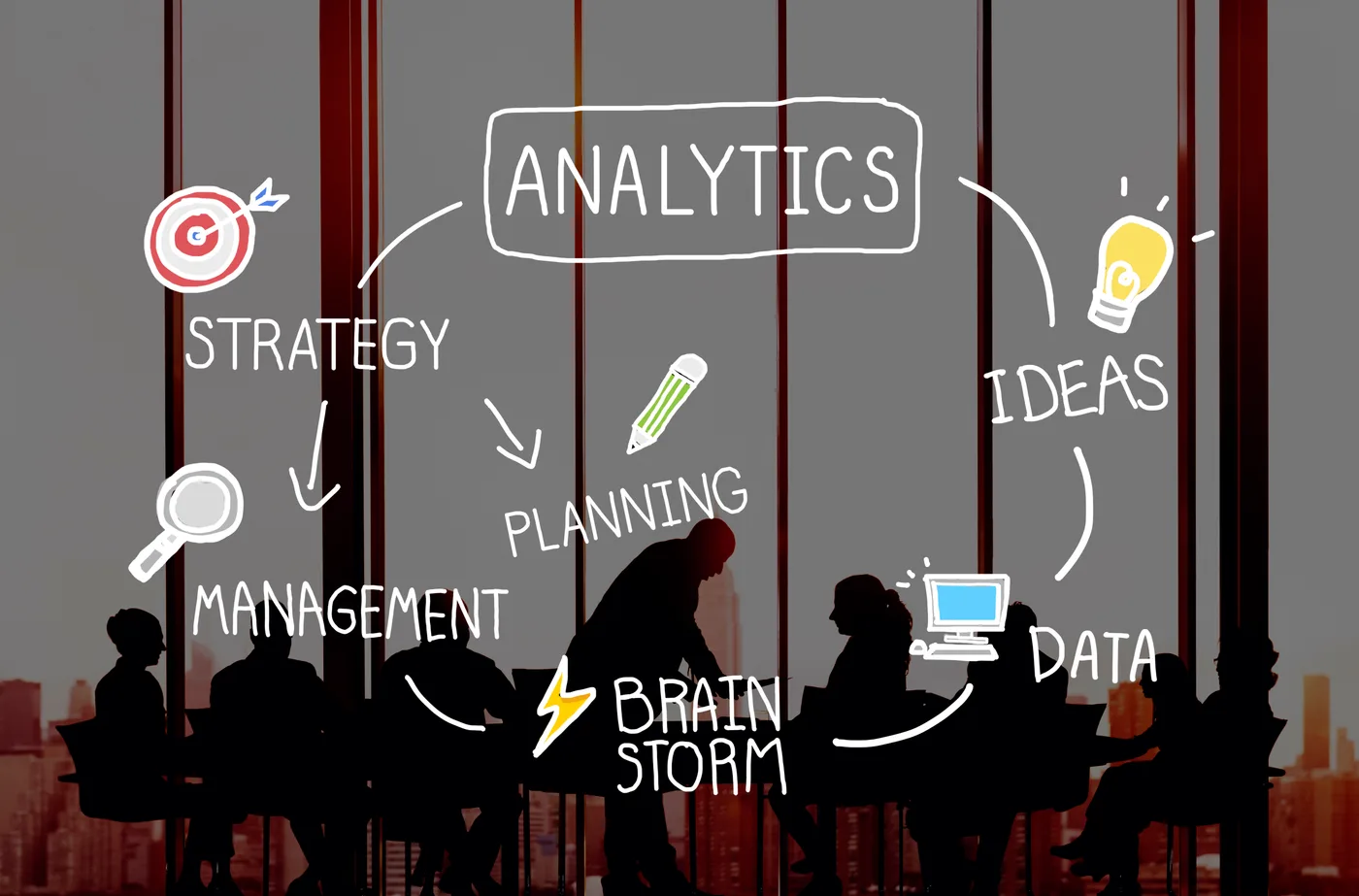
Contextual marketing delivers advertisements and content based on the specific context a user is in, what they are reading, searching for, or browsing at that moment. A person researching running shoes sees an ad for athletic footwear; a person reading about home renovation sees an ad for furniture. This approach ensures that marketing spend reaches users with demonstrated intent, reducing wasted impressions and improving overall return on ad spend. As cookie-based tracking declines, contextual targeting is becoming an increasingly essential strategy for performance-focused marketers.
The impact of artificial intelligence and chatbots is already significant in digital marketing. Tools like ChatGPT and Google Gemini have fundamentally changed how marketers approach content creation, customer communication, and campaign optimisation. While these technologies currently help streamline processes, they are rapidly becoming capable of automating fully personalised marketing experiences, allowing businesses to focus on strategy while AI handles execution at scale.
AI-generated marketing content should always be reviewed by a human strategist to ensure brand accuracy, factual correctness, and audience relevance.
Digital marketing currently distributes effort across desktop, tablet, and smartphone users. However, the balance is shifting decisively toward mobile. Smartphones are becoming more powerful, and most consumers now use them for the vast majority of their online activities, from search and social media to shopping and communication. Businesses that prioritise mobile-first marketing strategies will reach customers more effectively and achieve stronger returns on their investment.
Businesses have already moved toward using customer and competitor data to inform their marketing decisions. This trend will continue to accelerate for three core reasons: customer data enables more relevant and personalised experiences; competitor data provides a clear view of market positioning; and performance data reveals exactly where marketing strategies need improvement. The result is more targeted advertising, more effective campaigns, and more personalised content for every user.
One of the most powerful ways consumers discover and evaluate products today is through influencers and creators they trust. Whether driven by genuine brand affinity or market momentum, influencer marketing delivers measurable results for businesses of all sizes. The rise of short-form video platforms has amplified this effect, giving influencers new formats to reach highly engaged audiences quickly. Expect influencer marketing to expand significantly, with more brands partnering with creators across every niche and industry.
Video is the most consumed content format online, it is easier to engage with, more persuasive than text alone, and provides consumers with a richer perspective on products and services. Businesses are increasingly using video to build trust, demonstrate value, and drive conversions. The future will see a strategic combination of short-form video for awareness and engagement, and long-form video for education and conversion, allowing brands to reach every type of customer across every stage of the buying journey.
Explore Vigorant's Web Design Service →Consumers are becoming increasingly aware of how their data is collected, stored, and used for marketing purposes. Official policies are evolving in response, and businesses that get ahead of these changes will build stronger customer trust. The future of digital marketing will require transparent, consent-based data practices, giving customers meaningful control over their information. Businesses that embrace this shift will differentiate themselves and maintain marketing effectiveness as privacy regulations tighten globally.
Personalised marketing is no longer a premium differentiator, it is rapidly becoming the baseline expectation. Customers respond more positively to content and offers that reflect their specific interests, behaviours, and needs. AI-powered segmentation and automation tools make it possible to deliver personalised experiences at scale, ensuring that every marketing touchpoint is relevant to the individual receiving it. Businesses that invest in personalisation will see higher engagement rates, stronger conversion rates, and improved customer loyalty.
Voice commands have become a natural part of daily life through AI home devices and smartphone assistants. As voice search adoption grows, businesses need to optimise their digital presence for conversational, question-based queries rather than traditional typed keywords. Content structured to directly answer common spoken questions, using FAQ formats, natural language headings, and structured data markup, will be significantly more likely to appear in voice search results and AI-generated answers.
Augmented reality and virtual reality have been part of digital marketing for several years, and their impact is growing steadily. These technologies give customers a near-real experience when evaluating products, from trying on clothing and accessories to visualising furniture in their home. As AR and VR hardware becomes more accessible and affordable, more businesses will integrate immersive experiences into their digital marketing strategies to reduce purchase hesitation and increase conversion rates.
Digital marketing has been automating individual tasks for years, but the next phase involves automating entire marketing workflows end-to-end. AI tools can already handle content scheduling, email sequences, bid management, and performance reporting. As these tools mature, businesses will be able to automate complete customer journeys, from first awareness through to conversion and retention, significantly improving efficiency and freeing marketing teams to focus on strategy and creative direction.
As data-driven marketing grows in scale and sophistication, regulatory authorities worldwide are responding with stronger privacy frameworks. Businesses can expect clearer rules around data collection, storage, and use, creating both compliance obligations and opportunities to build customer trust through transparency. Organisations that proactively align their marketing practices with evolving privacy standards will be better positioned to maintain effective, sustainable marketing programmes as the regulatory landscape continues to develop.
Contextual marketing delivers advertisements and content based on the specific context a user is in, what they are reading, searching for, or browsing at that moment. A person researching running shoes sees an ad for athletic footwear; a person reading about home renovation sees an ad for furniture. This approach ensures that marketing spend reaches users with demonstrated intent, reducing wasted impressions and improving overall return on ad spend. As cookie-based tracking declines, contextual targeting is becoming an increasingly essential strategy for performance-focused marketers.
"Digital transformation is not a destination, it is a continuous journey. The organisations that treat digital capability as a core business function consistently outperform their peers across every growth metric."
For in-depth research on digital transformation and marketing strategy, see the McKinsey Digital Insights resource linked in the footer of this page.
See how adopting these predictions changes every dimension of digital marketing for businesses ready to grow.
Hover or tap each card to flip
Broad, demographic-only campaigns
AI-driven, intent-based, hyper-personalised
Days to weeks per asset
Hours per asset with AI-assisted drafting
Manual keyword research only
AI keyword clustering + voice search optimisation
Weekly manual bid adjustments
Real-time algorithmic bidding and targeting
Generic batch email campaigns
Personalised AI-segmented sequences
Desktop-first with mobile as afterthought
Mobile-first design and campaign architecture
Periodic manual CRO reviews
Continuous AI-assisted A/B testing and optimisation
Monthly static dashboards
Live predictive dashboards with actionable insights
Reactive compliance after regulation
Proactive first-party data and consent strategy
Occasional promotional emails only
AI-driven reactivation and lifecycle campaigns
Ad hoc manual research
Automated real-time competitor monitoring
Adapting to these digital marketing trends does not require replacing everything you are doing today. It requires layering smarter tools, clearer data practices, and more personalised strategies onto a strong marketing foundation. The businesses winning in 2025 are combining human strategic judgment with AI-powered execution.
Understanding these limits helps business owners make smarter investment decisions and set realistic expectations for AI-powered marketing tools.
Deciding which markets to enter, how to position against specific competitors, which customer segments to prioritise, or how to respond to a reputational challenge requires strategic human judgment. No AI tool can replicate the contextual understanding and business intuition that experienced marketers bring to these decisions.
The trust signals that convert a website visitor into a paying customer, genuine testimonials, authentic brand storytelling, real community involvement, and consistent human communication, cannot be fabricated or fully automated. They require human creativity, empathy, and relationship-building.
AI-generated marketing content can contain factual inaccuracies, outdated information, or oversimplified claims. All AI-produced content must be reviewed and approved by a qualified human before publication. Publishing unchecked AI content creates credibility risk and undermines the E-E-A-T signals that search engines and customers rely on.
No AI tool automatically ensures that a marketing campaign, website, or email communication meets applicable advertising regulations, data privacy laws, or platform-specific policies. Compliance requires human legal and regulatory review, every time, without exception.
"The most impactful uses of technology in marketing are those where human strategic and creative knowledge directs the system, not the other way around."
In 2025 and beyond, a growing share of consumer searches begin on AI interfaces, not traditional search engine results pages. Customers type questions into ChatGPT, Google Gemini, Perplexity, and Claude. Whether your business is cited in those AI-generated answers depends entirely on how your content is structured, how authoritative your domain is, and how well your website is technically optimised.
Directly answers the exact questions consumers ask AI assistants in natural language
Verifiable credentials and professional affiliations cited on content pages
Organization, FAQPage, and Article entities correctly implemented across your site
Links to peer-reviewed, government, or institutional sources that validate your claims
Broad, consistent library of expert-level content covering your industry and services in depth
Fast-loading, mobile-first, error-free website that AI crawlers can index completely and accurately
Vigorant is a growth marketing agency that applies the latest digital marketing strategies, AI automation, data-driven personalisation, voice search optimisation, mobile-first design, and conversion rate optimisation, within a human-led strategy built specifically around your business and your customers.
Custom websites engineered for conversion, performance, and search visibility
AI-powered SEO with AEO and GEO for ChatGPT, Gemini, Claude, and Perplexity
Data-driven paid advertising with real-time optimisation and transparent reporting
Personalised customer communication sequences for acquisition and retention
Voice search and mobile-first content strategy built for the AI search era
Predictive analytics with live dashboards and regular strategy reviews
Everything business owners and marketers need to know about the future of digital marketing, emerging trends, and how to prepare their strategy.
The future of digital marketing is being shaped by artificial intelligence, mobile-first strategies, data-driven personalisation, voice search, AR/VR experiences, and tighter data privacy regulations. Businesses that adapt to these trends early will build stronger customer relationships, reduce wasted ad spend, and achieve higher returns on their marketing investment. The most successful marketers will combine AI-powered tools with human strategic judgment.
AI is already transforming digital marketing by automating content creation, enabling real-time ad bid optimisation, powering personalised customer communication, and providing predictive analytics. In 2025 and beyond, AI is expected to automate entire marketing workflows, from audience segmentation and content personalisation to campaign monitoring and performance reporting, allowing businesses to scale their marketing without proportionally scaling their team.
Smartphones are now the primary device for most consumers, who use them for the majority of their online activities including search, shopping, social media, and communication. Mobile-first marketing strategies reach customers where they spend the most time, improve engagement rates, and deliver stronger ROI. Businesses that do not optimise their digital marketing for mobile risk losing a significant share of their potential audience.
Data-driven marketing uses customer behaviour data, competitor insights, and campaign performance metrics to inform every marketing decision. It matters because it replaces guesswork with evidence, enabling businesses to target the right audiences, personalise their messaging, allocate budgets more efficiently, and continuously improve campaign performance. As data collection tools become more sophisticated, data-driven marketing will become the standard rather than the exception.
Voice search is changing how people find information online. Users speak in natural, conversational phrases rather than typing short keywords, which means businesses need to optimise their content for long-tail, question-based queries. Websites that structure their content to directly answer common spoken questions, using FAQ sections, conversational headings, and structured data markup, are better positioned to appear in voice search results and AI-generated answers.
Augmented reality (AR) and virtual reality (VR) are enabling immersive shopping and brand experiences that reduce purchase hesitation and increase customer confidence. Consumers can virtually try on clothing, visualise furniture in their home, or experience a product before buying. As AR and VR hardware becomes more accessible, more businesses will integrate these technologies into their digital marketing strategies to differentiate their brand and improve conversion rates.
Stricter data privacy regulations are giving consumers more control over how their data is collected, stored, and used. For marketers, this means moving away from third-party data dependency toward first-party data strategies, building direct relationships with customers through owned channels like email, loyalty programmes, and gated content. Businesses that prioritise transparent, consent-based data practices will build greater customer trust and maintain marketing effectiveness as regulations tighten.
Contextual marketing delivers advertisements and content that are relevant to the specific context a user is in at that moment, based on what they are reading, searching for, or browsing. Unlike broad demographic targeting, contextual marketing ensures that ads reach users with demonstrated intent, which reduces wasted impressions, improves click-through rates, and increases overall return on ad spend. As cookie-based tracking declines, contextual targeting is becoming an increasingly important strategy.
Vigorant is a growth marketing agency serving businesses across the United States. We apply the latest digital marketing strategies, AI automation, data-driven personalisation, mobile-first design, and conversion optimisation, within a human-led strategy built for your business and your growth objectives.
The dental marketing trends that actually grow a practice in 2026, what mobile-first, video, automation, and AI search deliver, and where they need expert hands.
Where is healthcare digital marketing headed? AI search, voice, video, and privacy trends, and what practice owners should do now to stay visible and compliant.
The top digital marketing tools every practice needs, what each tool actually delivers, where it falls short, and how to turn data into booked patients.