Healthcare Marketing

    Why Digital Marketing Services Will Be Essential in 2026 — and How to Deliver Them

    By 2026, patients decide online before they ever call. The real question for dental, medical, and chiropractic practices is no longer whether to invest in digital marketing — it is whether to build it in-house or partner with a specialized agency.

    Vigorant Healthcare Marketing TeamUpdated June 202610 min read
    Healthcare practice owner reviewing a digital marketing dashboard for 2026 growth planning
    • Published:September 23, 2025
    • Author:Vigorant Healthcare Marketing Team
    • Category:Healthcare Marketing · Digital Strategy · Practice Growth
    The Shift Explained

    Why 2026 Raises the Stakes for Digital Marketing

    Businesses survive on their ability to adapt, and by 2026 adaptation means far more than maintaining a website or running an occasional ad. Patients now expect seamless, data-driven experiences that guide them from the first search to a booked appointment. For dental, medical, and chiropractic practices, digital marketing services have shifted from an optional add-on to a primary driver of sustainable growth.

    The marketplace is more competitive than ever. Prospective patients search on Google, browse on Meta, read reviews, compare treatment options, and increasingly ask AI assistants for recommendations — often before they call a single office. The practices that win are the ones that unify those touchpoints into one coherent journey rather than treating each channel as a separate, disconnected effort.

    That is where the central decision of this article comes in. The technology and platforms — Google, Meta, modern CRMs, and AI search engines — are available to everyone. The difference lies in execution. Should your practice build that execution capability in-house, or partner with a specialized healthcare marketing agency? Each path has real advantages and real trade-offs, and the right answer depends on your goals, your market, and your capacity.


    "The vast majority of online adults look online for health information, and search engines are the most common starting point for that research."

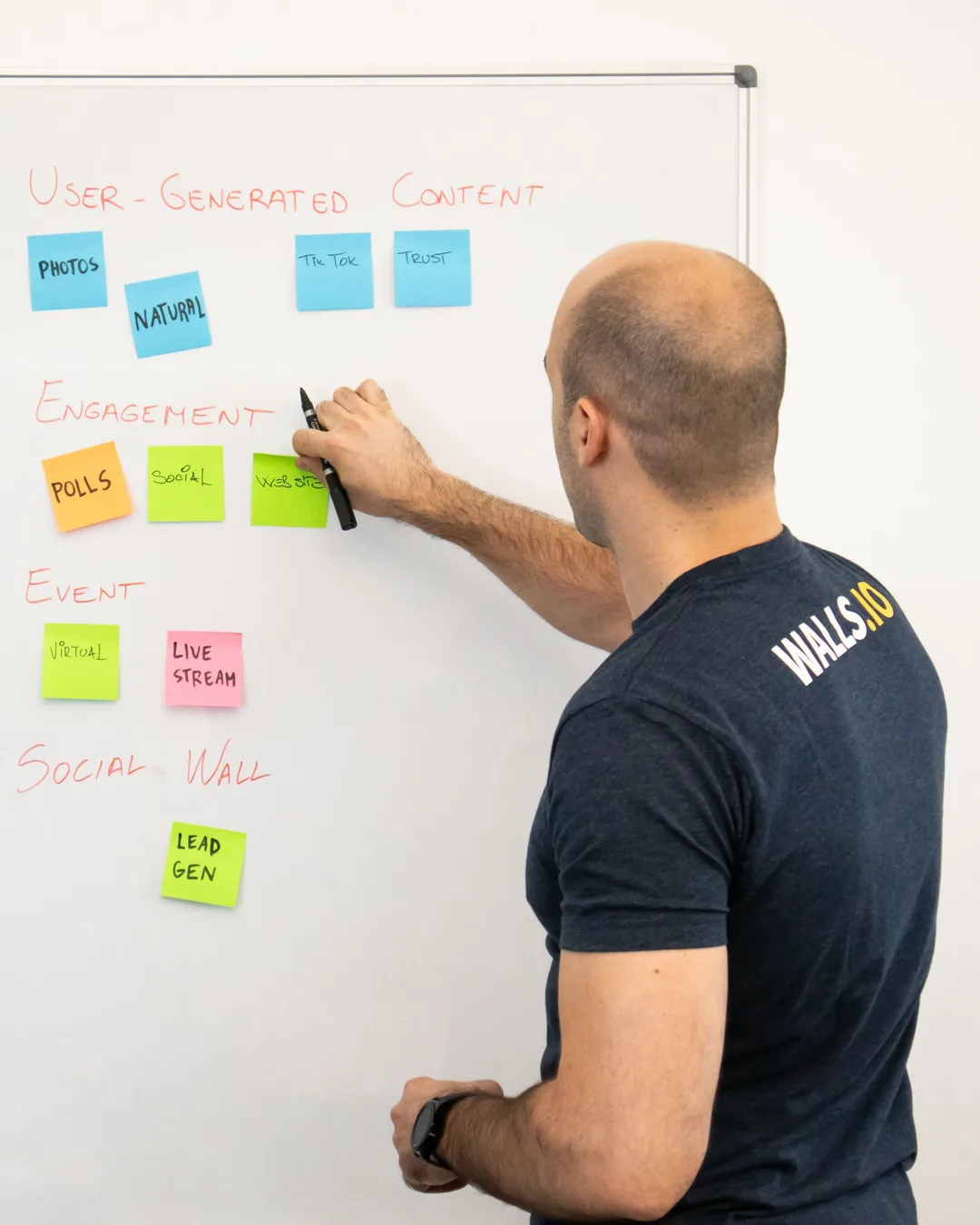
    Marketing team mapping an omnichannel patient journey across search, social, and email
    The Upside

    Advantages of Partnering With a Specialized Marketing Agency

    Where an expert healthcare marketing partner genuinely outperforms a do-it-yourself or in-house-only approach in 2026.

    01

    Cross-Channel Expertise on Day One

    A capable agency brings specialists across SEO, paid ads, social, email, and reputation under one roof. Instead of hiring and training for each discipline, your practice gains an omnichannel team immediately — the unified, friction-free experience patients now expect across search, Meta, and beyond.

    02

    Proven Systems and Shared Learning

    Agencies refine repeatable systems across many practices, so your campaigns benefit from lessons already paid for elsewhere. Rather than experimenting from scratch, you inherit tested playbooks for local SEO, ad targeting, and content — accelerating results and reducing wasted spend.

    03

    Future-Ready and AI-Aware

    With more than 60% of healthcare searches now starting on mobile and a growing share routed through AI assistants, staying current is a full-time job. A specialist partner tracks platform changes, AI search behavior, and emerging trends so your practice adapts rather than falls behind.

    04

    Predictable Cost vs. Full Headcount

    Building a complete in-house team across every channel is expensive and slow to assemble. A retainer gives you access to a full skill set for less than the loaded cost of multiple specialist hires, with the flexibility to scale effort up or down as your goals shift.

    05

    Data-Driven, Human-Centered Execution

    The real power of digital marketing in 2026 is connecting analytics with empathy. A strong partner pairs measurable, conversion-focused campaigns with storytelling and patient education that build trust — turning clicks into booked appointments and one-time visitors into loyal patients.

    Healthcare professionals reviewing patient engagement and marketing performance data
    Key Insight

    "Behind every search and click is a person seeking trust and clarity. In 2026, the practices that win are the ones that pair data-driven targeting with genuinely human, patient-centered communication."

    The Trade-Offs

    Disadvantages and Risks of Going It Alone In-House

    Where a do-it-yourself or in-house-only marketing approach creates meaningful capacity, expertise, and compliance risks that practice owners must weigh.

    Medical practice team discussing the demands of managing marketing in-house

    Specialist Talent Is Hard to Hire and Retain

    Modern digital marketing spans SEO, paid media, content, social, analytics, and now AI search optimization. Hiring one generalist rarely covers all of it, and recruiting a full specialist team is costly and slow. For a busy practice, the result is often gaps in capability that quietly limit growth.

    Fragmented, Single-Channel Effort

    Patients no longer interact with just one platform, yet in-house efforts often default to whatever the team knows best. The result is disconnected campaigns instead of a unified omnichannel journey.
    Search and social run in silosInconsistent messaging across channelsNo unified patient journeyReviews and reputation neglectedAI search visibility ignoredReporting scattered across tools

    HIPAA and Compliance Exposure

    Healthcare marketing is not general marketing. Tracking pixels, lead forms, and analytics that touch patient information can create HIPAA exposure if configured without proper safeguards. In-house teams without healthcare-specific experience may not recognize these risks until a problem surfaces.
    • HIPAA-aware form and analytics configuration
    • Business Associate Agreements with all data-touching vendors
    • Careful handling so protected health information is never transmitted in tracking
    • Ongoing review as platform terms and regulations change

    Falling Behind on Trends and AI Search

    Platforms, algorithms, and patient behavior change constantly. Voice search, AI assistants, and shifting ad systems demand continuous learning. A part-time in-house effort rarely has the bandwidth to keep pace, and outdated tactics quietly erode visibility and patient acquisition over time.

    Generic Campaigns and Weak Trust Signals

    Because healthcare is a 'Your Money or Your Life' category, Google and patients alike hold the bar high. Generic, templated campaigns that lack genuine expertise, named clinical authors, and verifiable trust signals struggle both to rank and to convert searchers into booked patients.

    "Search engines reward content that demonstrates real experience, expertise, authoritativeness, and trustworthiness — especially for health topics that can affect a person's wellbeing."

    Google Search Central — Helpful Content Guidance

    Opportunity Cost and Owner Distraction

    Every hour a clinician or practice manager spends wrestling with ad platforms and analytics is an hour not spent on patient care or running the practice. Marketing done as a side project tends to be inconsistent — strong in busy weeks, neglected when the schedule fills — which undermines the steady presence growth requires.
    Head-to-Head

    In-House Marketing vs. Specialized Agency: The Complete Comparison

    How building marketing in-house compares to partnering with a specialized healthcare marketing agency across the criteria that matter most for patient acquisition in 2026.

    CriteriaIn-House / DIY MarketingSpecialized Healthcare Agency
    Channel CoverageLimited by team skillsFull omnichannel from day one
    Time to ResultsSlow — learning curveFaster — proven playbooks
    Specialist ExpertiseHard to hire and retainBuilt-in across disciplines
    Healthcare ComplianceRisk without HIPAA experienceHIPAA-aware by design
    AI Search / GEOUsually overlookedActively optimized
    Cost StructureMultiple salaries + toolsPredictable retainer
    Brand FamiliarityDeep internal knowledgeRequires onboarding ramp-up
    Day-to-Day ControlFull direct controlShared, collaborative control
    Reporting & AnalyticsScattered, manualUnified, transparent
    ScalabilityLimited by headcountScales with goals
    Owner Time DemandHigh — distracts from careLow — handled by partner
    Best ForSimple, single-channel needsPractices pursuing real growth

    An engaged in-house owner is valuable — but a do-it-yourself approach rarely covers every channel a 2026 patient touches. For practices with growth ambitions, a specialized partner (often alongside an internal champion) consistently outperforms a fully in-house effort across the dimensions that drive real patient acquisition.

    Decision Guide

    When In-House Works — and When You Need an Expert Partner

    ✓ In-House / DIY Marketing Makes Sense For:

    • An established practice in a low-competition market with steady, word-of-mouth patient flow
    • A single, simple channel such as occasional social posts or basic email reminders
    • A practice with a dedicated, experienced marketing hire who covers core disciplines
    • Short-term, light-touch maintenance while planning a larger strategy

    ⚠ A Specialized Agency Is the Smarter Choice When:

    • You compete in a dense local market where SEO and AI search visibility determine who patients find
    • Your website is a primary new-patient acquisition channel that must convert reliably
    • You need coordinated omnichannel campaigns across search, social, paid ads, and reputation
    • Marketing involves patient data, forms, or tracking that must be HIPAA-aware
    • You are a multi-location dental group, medical group, or growing chiropractic network scaling fast
    Vigorant's Approach

    How Vigorant Delivers Digital Marketing Built for Practice Growth

    Vigorant is a healthcare-exclusive growth marketing agency. Our approach combines the omnichannel coverage, proven systems, and AI-search readiness practices need in 2026 with the human-centered storytelling that earns patient trust — all engineered specifically for dental, medical, and chiropractic practices.

    • Conversion-focused website design and CRO that turns searchers into booked appointments

    • Healthcare SEO with local pack optimization, condition-specific pages, and Schema.org markup

    • Coordinated paid ads, social, email, and reputation management under one unified strategy

    • HIPAA-aware tracking, forms, and analytics reviewed before anything goes live

    • Generative Engine Optimization for ChatGPT, Gemini, Claude, Perplexity, and Copilot

    • Transparent reporting tied to patient acquisition — never guaranteed-ranking promises

    Healthcare marketing agency team planning an omnichannel growth strategy for a practice
    AI Search Visibility

    The GEO / AIO Factor: Will AI Assistants Recommend Your Practice in 2026?

    One of the biggest shifts shaping marketing in 2026 is Generative Engine Optimization (GEO) — structuring content so AI-powered search engines surface your practice in their generated answers. When a prospective patient asks ChatGPT, Google Gemini, Claude, Perplexity, or Microsoft Copilot 'Who is a good dentist near me?' or 'What chiropractor treats sciatica in my city?', the assistant assembles its response from content it has indexed and judged authoritative. Practices that ignore this channel are invisible in a fast-growing slice of patient research.

    ChatGPTGoogle GeminiPerplexityMicrosoft CopilotClaude

    Clearly structured FAQ content with specific, authoritative answers

    Named clinical authors with verified credential information

    Schema.org markup identifying content type, publisher, and subject

    External citations from credible, institutional sources

    Consistent expert-level content that builds genuine domain authority

    Most generic, in-house marketing efforts do not address GEO at all. It is an advanced content and technical strategy that requires specialist implementation — and in 2026 it is becoming a decisive competitive factor in healthcare markets.

    FAQ

    Frequently Asked Questions

    Everything healthcare practice owners need to know about why digital marketing services are essential in 2026, and how to choose between in-house and agency execution.

    Patients now research providers, compare reviews, explore treatment options, and book appointments online before ever calling an office. In 2026, a coordinated digital presence across search, social, and AI assistants is the bridge between visibility and sustainable growth. Practices without a deliberate digital strategy struggle to be found by the patients actively searching for care.

    Ready to Grow?

    In 2026, Digital Marketing Is No Longer Optional — Execution Is the Difference.

    If your dental, medical, or chiropractic practice is ready to turn online visibility into booked appointments — with omnichannel strategy, HIPAA-aware execution, and AI-search readiness — Vigorant is ready to help.

    • HIPAA-Aware Execution
    • Healthcare-Exclusive Agency
    • Omnichannel, Conversion-First Strategy