
Not Getting Consultation Calls? How a California Implant Practice Cut Cost-Per-Lead by 62%
A Southern California dental implant specialist had strong clinical outcomes, loyal patients, and an excellent chairside conversion rate, but almost no one was reaching the chair. Cost-per-lead for a single implant consultation had reached an unsustainable $187, and the practice's organic visibility for implant searches had stalled on page 4.
The gap wasn't clinical, it was structural: broad dental ad targeting, no Schema.org markup identifying the practice as an implant specialist, and no systematic way to turn satisfied patients into visible reviews.
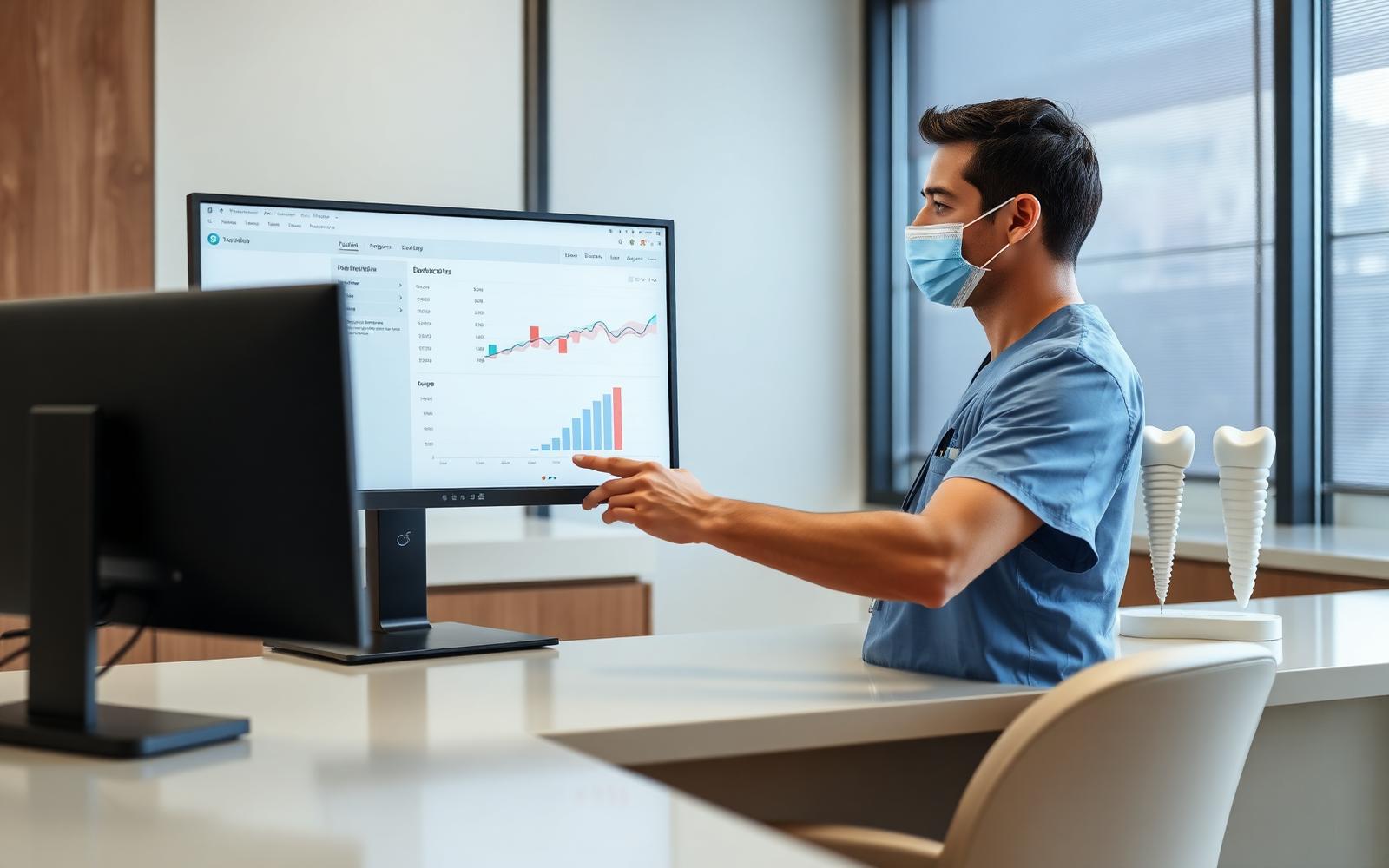
A Skilled Practice That Couldn't Convert Interest
The Problem Was Bigger Than the Ad Budget
The practice had built its reputation on clinical outcomes, careful case selection, a low revision rate, patients who left reviews unprompted, and assumed that reputation would eventually show up in search on its own. Referrals covered the gap for a while, which made the ranking problem easy to postpone. When referral volume leveled off, the gap became visible: page 4 rankings for the implant terms that mattered most, and an ad account still built around broad "dentist near me" language rather than implant-specific intent.
A closer audit showed the $187 cost-per-lead wasn't a bidding problem, it was structural. Challenges identified: page 4 ranking for core implant keywords; no Schema.org structured data; ad campaigns targeting broad dental terms rather than implant-specific intent; no systematic review collection process. Individually minor, together they meant the practice was investing in visibility without ever reaching the right patient at the right moment.
What Changed
| Metric | Before | After |
|---|---|---|
| Cost per implant consultation lead | $187 | $71 |
| Organic ranking position | Page 4 | Top 3 local |
| Schema markup | None | Full MedicalBusiness & Dentist |
| Ad targeting approach | Broad dental terms | Procedure-specific, intent-matched landing pages |
| Review generation | No systematic collection | 15+ reviews/month, automated |
Rebuilding the Path From Search to Consultation
Keyword Architecture Rebuild
Replaced generalized dental keyword targeting with an implant-specific hierarchy, segmented by procedure, pricing intent, and location intent, each mapped to its own dedicated landing page.
Technical SEO & Schema Markup
Implemented Dentist and MedicalProcedure Schema.org markup, resolved Core Web Vitals issues, restructured URL hierarchy.
Paid Campaign Restructure
Rebuilt Google Ads with single-keyword ad groups for high-value implant terms, added negative keyword lists, switched to target-CPA bidding.
Reputation Automation
Deployed automated post-visit SMS and email review request sequences for consistent Google review generation.
Each piece addressed a specific gap from the audit, the keyword rebuild and landing pages fixed intent-matching, the schema and technical fixes gave search engines a clear signal of what the practice specialized in.
Together, the changes reframed the whole campaign around one question: is this marketing built for an implant patient, or just a dental patient? Once campaign, landing pages, and schema markup were rebuilt around implant-specific intent, ranking and cost improvements followed within weeks.
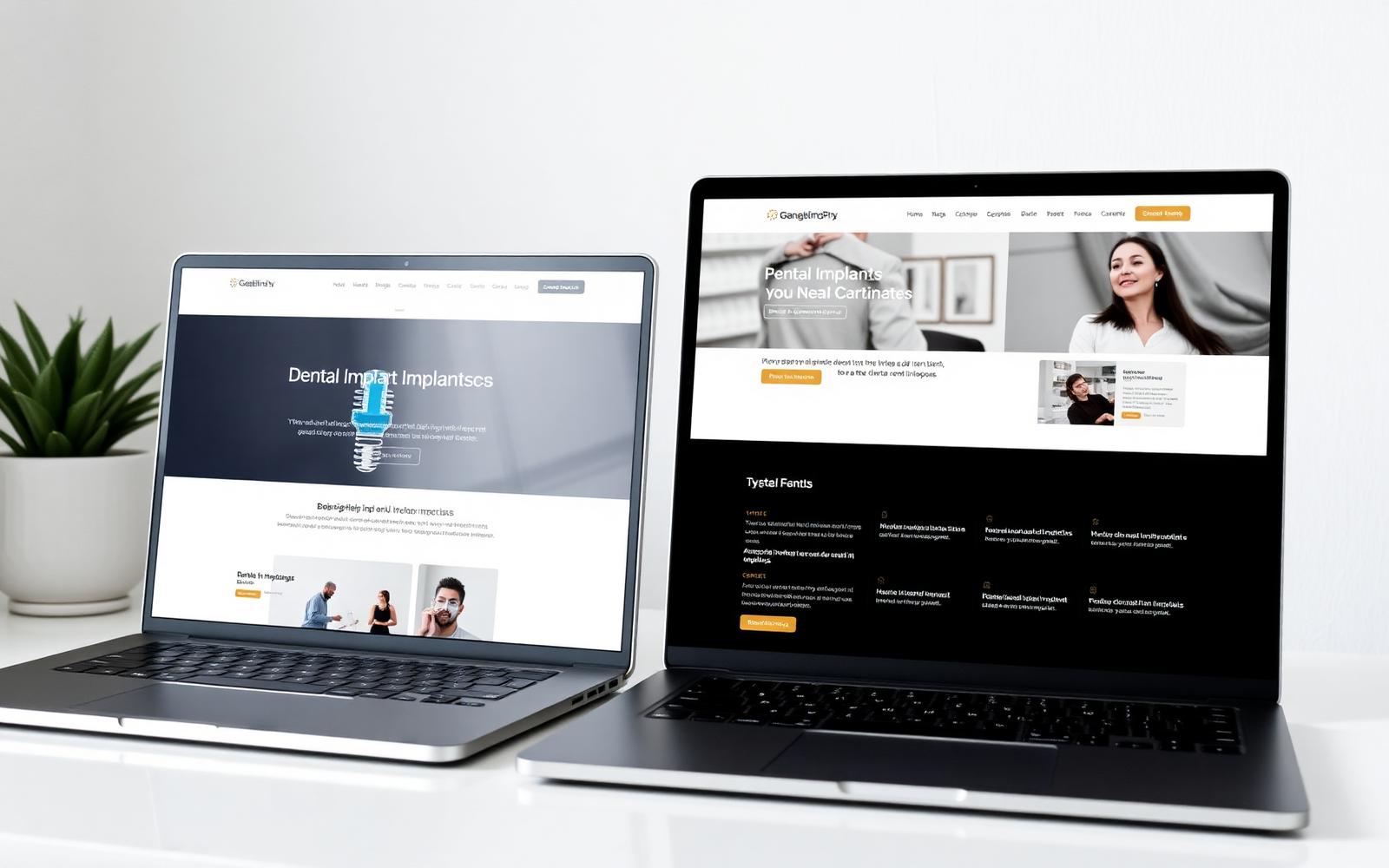
What the Work Produced
- 62%Reduction in cost-per-lead (from $187 to $71)
- +43%Increase in implant consultations booked vs. prior quarter
- Top 3Local ranking achieved within 60 days for implant keywords
- 15+New reviews/month via automated requests, 4.8★ average rating
“We had the patients but we couldn't find new ones. Now the phone rings every day.”
The practice didn't need better clinical outcomes, it already had those. It needed a digital presence built for the specific patient it was trying to reach, instead of a generic dental audience that was never going to book a $6,000+ procedure. A rebuilt keyword structure and clean Schema.org foundation can't replace clinical skill, what it can do is make sure the right patient finds the practice before a competitor does.
Frequently Asked Questions
Meaningful organic movement for competitive local terms typically begins within 60–90 days. Paid ads show faster results, often within 2–4 weeks.
No guarantees apply. This outcome reflects specific market conditions, campaign structure, and practice type.
It helps search engines understand content, enabling rich results and AI Overview visibility for Dentist, MedicalProcedure, and LocalBusiness data.
Engagement terms vary by service package. Direct contact needed for specifics.
Disclaimer: To protect client confidentiality and privacy, the name of the healthcare provider, practice, and any other identifying details presented in this case study have been fictionalized or anonymized. Any names, practice identifiers, or other details that could reasonably be used to identify an individual or organization have been modified for confidentiality purposes.