
How a Modern Redesign Increased Patient Engagement by 41%
Charlotte-based Parkside Dental Care had a trusted local reputation, but its aging website no longer reflected the experience patients received inside the practice. Slow mobile pages, dated layouts, and confusing navigation were making routine online tasks unnecessarily difficult.
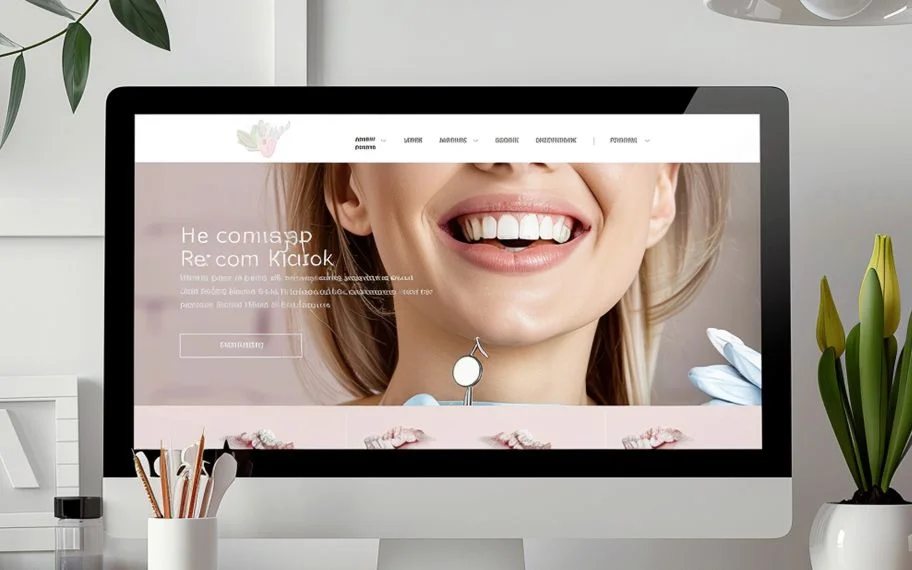
A patient-focused website redesign helped modernize the experience, simplify access to services and appointments, and increase meaningful website engagement without requiring the practice to dramatically increase traffic.

A Trusted Practice With an Aging Website
The Digital Experience Felt Years Behind
Dr. Marcus Bennett had invested years building a modern, patient-friendly practice. Yet the clinic's website still looked much as it had seven years earlier. More than 64% of visitors were browsing on mobile, where small text, crowded menus, and slow-loading pages made navigation difficult.
The team tried updating photos, changing homepage copy, and adding another appointment button. Those changes helped cosmetically but did not solve the deeper usability problems. Patients still struggled to find services, understand next steps, and move easily from research to scheduling.
What Changed
| Metric | Before | After |
|---|---|---|
| Mobile Page Load Time | 5.1 sec | 2.8 sec |
| Appointment CTA Engagement | 3.4% | 4.8% |
| Mobile Bounce Rate | 57% | 45% |
| Average Pages Per Visit | 1.8 | 2.4 |
| Service Page Engagement | 42% | 57% |
| Monthly Appointment Requests | 32 | 43 |
Redesigning the Website Around Real Patient Needs
Simplified Navigation
The site structure was reorganized around the questions patients commonly ask, making treatments, provider information, insurance details, and appointment options easier to locate.
Modernized Mobile UX
Layouts, buttons, typography, spacing, and page hierarchy were rebuilt for mobile-first browsing, where nearly two-thirds of the clinic's visitors were already arriving.
Improved Page Performance
Oversized media, unnecessary scripts, and inefficient page elements were reduced, helping priority pages load more quickly and lowering friction for mobile visitors.
Strengthened Appointment Paths
Clear appointment actions were added throughout high-intent landing pages so prospective patients could move naturally from learning about care to contacting the practice.
Vigorant approached the redesign as a patient-experience problem rather than simply a visual refresh.
The redesign created a cleaner digital experience that better matched the quality, efficiency, and professionalism patients experienced once they entered the office.
What the Work Produced
- +41%Higher Website Engagement
- +34%More Appointment Requests
- -21%Lower Mobile Bounce Rate
- 45%Faster Priority Mobile Page Loads
“The new website finally feels like our practice. Patients can find what they need quickly, and our team receives more useful appointment requests.”
An outdated website can quietly create friction long before a patient speaks with the front desk. For Parkside Dental Care, the challenge was not simply an old visual design: it was an online experience that made patients work too hard to find information and take action. By improving navigation, mobile usability, speed, and appointment pathways, the redesign helped increase appointment requests from 32 to 43 per month within approximately 60 days while creating a stronger foundation for future patient growth.
Frequently Asked Questions
Common signs include slow mobile performance, outdated layouts, confusing navigation, low engagement, high bounce rates, and patients struggling to find services or appointment information. A website audit can identify whether the problem is visual, technical, structural, or conversion-related.
Some usability and engagement improvements can appear within the first 30 to 60 days after launch. Appointment growth depends on traffic quality, patient demand, existing visibility, and how much friction the previous website created.
No. Some practices may only need targeted UX, mobile, speed, or conversion improvements. A complete redesign makes more sense when outdated structure, technology, branding, and patient pathways are affecting several areas of the website at once.
Disclaimer: The practice, doctor, location-specific details, and performance figures in this case study are hypothetical and illustrative, created to demonstrate a realistic healthcare marketing scenario while respecting client confidentiality.