How AI Search Is Changing Patient Acquisition for Family Dental Practices
Learn how AI search is changing patient acquisition for family dental practices, including local SEO, reviews, FAQs, service pages, appointment CTAs, and AI search visibility.

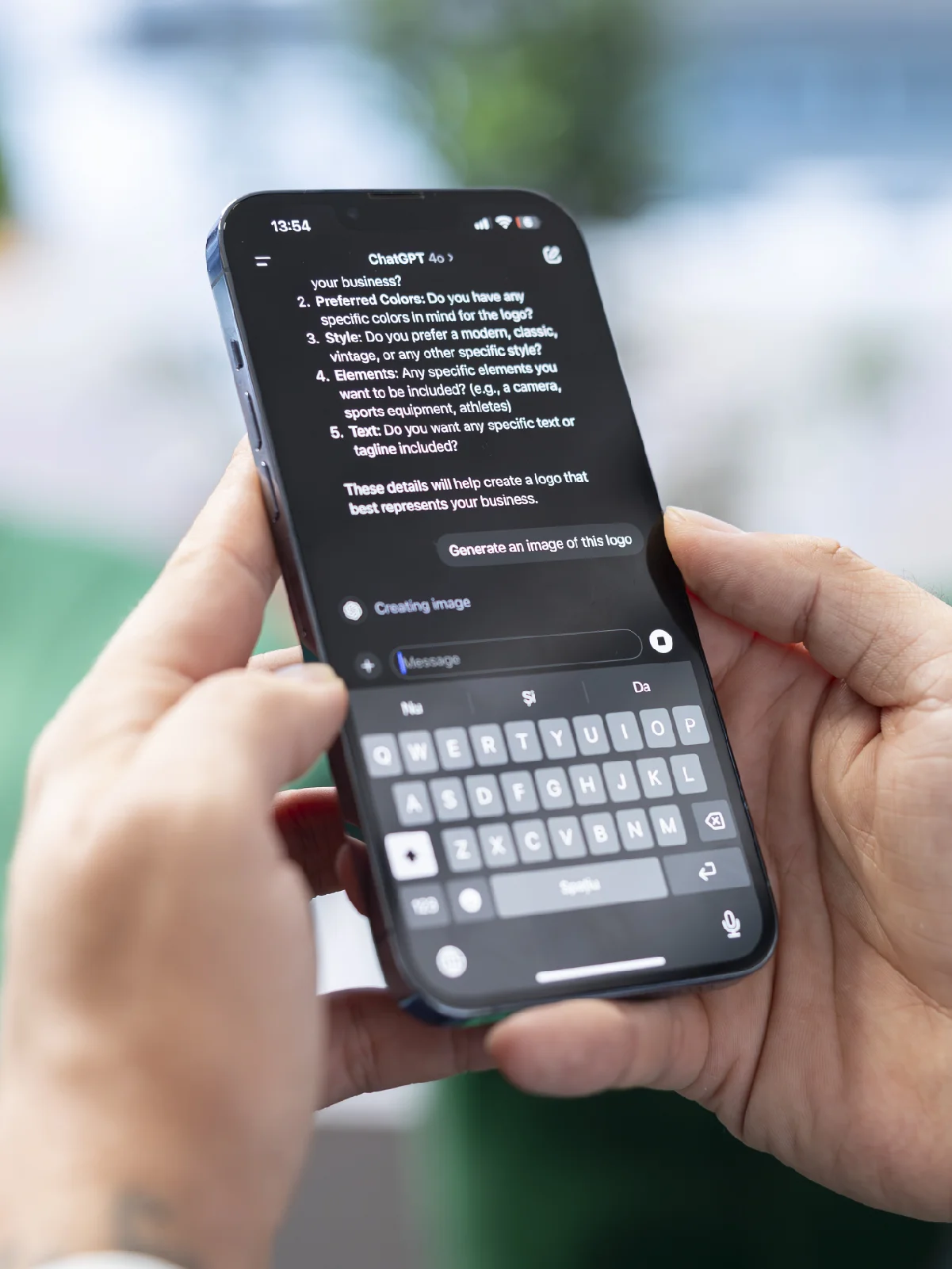
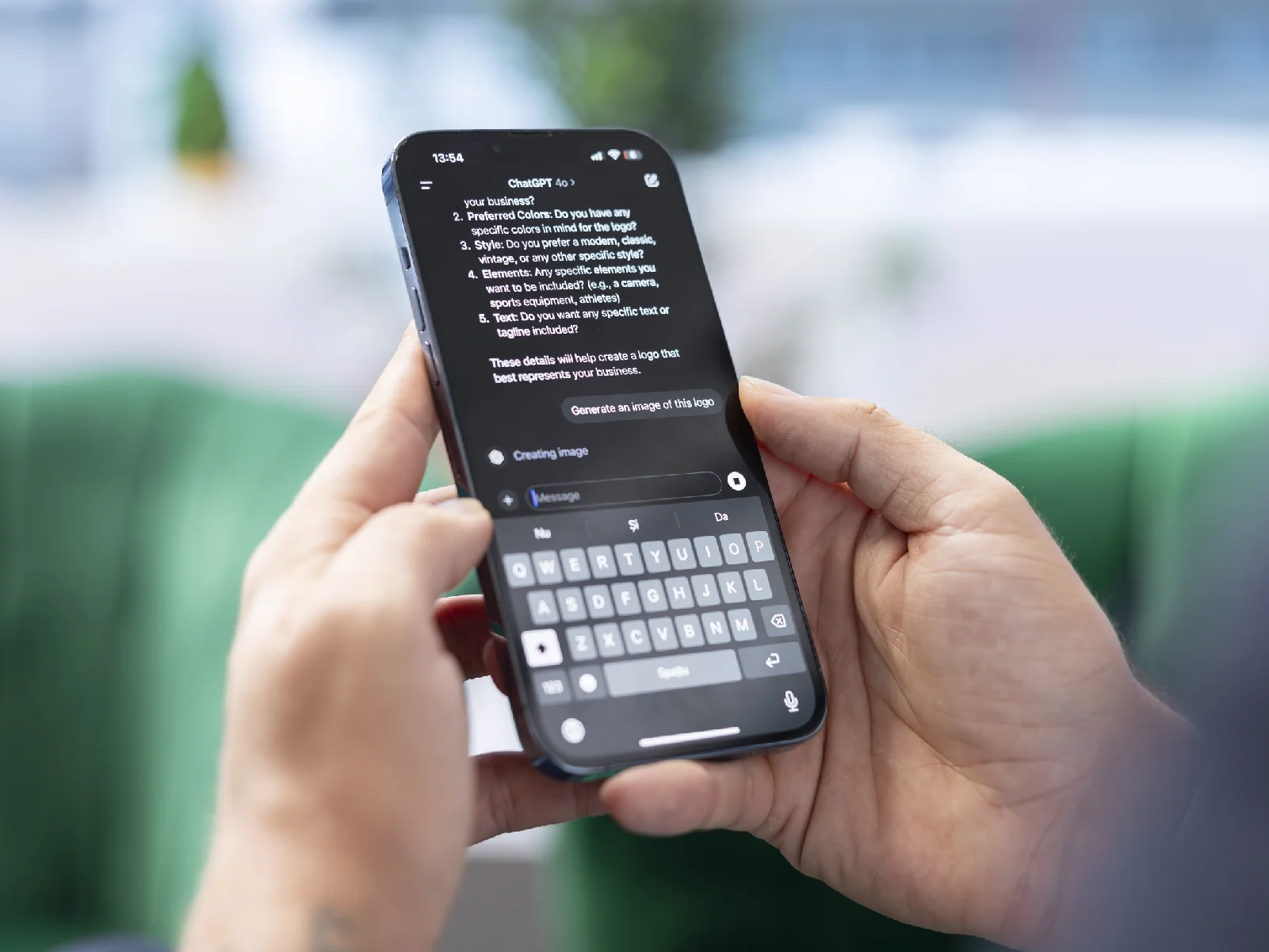
Patients are now asking ChatGPT for provider options, treatment guidance, local recommendations, review signals, and practical next steps before deciding which healthcare practice to contact.

ChatGPT is becoming part of the early research journey for patients who want to compare healthcare providers before they call, book, or visit a website. Instead of typing only “dentist near me” or “family doctor in my area,” patients can now ask detailed questions about who provides gentle dental care, which practice may be suitable for a nervous patient, or what type of provider they should contact for a specific concern. OpenAI explains that ChatGPT search can provide timely answers with links to relevant sources, which makes practice visibility more dependent on clear, accessible, and trustworthy online information.
For family dentistry, this shift matters because patients often ask practical questions before choosing a provider. They may want preventive care, emergency dental guidance, cleanings, crowns, pediatric-friendly care, or cosmetic options such as veneers and Invisalign. ChatGPT is not simply matching a keyword. It is trying to understand intent, compare available information, and return useful options. To see how this connects to broader growth strategy, review how AI search is changing patient acquisition for family dentistry.
"ChatGPT recommendations are not random. They are influenced by how clearly a practice explains its services, supports local relevance, earns patient trust, and gives people a confident next step."
- Healthcare Marketing Editorial Insight


ChatGPT recommendations depend on clear information, local relevance, trust signals, service depth, reputation patterns, structured data, and patient-friendly conversion pathways.
ChatGPT can understand a healthcare practice more clearly when every service page explains what the practice offers, who the service helps, and what patients should consider before contacting the office. A family dental website should go beyond a simple service list and answer practical questions about exams, cleanings, fillings, crowns, emergency dentistry, gum care, veneers, Invisalign, and preventive care. When service pages explain patient concerns in plain language, AI systems get stronger context and patients feel more prepared to take action.
Clear service pages support both patient confidence and AI answer relevance.


ChatGPT may use location context when patients ask for nearby providers, so local relevance needs to appear clearly across the website, Google Business Profile, reviews, and business listings. A practice should make its city, neighborhoods, services, hours, and appointment options easy to understand without forcing keywords into every sentence. Strong local signals help AI systems connect the practice to real patient intent, especially when someone asks for a family dentist, urgent care clinic, or chiropractor near them.
A complete Google Business Profile gives patients and AI systems more supporting information about the practice. The profile should clearly show the correct category, services, hours, phone number, website, appointment link, photos, reviews, and location details. For family dentistry, services such as cleanings, fillings, crowns, emergency visits, cosmetic dentistry, and preventive care should be accurate and easy to understand. The profile should function like a patient action pathway, helping people move from discovery to calls, directions, website visits, or appointments.


Reviews help explain what real patients value about a practice, which can support trust during AI-assisted discovery and provider comparison. Star ratings matter, but review recency, response quality, service mentions, and patient experience language often provide stronger context. Comments about gentle care, family appointments, emergency support, clear explanations, or front-desk communication can reinforce credibility. Reputation and Social Media services support the review, trust, and response workflows that help practices stay credible across search and AI discovery.
ChatGPT responds to questions, so FAQ content should reflect how patients actually ask for help before booking. A family dentistry website can answer questions about cleanings, crowns, dental anxiety, broken teeth, veneers, Invisalign, and urgent dental needs in a clear and responsible way. Strong FAQs explain the concern, give safe general guidance, and point patients toward professional evaluation when needed. This gives AI systems answer-ready content while helping patients feel informed, reassured, and less hesitant to schedule.


Structured data and entity clarity help search systems understand who the practice is, where it is located, what it offers, and how patients can contact it. Schema can support organization, local business, dentist, physician, FAQ, breadcrumb, article, and service information when it matches visible page content. Consistent names, addresses, provider details, service labels, and contact paths reduce confusion across platforms. This makes the practice easier to understand across traditional search, AI answers, and competitive local healthcare discovery.
ChatGPT visibility only matters when patients can take the next step easily after discovering the practice. A recommended practice still needs clear calls to action, mobile-friendly service pages, visible phone access, short forms, trust signals, and tracking for calls, forms, directions, and bookings. If the journey feels confusing, AI-assisted attention may not become a real inquiry. Conversion-focused pathways help turn discovery into measurable growth by connecting patient interest to booked appointments, lead quality, and practice revenue.

ChatGPT can understand a healthcare practice more clearly when every service page explains what the practice offers, who the service helps, and what patients should consider before contacting the office. A family dental website should go beyond a simple service list and answer practical questions about exams, cleanings, fillings, crowns, emergency dentistry, gum care, veneers, Invisalign, and preventive care. When service pages explain patient concerns in plain language, AI systems get stronger context and patients feel more prepared to take action.
Clear service pages support both patient confidence and AI answer relevance.

ChatGPT may use location context when patients ask for nearby providers, so local relevance needs to appear clearly across the website, Google Business Profile, reviews, and business listings. A practice should make its city, neighborhoods, services, hours, and appointment options easy to understand without forcing keywords into every sentence. Strong local signals help AI systems connect the practice to real patient intent, especially when someone asks for a family dentist, urgent care clinic, or chiropractor near them.

A complete Google Business Profile gives patients and AI systems more supporting information about the practice. The profile should clearly show the correct category, services, hours, phone number, website, appointment link, photos, reviews, and location details. For family dentistry, services such as cleanings, fillings, crowns, emergency visits, cosmetic dentistry, and preventive care should be accurate and easy to understand. The profile should function like a patient action pathway, helping people move from discovery to calls, directions, website visits, or appointments.

Reviews help explain what real patients value about a practice, which can support trust during AI-assisted discovery and provider comparison. Star ratings matter, but review recency, response quality, service mentions, and patient experience language often provide stronger context. Comments about gentle care, family appointments, emergency support, clear explanations, or front-desk communication can reinforce credibility. Reputation and Social Media services support the review, trust, and response workflows that help practices stay credible across search and AI discovery.

ChatGPT responds to questions, so FAQ content should reflect how patients actually ask for help before booking. A family dentistry website can answer questions about cleanings, crowns, dental anxiety, broken teeth, veneers, Invisalign, and urgent dental needs in a clear and responsible way. Strong FAQs explain the concern, give safe general guidance, and point patients toward professional evaluation when needed. This gives AI systems answer-ready content while helping patients feel informed, reassured, and less hesitant to schedule.

Structured data and entity clarity help search systems understand who the practice is, where it is located, what it offers, and how patients can contact it. Schema can support organization, local business, dentist, physician, FAQ, breadcrumb, article, and service information when it matches visible page content. Consistent names, addresses, provider details, service labels, and contact paths reduce confusion across platforms. This makes the practice easier to understand across traditional search, AI answers, and competitive local healthcare discovery.

ChatGPT visibility only matters when patients can take the next step easily after discovering the practice. A recommended practice still needs clear calls to action, mobile-friendly service pages, visible phone access, short forms, trust signals, and tracking for calls, forms, directions, and bookings. If the journey feels confusing, AI-assisted attention may not become a real inquiry. Conversion-focused pathways help turn discovery into measurable growth by connecting patient interest to booked appointments, lead quality, and practice revenue.

"ChatGPT does not simply reward the practice with the loudest marketing. It favors information that is clear, relevant, trustworthy, structured, and useful to the patient’s question."
The strongest AI visibility strategy connects SEO, reputation, content, local signals, and conversion.
AI visibility changes how healthcare practices appear before patients reach a website or contact the front desk.
Hover or tap each card to flip
Patients find the practice only through search links
Patients may find the practice through AI answers
Services appear as basic website labels
Services are explained through patient questions
Location is mentioned inconsistently
Location and service area are reinforced clearly
Reviews build trust after discovery
Reviews support recommendation confidence earlier
Website provides general information
Website validates AI-assisted patient interest
FAQs answer basic SEO questions
FAQs support AI answer matching
Short pages limit context
Detailed pages improve understanding
CTAs may appear late or inconsistently
Calls, forms, and booking paths are clear
Inquiries may be broad or vague
Patients arrive with stronger context
Visibility depends mainly on rankings
Growth comes from discovery, trust, and action
Patients compare with limited context
Patients compare with clearer trust signals
AI visibility does not replace SEO. It expands the discovery journey by helping patients understand which practice may fit their needs before they compare websites directly.
AI visibility creates opportunity, but healthcare practices should avoid treating ChatGPT recommendations as a simple technical trick.
Patients may ask ChatGPT health-related questions, but AI answers should never replace diagnosis, treatment planning, or professional care. Healthcare practices need educational content that helps patients understand when to seek evaluation without making unsupported claims. A dental website can explain possible reasons for tooth pain or broken teeth, but it should guide patients toward an appointment rather than suggesting certainty. Human review protects accuracy, compliance, patient safety, and long-term trust.
ChatGPT can summarize available information, but it may miss local context, payer details, provider availability, clinical nuance, or operational changes that matter to patients. Outdated hours, incorrect service descriptions, missing appointment links, or inconsistent listings can shape a weak recommendation. Healthcare practices need ongoing human oversight to keep every public detail accurate, useful, and aligned with real services, current capacity, patient communication standards, and front-desk workflows across every online platform.
AI can help create outlines and drafts quickly, but generic content can make a healthcare website sound like every competitor. Patients want explanations that feel specific, practical, and reassuring before they contact a provider. Family dentistry content should address real concerns around cleanings, children's visits, dental anxiety, emergency care, crowns, veneers, and Invisalign. Human strategy adds local relevance, brand voice, clinical care, and trust-building detail that patients can recognize before booking.
Appearing in ChatGPT answers should not be treated as the final goal. The stronger question is whether AI-assisted discovery creates calls, forms, direction requests, consultations, and booked appointments. Practices need tracking across organic traffic, referral visits, Google Business Profile actions, landing page engagement, and lead quality. Without measurement, AI visibility becomes another vague marketing metric instead of a patient acquisition system that supports predictable growth, stronger conversion, and real appointment demand.
"AI visibility matters most when it connects to patient acquisition, inquiry conversion, and practice growth, not when it only creates another place to be seen."
Patients now move between Google, ChatGPT, Gemini, Perplexity, Copilot, reviews, maps, and practice websites before making decisions. OpenAI describes ChatGPT search as a way to get timely answers with relevant web sources, which means patients may compare providers through summarized information before they ever scan a traditional results page.
This does not remove the need for SEO. It raises the standard for it. Healthcare practices need websites that answer patient questions, Google profiles that reinforce trust, listings that remain consistent, reviews that show real experience, and content that can be understood by AI systems and humans. SEO and AI Search services help practices strengthen technical SEO, AEO, GEO, Google Business Profile visibility, and content structure for the new front door of patient research.

Answer common care questions clearly.
Connect services to nearby patients.
Keep reputation current and specific.
Explain treatments beyond basic labels.
Help systems understand page structure.
Turn discovery into patient inquiries.

Healthcare practices can prepare for ChatGPT-driven discovery by connecting SEO, content strategy, Google Business Profile optimization, reputation, landing pages, and conversion tracking. The goal is not to chase AI visibility as a trend. It is to build a stronger patient acquisition system that helps practices get found, trusted, contacted, and booked.
Build AI-ready service pages around real patient questions and appointment intent.
Strengthen Google Business Profiles with accurate services, categories, and conversion paths.
Improve review strategy so reputation supports trust across search and AI answers.
Add structured FAQs that support SEO, AEO, and patient decision-making.
Create conversion-focused landing pages that turn AI-influenced visitors into inquiries.
Track calls, forms, directions, and booked appointments from key discovery channels.
Practical answers for healthcare practices trying to understand AI visibility, patient trust, and ChatGPT-driven discovery.
ChatGPT may recommend or mention a healthcare practice when available information clearly supports the user's question. Important signals can include service relevance, local context, website content, reviews, business listings, provider information, FAQs, and overall clarity across the web. It is not only about ranking on Google. A practice that explains its services clearly, maintains accurate profiles, earns trustworthy reviews, and provides helpful patient education is easier for AI systems to understand. The strongest strategy is to make the practice relevant, credible, local, and easy to contact.
Yes, a dental practice can appear in ChatGPT answers when its online presence gives AI systems enough useful information to understand what it offers and who it serves. Family dentistry practices should publish clear pages for exams, cleanings, emergency visits, fillings, crowns, gum care, pediatric-friendly appointments, and other core services. Strong Google Business Profile information, reviews, FAQs, schema markup, local service pages, and consistent listings can also support visibility. Appearing in AI answers is not guaranteed, but better clarity and stronger trust signals improve the practice's chances of being understood.
Google rankings may help indirectly, but they do not guarantee ChatGPT visibility. A practice can rank well for a keyword and still be hard for AI systems to summarize if its content is thin, generic, outdated, or missing patient-focused explanations. ChatGPT may look for answer-ready information, local relevance, reviews, and credible sources that support the user's specific question. Traditional SEO is still important because it strengthens the foundation. AI visibility builds on that foundation by making the practice's expertise, services, location, and trust signals easier to understand.
Reviews can be important because they help show patient experience, trust, service quality, and local credibility. AI tools may use review patterns or reputation signals when helping users compare local businesses. For healthcare practices, reviews should be recent, specific, and professionally managed. A family dental practice benefits when reviews mention the patient experience, gentle care, front-desk communication, emergency support, children's visits, or clear explanations. Review volume matters, but review quality and consistency matter too. Strong reputation signals help patients feel confident before they call or book.
Healthcare practices should create content that answers real patient questions in a clear and responsible way. Strong content includes service pages, FAQs, comparison articles, treatment expectation guides, local landing pages, provider bios, and blog posts that explain when to seek professional care. For family dentistry, content might cover cleanings, dental exams, crowns, fillings, emergency dental care, veneers, Invisalign, gum health, and children's appointments. The content should be useful, accurate, and easy to scan. It should guide patients toward evaluation rather than replacing professional diagnosis or clinical judgment.
Schema markup can help clarify page structure, business information, FAQs, breadcrumbs, services, and organization details. It is not a guarantee that ChatGPT will recommend a practice, but it supports machine understanding when paired with strong visible content. Healthcare practices should use schema accurately and ethically. The markup should match what patients can actually see on the page. Useful schema may include local business, dentist, physician, medical organization, FAQ, article, service, and breadcrumb markup depending on the page. Schema works best as part of a complete SEO and AI visibility strategy.
AI-generated content can support research, outlines, drafts, FAQs, and content planning, but healthcare practices should not publish it without expert human review. Generic AI content often lacks clinical nuance, local relevance, patient-sensitive language, and trust-building detail. Healthcare marketing needs accuracy, responsible claims, and a tone that reassures patients without overpromising. AI can speed up production, but human experts should guide strategy, review claims, and align the content with real patient acquisition goals. The best approach is AI-assisted and human-led.
A healthcare practice can improve its chances by making its digital presence easier to understand, trust, and verify. This includes clear service pages, local SEO, Google Business Profile optimization, AI-ready FAQs, review strategy, schema markup, conversion-focused landing pages, and tracking. For dental, medical, and chiropractic practices, the focus should be business growth rather than marketing jargon. The goal is to acquire more qualified patients, convert more inquiries into appointments, and reduce leakage across the patient journey.
Patients are already using ChatGPT and AI search tools to compare healthcare providers before they contact an office. A stronger AI visibility strategy helps practices build the content, local trust signals, reputation, and conversion pathways needed to turn AI-assisted discovery into more qualified patient inquiries and booked appointments.
Learn how AI search is changing patient acquisition for family dental practices, including local SEO, reviews, FAQs, service pages, appointment CTAs, and AI search visibility.
Discover what makes a healthcare landing page convert. Learn the elements, mistakes, and trade-offs that turn clinic visitors into booked patient appointments.
A practical guide to getting, managing, and sharing chiropractic patient reviews, what to automate, what needs a human, and how reviews drive local SEO and bookings.