Healthcare Marketing

    How to Create a High-Converting Landing Page for Your Healthcare Practice

    A high-converting healthcare landing page helps patients understand the service, trust the provider, and take the next appointment step with confidence.

    Vigorant Healthcare Marketing TeamAugust 20269 min read
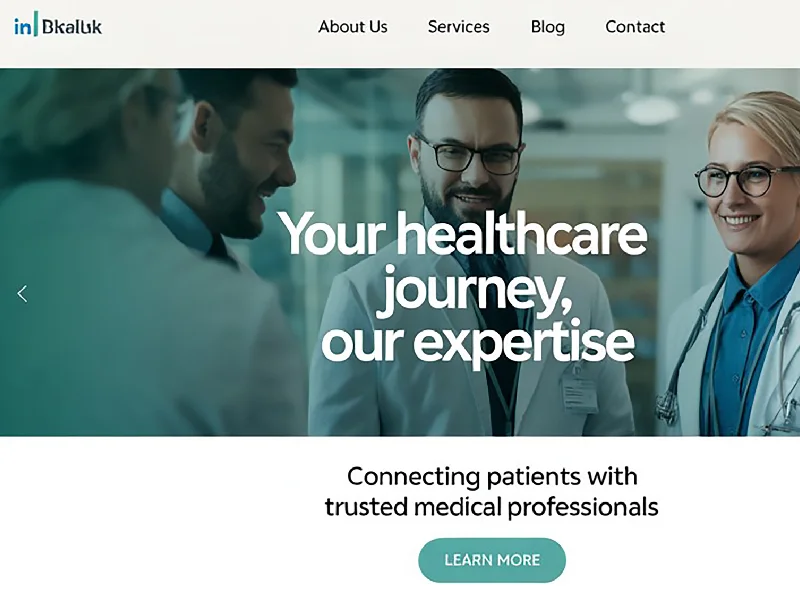
    Healthcare landing page strategy shown on desktop and mobile screens
    • Published:August 26, 2026
    • Author:Vigorant Healthcare Marketing Team
    • Category:Healthcare Marketing · Landing Page Design · CRO
    The Technology Explained

    What Makes a Healthcare Landing Page Convert Patients

    A healthcare landing page is a focused webpage built around one patient need, one service, and one primary action. Unlike a homepage, it does not ask visitors to browse many options before deciding what to do. It guides them from interest to action through clear messaging, trust signals, service explanation, and simple contact options. For doctors, dentists, chiropractors, and clinics, this matters because patients often arrive with specific concerns. They may be comparing providers, evaluating symptoms, reviewing treatment options, or looking for a nearby appointment.

    A high-converting landing page works because it reduces uncertainty. Patients are rarely making purely casual decisions when they search for care. They may worry about cost, pain, results, provider experience, privacy, or whether the service fits their situation. Strong landing pages answer those concerns before the visitor calls or submits a form. They explain what the service helps with, what makes the practice credible, what the patient can expect next, and how to take action. When those answers are easy to find, the page becomes more than a marketing asset.

    Conversion also depends on alignment. The ad, search query, social post, Google Business Profile link, or referral source should match the page visitors see. If someone searches for dental implants, the landing page should not feel like a general dentistry page. If a patient clicks an emergency care ad, they should immediately see urgent contact options. This match between intent and page content improves both conversion rate and lead quality because the visitor understands why they are there and what to do next.

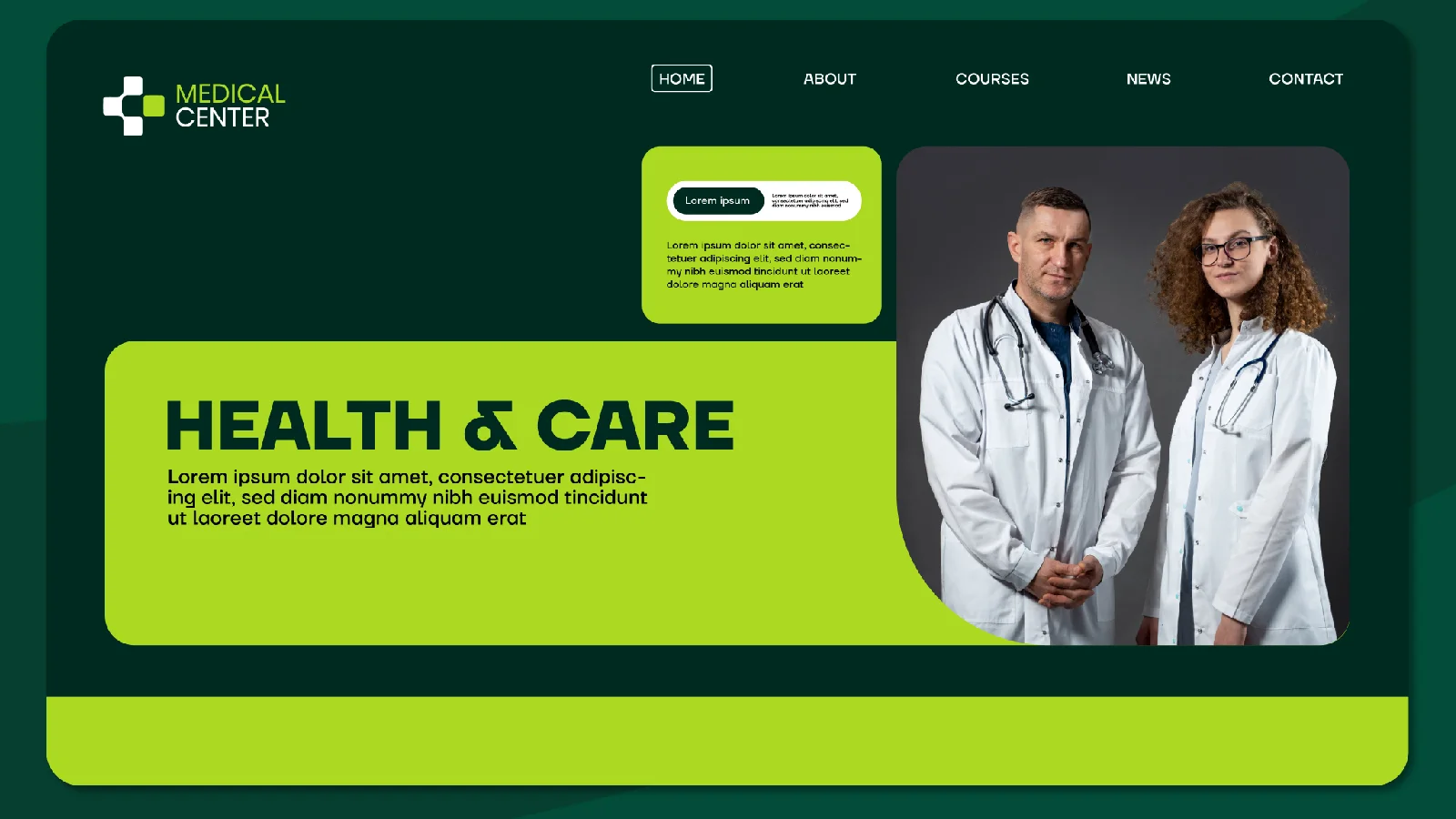
    "A healthcare landing page converts best when every section answers one patient question and moves them closer to a confident next step."

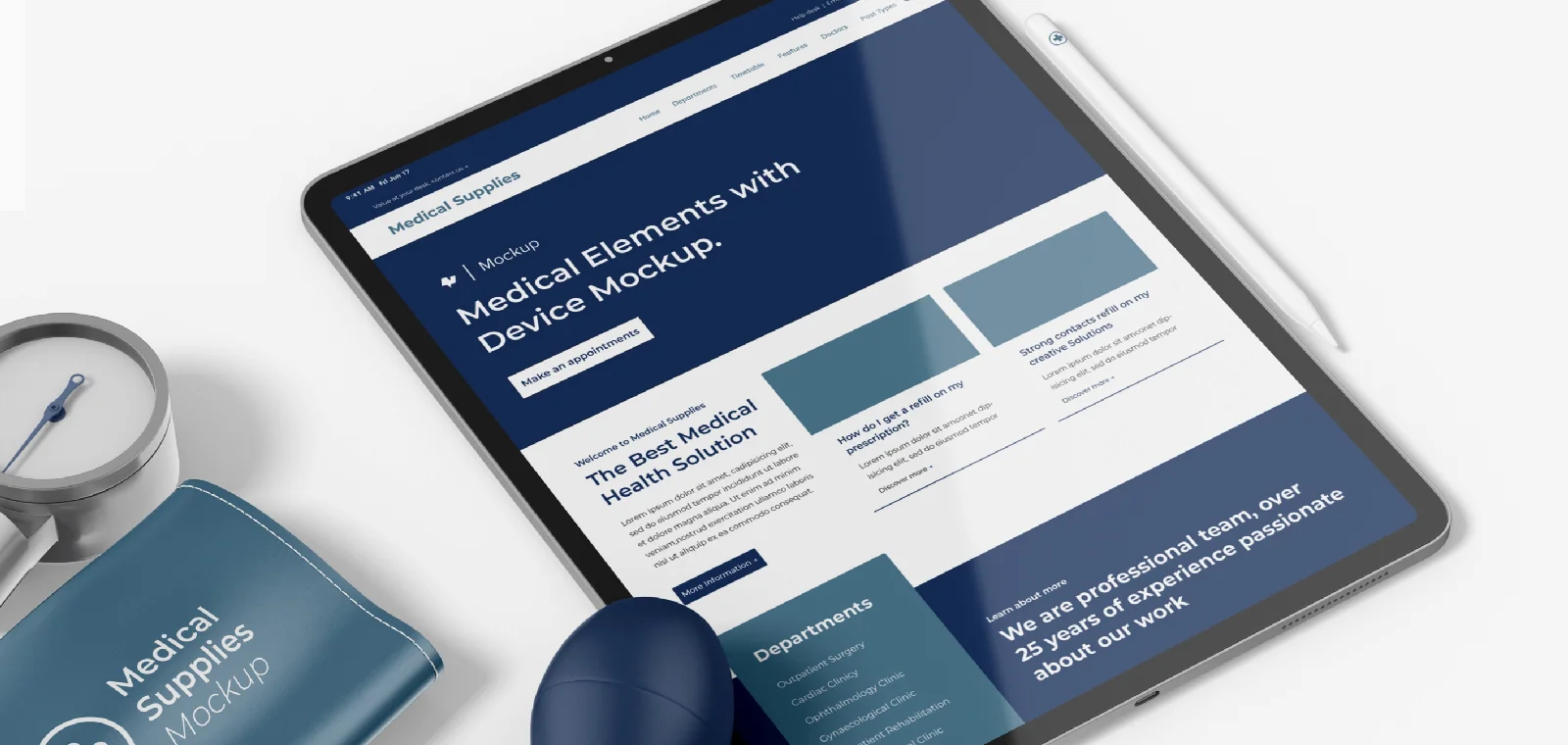
    Healthcare landing page conversion interface with service details and appointment CTA
    The Upside

    Why Better Landing Pages Drive More Appointments

    Focused landing pages improve patient acquisition by making the decision journey simpler, clearer, and more trustworthy.

    01

    They Match One Patient Need

    A high-converting landing page focuses on one patient need instead of explaining every service the practice offers. This helps visitors immediately understand whether the page is relevant to them. A patient looking for Invisalign, dental implants, emergency dentistry, chiropractic care, or a medical consultation should see copy, visuals, and CTAs that match that exact concern.

    02

    They Build Trust Before Contact

    Patients often need reassurance before they call, book, or share contact information. A strong landing page builds trust through provider credentials, real practice details, review snippets, treatment process explanations, technology notes, and privacy-aware messaging. These trust signals should appear near key decision points so patients feel confident before taking action.

    03

    They Make the CTA Clear

    A high-converting page does not rely on vague buttons like “Submit” or “Learn More.” The CTA should tell patients exactly what action they are taking, such as “Request an Appointment,” “Schedule a Consultation,” or “Call for Same-Day Care.” Clear CTA wording helps patients understand the next step and helps the practice receive more relevant inquiries.

    04

    They Reduce Mobile Friction

    Many healthcare searches happen on mobile devices, especially when patients need care quickly. A better mobile landing page uses short sections, large buttons, visible phone numbers, fast scanning, and simple forms. Patients should be able to understand the offer and act with minimal effort, whether they are calling, booking, or submitting a form.

    05

    They Improve Lead Quality

    More form submissions do not always mean better results. A landing page should help attract patients who understand the service, live near the practice, and are ready for the next step. Clear service copy, location context, and specific CTAs help patients self-qualify before contacting the office, making follow-up easier for the front desk.

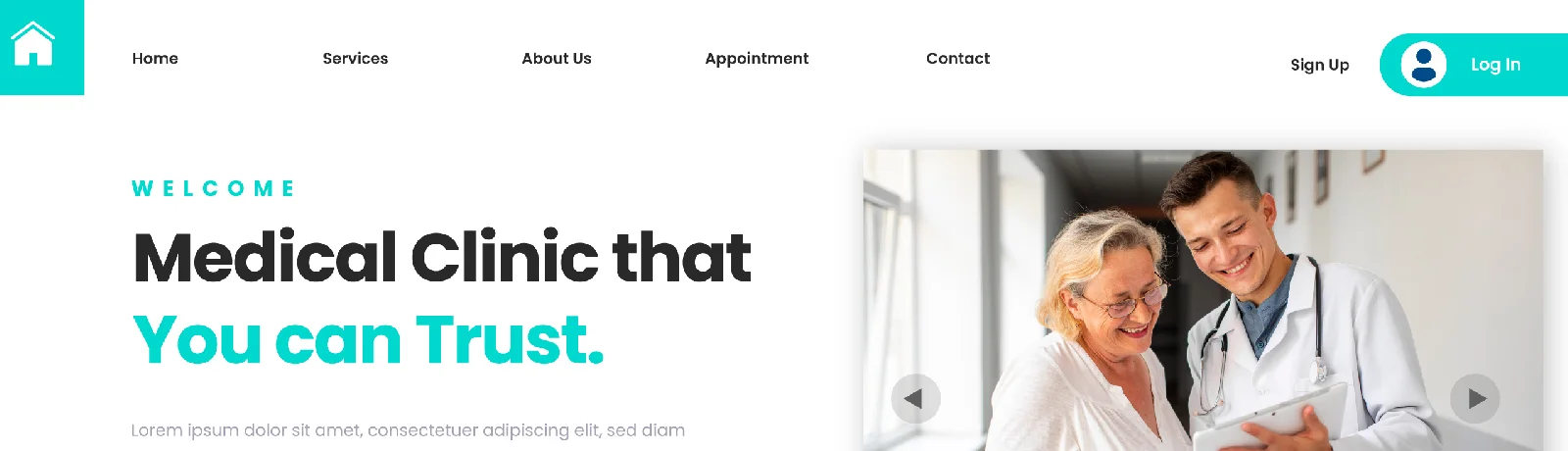
    Healthcare landing page conversion flow with trust signals and appointment action
    Key Insight

    "The best healthcare landing pages do not pressure patients. They clarify the service, build trust, and make the right next step feel easy."

    The Risks

    Common Mistakes That Lower Landing Page Conversions

    A landing page can look polished but still underperform if it creates confusion, friction, or unrealistic expectations.

    Healthcare landing page mistake analysis with homepage, CTA, form, and local relevance issues

    Sending Everyone to the Homepage

    A homepage is usually too broad for a focused campaign. It may include many services, team information, general messaging, and navigation choices. That can be useful for general browsing, but it may distract patients who arrived with one specific need and expected a clear next step.
    Broad messageToo many choicesLower intent match

    Using Generic Healthcare Copy

    Generic phrases like “quality care,” “modern treatment,” and “friendly team” may sound professional, but they do not explain why the page matters to the patient. If every practice says the same thing, the visitor has no clear reason to choose one provider over another or take action.
    Generic claimsWeak differentiationLow urgency

    Hiding the Main CTA

    Some landing pages make visitors work too hard to take action. The phone number may be hidden in the header, the form may be too low on the page, or the appointment button may appear only once. This creates unnecessary friction, especially for mobile users and urgent patient needs.
    Hidden phone numberLow form placementWeak action path

    Asking for Too Much Information

    Long forms can reduce conversions, especially when patients are still early in the decision process. A form that asks for detailed symptoms, insurance information, treatment history, or sensitive personal details may feel intrusive before trust is established and make visitors leave before submitting.

    Overpromising Results

    Healthcare landing pages should avoid language that sounds too absolute. Claims like “guaranteed results,” “pain-free forever,” or “perfect smile instantly” may attract attention, but they can create unrealistic expectations and reduce credibility. More realistic wording helps patients feel informed instead of pressured.

    "Confident healthcare copy should build trust without promising outcomes the practice cannot responsibly support."

    Vigorant Healthcare Marketing Team

    Ignoring Local Relevance

    Healthcare decisions are often local. Patients want to know whether the office is nearby, easy to reach, and relevant to their area. A landing page that does not mention the city, neighborhood, or service area may attract visitors who are less likely to book or follow through.
    Head-to-Head

    Generic Webpage vs. High-Converting Landing Page

    A healthcare landing page performs differently when every section supports one patient decision.

    Comparison PointGeneric WebpageHigh-Converting Landing Page
    Main PurposeGeneral informationOne focused patient action
    Service FocusMultiple servicesOne service or campaign
    HeadlineBroad practice messagePatient need and outcome
    CTAGeneral contact promptClear appointment action
    FormGeneric inquiry formShort, service-aware form
    Trust SignalsScattered or missingNear decision points
    Mobile ExperienceStandard responsive layoutMobile-first conversion flow
    Patient EducationBasic service descriptionClear next-step guidance
    Local RelevanceOften limitedCity and service-area context
    Lead QualityMixed inquiriesBetter-fit patient leads
    Paid Ad UseLower message matchStrong campaign alignment
    TrackingBroad website analyticsCalls, forms, and conversions

    A generic webpage can inform visitors, but a high-converting landing page is built to guide the right patients toward the right appointment step.

    Decision Guide

    Choosing the Right Landing Page Strategy

    ✓ Use a Campaign Landing Page When:

    • Promoting dental implants, veneers, Invisalign, or emergency care
    • Running Google Ads, Meta ads, or local awareness campaigns
    • Testing a new service, offer, or patient audience
    • Sending traffic from a specific email or social campaign
    • Measuring calls, forms, and appointment requests clearly

    ⚠ Use a Service Page When:

    • Building long-term search visibility for core services
    • Explaining treatment details, process, and patient expectations
    • Supporting internal links from blogs and related pages
    • Helping patients compare services before contacting the practice
    • Creating a broader education hub around one treatment category
    Vigorant's Approach

    How Vigorant Builds Healthcare Landing Pages

    Vigorant builds healthcare landing pages around patient intent, service relevance, trust-building content, mobile usability, and measurable conversion paths. For doctors, dentists, chiropractors, and healthcare practices, the goal is not just to design a professional page. The goal is to help visitors understand the service, feel confident in the provider, and take a meaningful next step.

    • Service-specific strategy aligned with search intent, campaign goals, and patient needs.

    • Patient-friendly copy that explains benefits without confusing clinical language.

    • Trust sections using reviews, credentials, process clarity, and provider context.

    • Mobile-first layouts with visible CTAs, simple forms, and fast scanning.

    • Privacy-aware form planning that respects sensitive healthcare decision-making.

    • Conversion tracking for calls, forms, appointment requests, and lead quality.

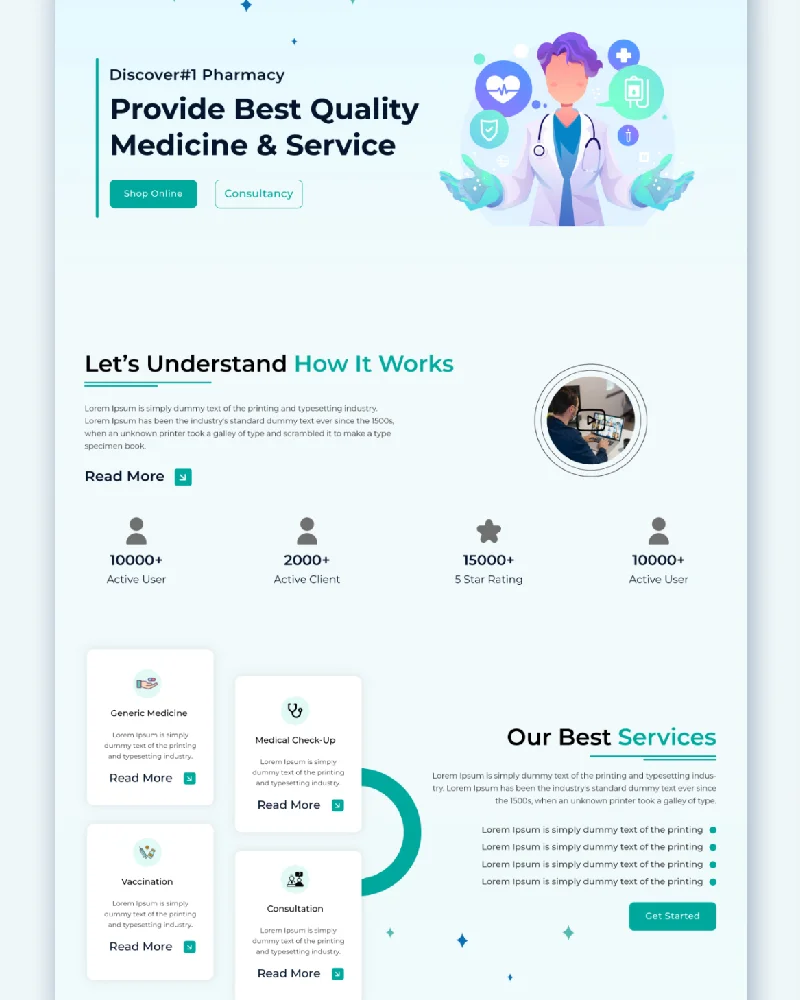
    Healthcare landing page strategy with service-specific pages, mobile CTAs, trust sections, and conversion tracking
    AI Search Visibility

    AI Search Visibility for Healthcare Landing Pages

    Patients increasingly compare healthcare options through search engines, maps, review platforms, and AI assistants like ChatGPT, Gemini, and Perplexity. Landing pages should clearly answer patient questions and provide useful details such as FAQs, provider information, locations, services, and realistic claims, making them easier for both patients and search systems to understand. Strong structure, useful content, and trust signals can improve visibility across evolving discovery channels while also guiding visitors toward taking the next step.

    ChatGPTGoogle GeminiPerplexityMicrosoft CopilotClaude

    Answer common patient questions with direct, helpful language

    Include provider credentials and practice context clearly

    Add location relevance and service-area details naturally

    Use structured headings that explain each page section

    Keep healthcare claims realistic, specific, and patient-safe

    AI-ready landing pages work best when they are already useful to patients. Clear structure and honest copy make the page easier to trust.

    FAQ

    Frequently Asked Questions

    Answers to common questions about creating high-converting healthcare landing pages.

    A healthcare landing page is a focused webpage designed around one patient need, service, or campaign. Unlike a homepage, it does not ask visitors to browse many areas of the website before acting. It explains the service, shows trust signals, answers common concerns, and guides visitors toward one next step, such as calling, booking, or submitting a form. For doctors, dentists, chiropractors, and clinics, landing pages are especially useful for paid ads, service promotions, and high-intent patient searches.

    Ready to Grow?

    Ready to Build Landing Pages That Convert?

    Your healthcare website should do more than look professional. Vigorant helps practices create landing pages that explain services clearly, build patient trust, improve mobile action, and turn more qualified visitors into appointment opportunities. With the right strategy, every landing page can support stronger patient acquisition and long-term practice growth.

    • Patient-Intent Strategy
    • Healthcare-Exclusive Agency
    • Conversion-First Design