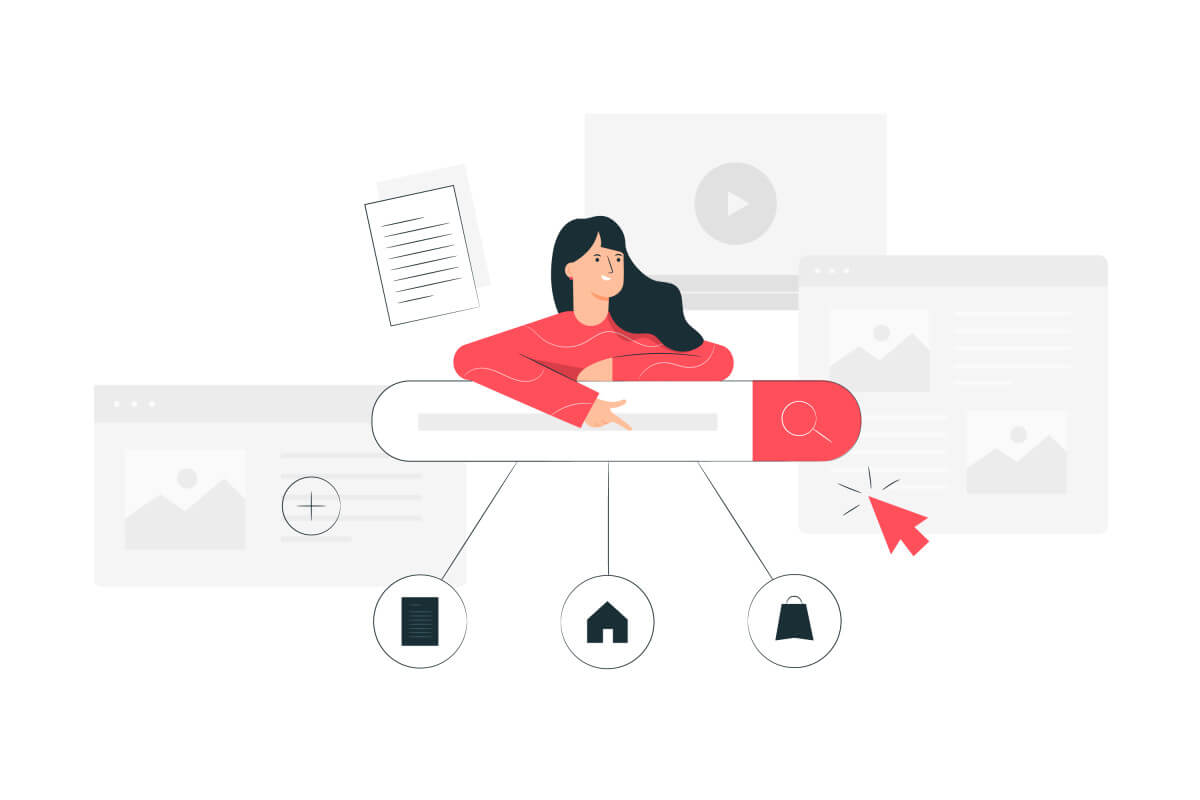
Essential Elements Of A High-Converting Landing Page
Discover the essential elements of a high-converting landing page, including headlines, trust signals, CTAs, and mobile optimization to increase leads and conversions.


Jun 11, 2026
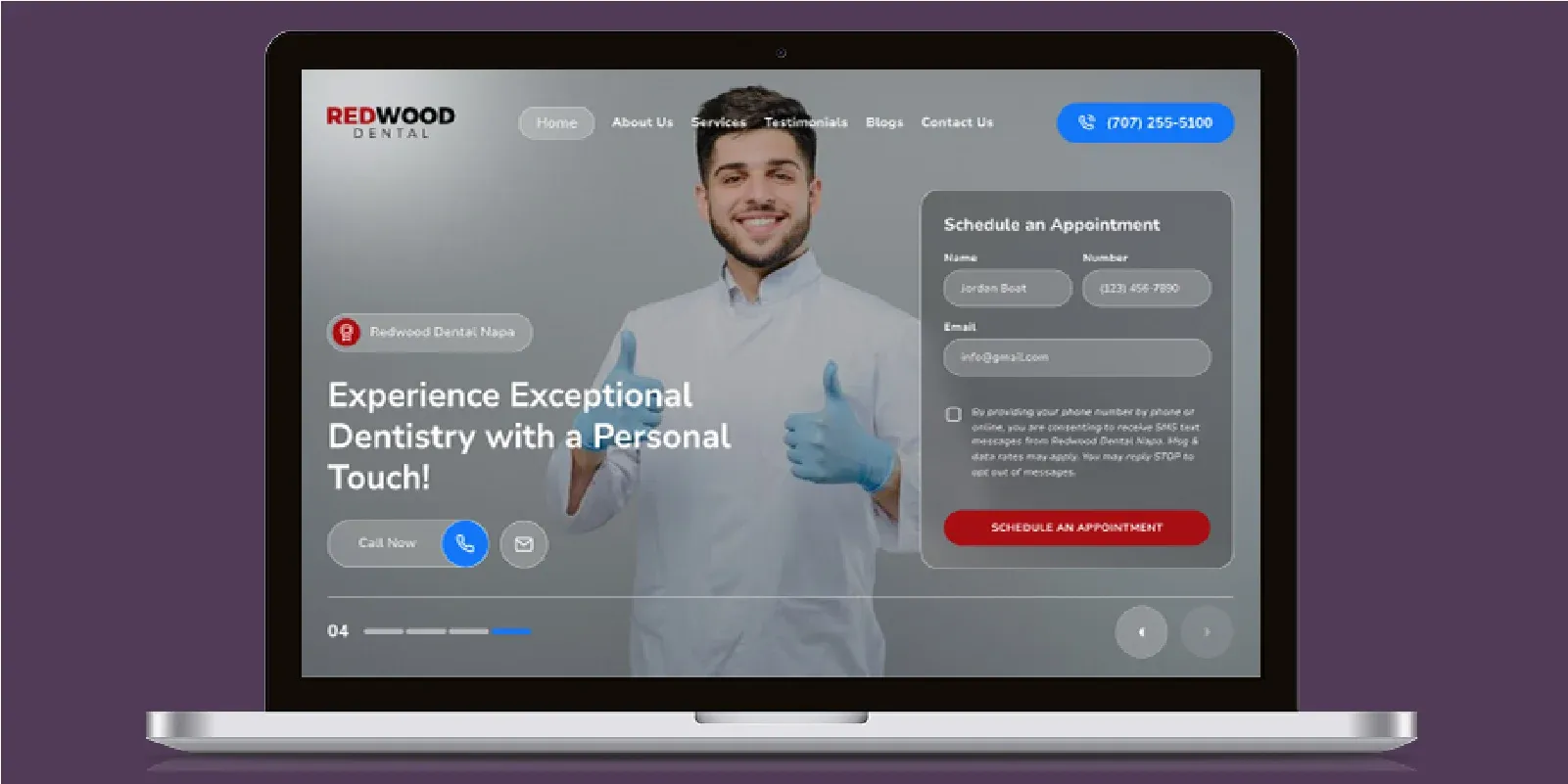
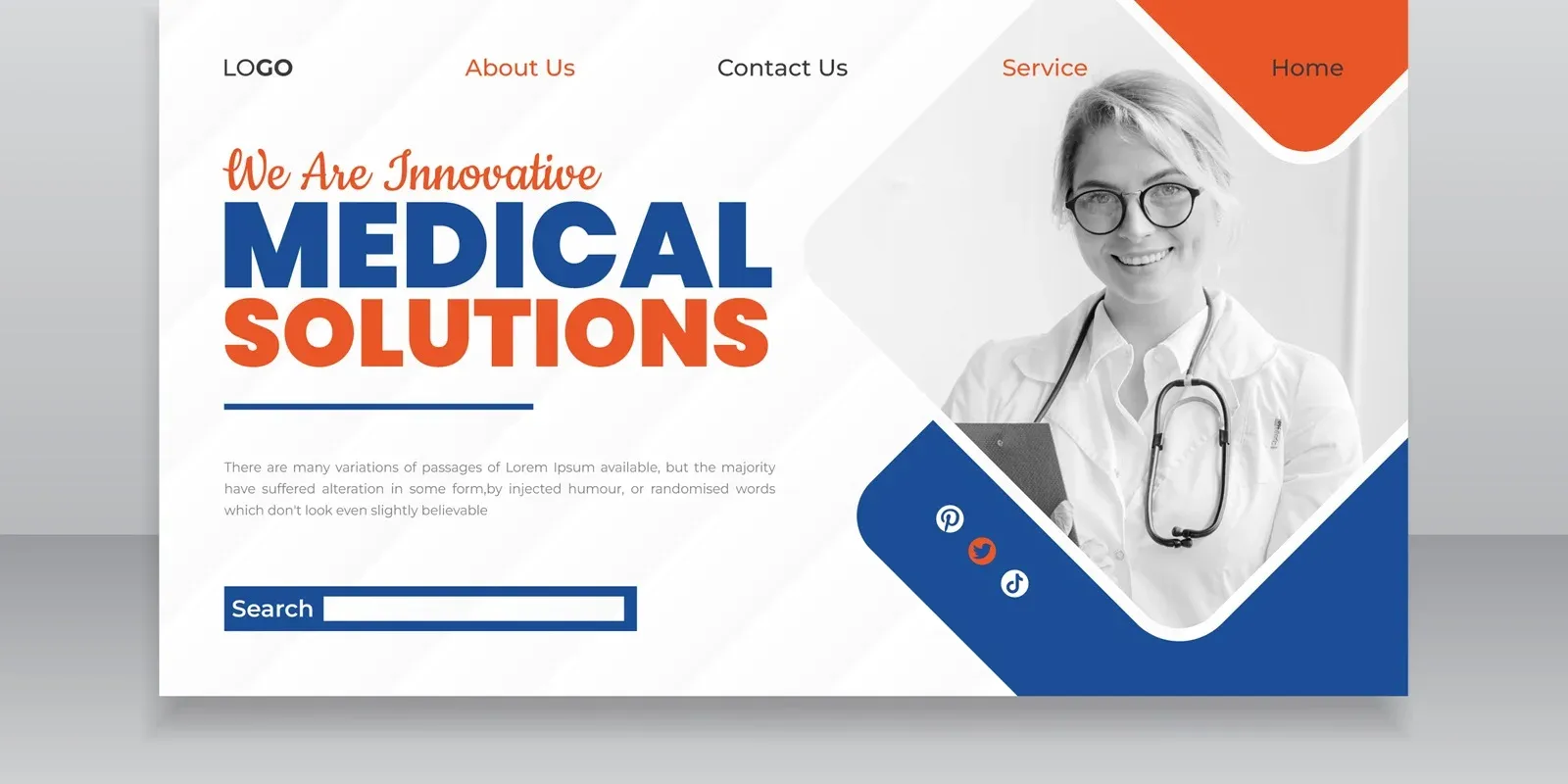
Landing pages play a crucial role in turning website visitors into leads and customers. Whether traffic comes from paid advertising, email campaigns, social media promotions, or search engines, the landing page determines whether a visitor takes action or leaves. Unlike traditional website pages that provide multiple navigation options, landing pages focus on a single objective. Their purpose is to guide users toward a specific action while minimizing distractions and creating a seamless user experience.
Many businesses invest heavily in driving traffic but overlook the importance of optimizing the destination page. Even the best marketing campaign can underperform if the landing page fails to communicate value, establish trust, or provide a clear next step. High-converting landing pages combine persuasive messaging, user-focused design, and strategic conversion elements that encourage visitors to engage. Understanding the key components that influence conversion rates can help businesses maximize their marketing performance and generate better results.
Elements That Drive High-Converting Landing Page Performance
1. Compelling Headline
A headline is the first thing visitors notice when they arrive on a landing page. It should immediately communicate the value of the offer and explain why the visitor should continue reading. Strong headlines are clear, specific, and benefit-focused rather than vague or overly promotional.
An effective headline captures attention within seconds and sets expectations for the rest of the page. When visitors instantly understand what is being offered and how it can help them, they are more likely to stay engaged and explore further.
2. Clear Value Proposition
A landing page should clearly explain what makes the offer valuable and why visitors should choose your business over competitors. The value proposition should highlight the primary benefit and address the specific problem the visitor wants to solve.
When the value proposition is communicated effectively, visitors can quickly determine whether the offer meets their needs. This clarity reduces uncertainty and increases the likelihood of conversion.
3. Trust Signals
Visitors are more likely to take action when they trust the business behind the offer. Trust signals such as testimonials, reviews, case studies, certifications, awards, and client logos help establish credibility and reduce perceived risk.
Displaying evidence of customer satisfaction and industry expertise reassures visitors that they are making a safe decision. Trust-building elements are especially important for businesses operating in competitive markets.
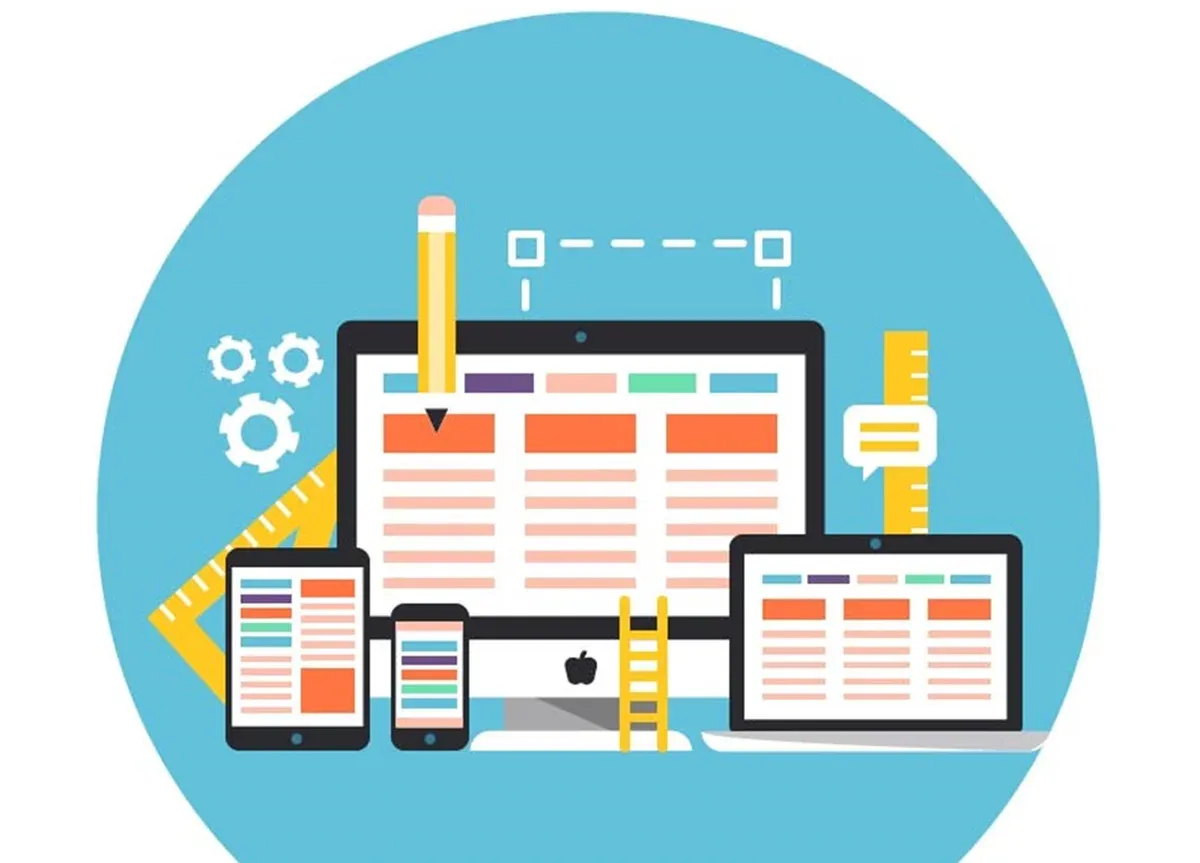
4. Mobile Responsiveness
A significant portion of landing page traffic comes from mobile devices. If a page is difficult to navigate on a smartphone or tablet, visitors may leave before completing the desired action.
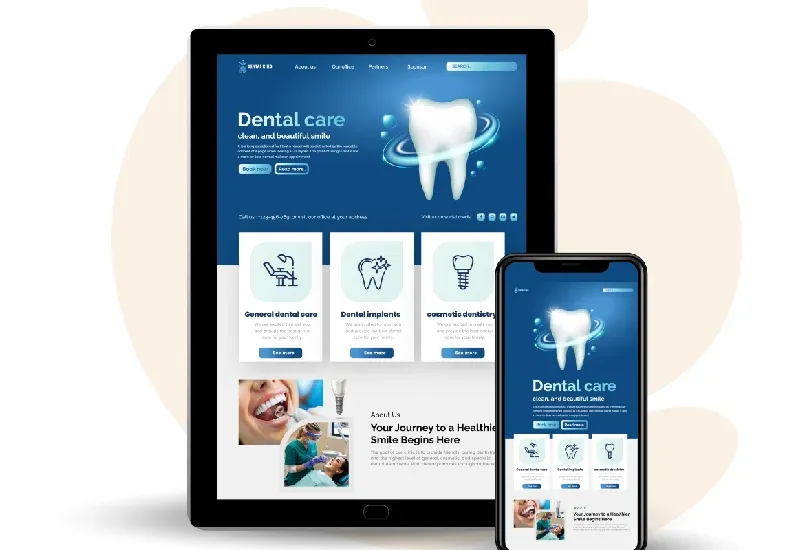
Responsive landing pages automatically adapt to different screen sizes, ensuring a smooth experience across devices. Fast loading times, readable content, and mobile-friendly forms all contribute to better engagement and higher conversion rates.
5. Focused Call-To-Action
Every landing page should include a clear and compelling call-to-action (CTA). Visitors should never wonder what step to take next. Whether the goal is booking a consultation, requesting a quote, or downloading a resource, the CTA should communicate the benefit of taking action.
Action-oriented language and strategic placement help increase visibility and encourage users to convert. Multiple CTA opportunities throughout the page can improve results without creating distractions.
The best landing pages combine clarity, trust, simplicity, and strategic design to transform visitor interest into measurable business results.
Best Practices for Maximizing Landing Page Conversion Rates
| Landing Page Goal | Recommended Practice |
|---|---|
| Increase Form Submissions | Keep forms short and ask only for essential information. |
| Improve User Engagement | Use clear headings, concise copy, and strong visuals. |
| Build Visitor Trust | Display testimonials, reviews, awards, certifications, and client success stories. |
| Reduce Bounce Rates | Improve page speed and ensure content matches visitor intent. |
| Generate More Leads | Include compelling calls-to-action throughout the page. |
| Improve Mobile Conversions | Include compelling calls-to-action throughout the page. |
| Increase Ad Campaign ROI | Align landing page messaging closely with ad copy and audience expectations. |
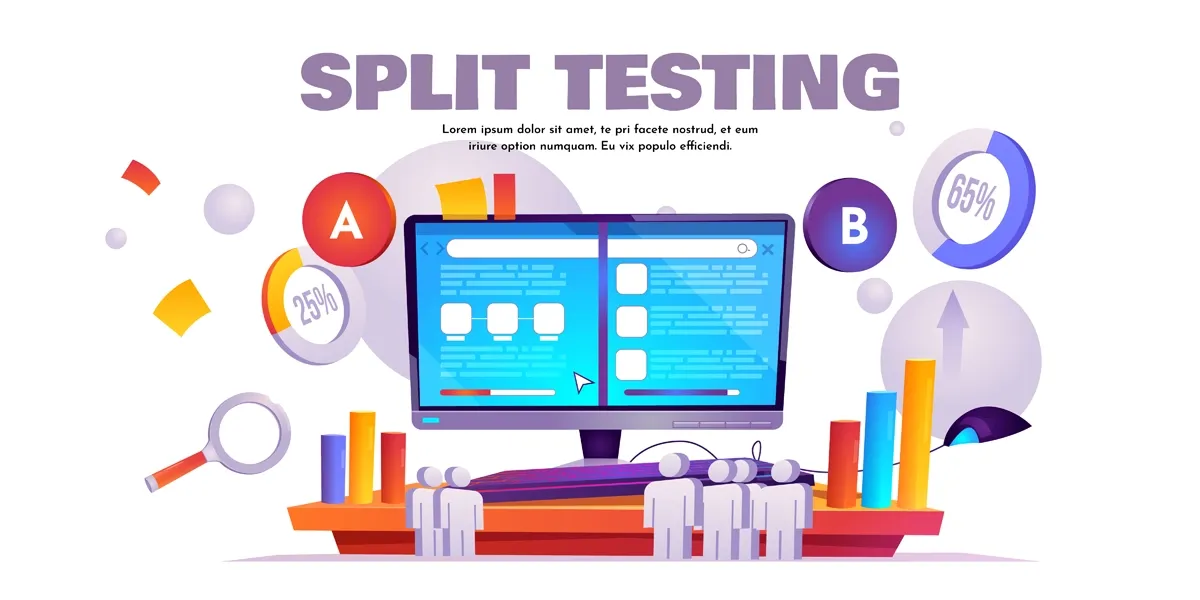
| Support Long-Term Growth | Regularly test headlines, CTAs, forms, and page layouts to improve performance. |
Why Continuous Landing Page Optimization Matters
A landing page should never be considered a finished asset. Visitor behavior, market trends, and customer expectations change over time, making ongoing optimization essential for maintaining strong conversion rates. Regularly reviewing analytics, user interactions, and conversion data helps businesses identify areas for improvement and uncover opportunities to enhance performance. Even small adjustments to headlines, visuals, forms, or call-to-action buttons can lead to meaningful increases in leads and conversions.
Contact UsBusinesses that consistently test and refine their landing pages are better positioned to maximize marketing ROI and stay ahead of competitors. A data-driven approach ensures that landing pages continue to align with visitor intent while delivering the best possible user experience. By treating optimization as an ongoing process rather than a one-time task, businesses can achieve sustainable growth and improve the effectiveness of every marketing campaign.
Turn More Visitors Into Qualified Leads
Creating a landing page is easy. Creating one that consistently generates leads and supports business growth requires strategy, design expertise, and ongoing optimization. Every element on the page should work together to guide visitors toward a specific action while building confidence in your brand.
At Vigorant, we design conversion-focused landing pages that help businesses maximize advertising performance, improve lead quality, and increase return on investment. From compelling messaging and user-focused design to mobile optimization and conversion tracking, our team builds landing pages that support measurable growth.
Landing Pages Support Long-Term Growth
While landing pages are often associated with short-term campaigns, they can also contribute to long-term business growth. Well-designed landing pages help businesses capture leads consistently, gather valuable customer insights, and improve the efficiency of marketing efforts across multiple channels.
As businesses expand their digital presence, landing pages become an essential part of the customer acquisition process. When combined with SEO, paid advertising, email marketing, and social media campaigns, they create a scalable system for generating qualified leads and supporting sustainable growth.
Conclusion
A high-converting landing page is more than an attractive webpage. It is a strategic marketing asset designed to guide visitors toward a specific action. By incorporating essential elements such as compelling headlines, strong value propositions, trust signals, mobile responsiveness, focused calls-to-action, and streamlined user experiences, businesses can significantly improve conversion performance and maximize marketing effectiveness.
As competition for online attention continues to grow, landing page optimization becomes increasingly important. Businesses that invest in creating focused, user-friendly, and conversion-driven landing pages are better positioned to capture leads, improve campaign results, and achieve sustainable growth. Small improvements in landing page performance can lead to significant gains in lead generation and revenue over time.
Resource:
FAQ
Still have a Question? Contact Us
A successful landing page combines clear messaging, strong design, trust signals, and compelling calls-to-action that encourage conversions.
Most landing pages benefit from multiple strategically placed CTAs that remain focused on the same conversion goal.
Trust signals reduce visitor hesitation and help establish credibility, increasing the likelihood of lead generation and conversions.
Yes. Mobile responsiveness improves user experience and helps capture conversions from smartphone and tablet users.
Landing pages should be reviewed and tested regularly to improve performance, user experience, and conversion rates.
Learn more about digital marketing in your field through our blogs