How Landing Pages Improve Paid Advertising Results for Healthcare Practices
Learn how healthcare landing pages improve paid advertising performance, patient lead quality, appointment conversions, ad relevance, and marketing ROI for dental and medical practices.

Category: Website Design & Development | Date: Jun 22, 2026


Healthcare paid advertising can bring fast visibility, but clicks alone do not grow a practice. Many dentists, doctors, and clinic managers spend money on Google Ads, Meta Ads, or paid search campaigns, yet still struggle with low appointment requests. The issue is often not the ad itself. It is where the patient lands after clicking. A generic homepage can create confusion, while a focused landing page guides visitors toward one clear next step.
For healthcare practices, landing pages help connect patient intent with a clear booking path. Someone searching for “emergency dentist near me,” “dental implants consultation,” or “primary care appointment” usually wants fast answers, trust, and an easy way to contact the office. A strong landing page removes distractions, highlights the service, builds confidence, and makes the next action simple. That is why landing pages are one of the most important parts of improving paid advertising results for healthcare practices.
Why Paid Advertising Clicks Often Fail To Convert
Many healthcare practices send paid traffic to a homepage filled with multiple services, menu links, team information, blog posts, and general content. This creates too many choices for a visitor who came from one specific ad.
A paid advertising visitor is different from a casual website visitor. They clicked because they had a clear need, concern, or question. If the page does not match that intent quickly, they may leave. That means poor landing page structure can waste ad budget. Even when your targeting is correct, weak messaging, slow loading speed, or unclear calls-to-action can reduce patient inquiries.
What Makes Landing Pages Improve Paid Advertising Performance
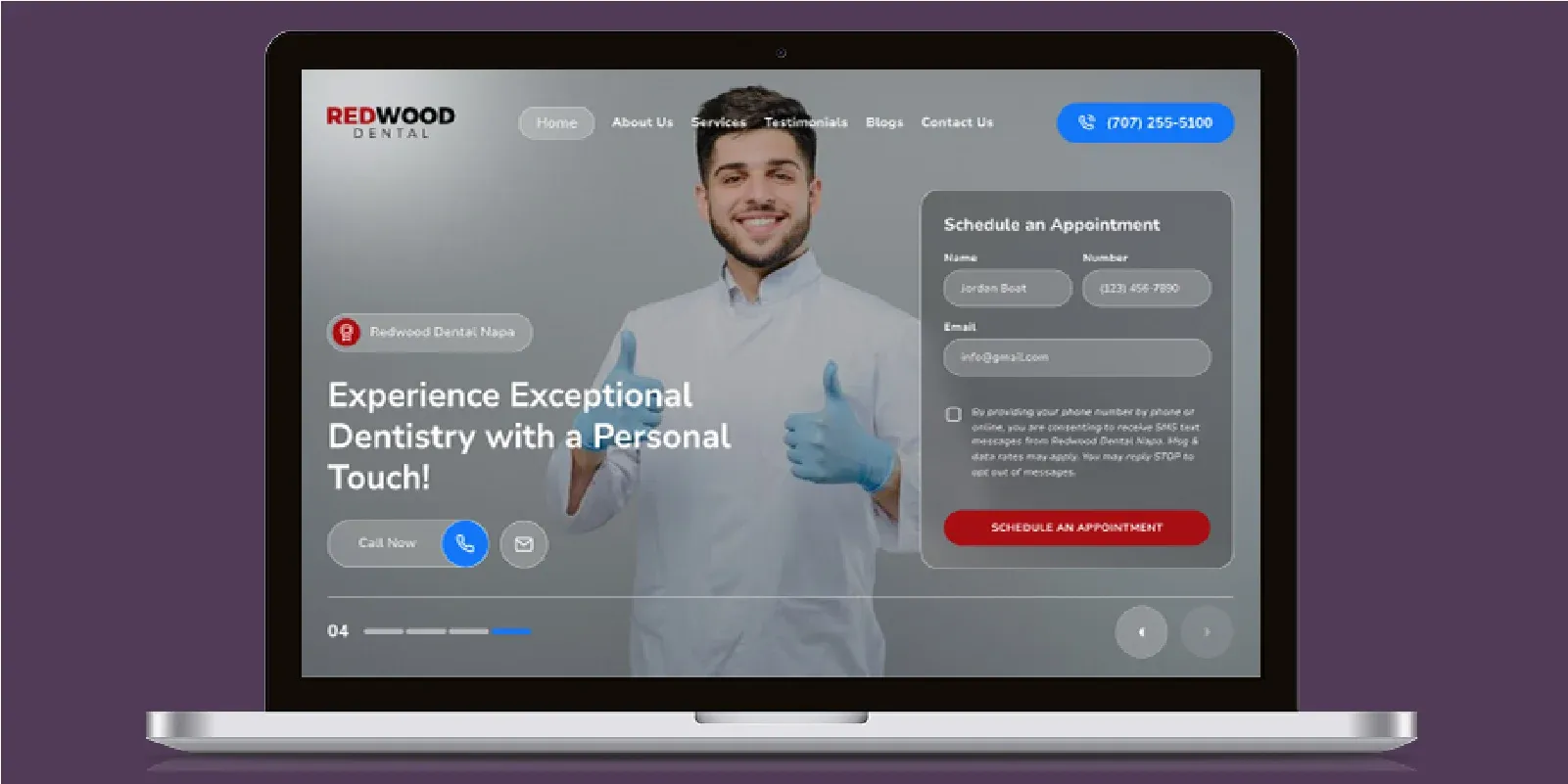
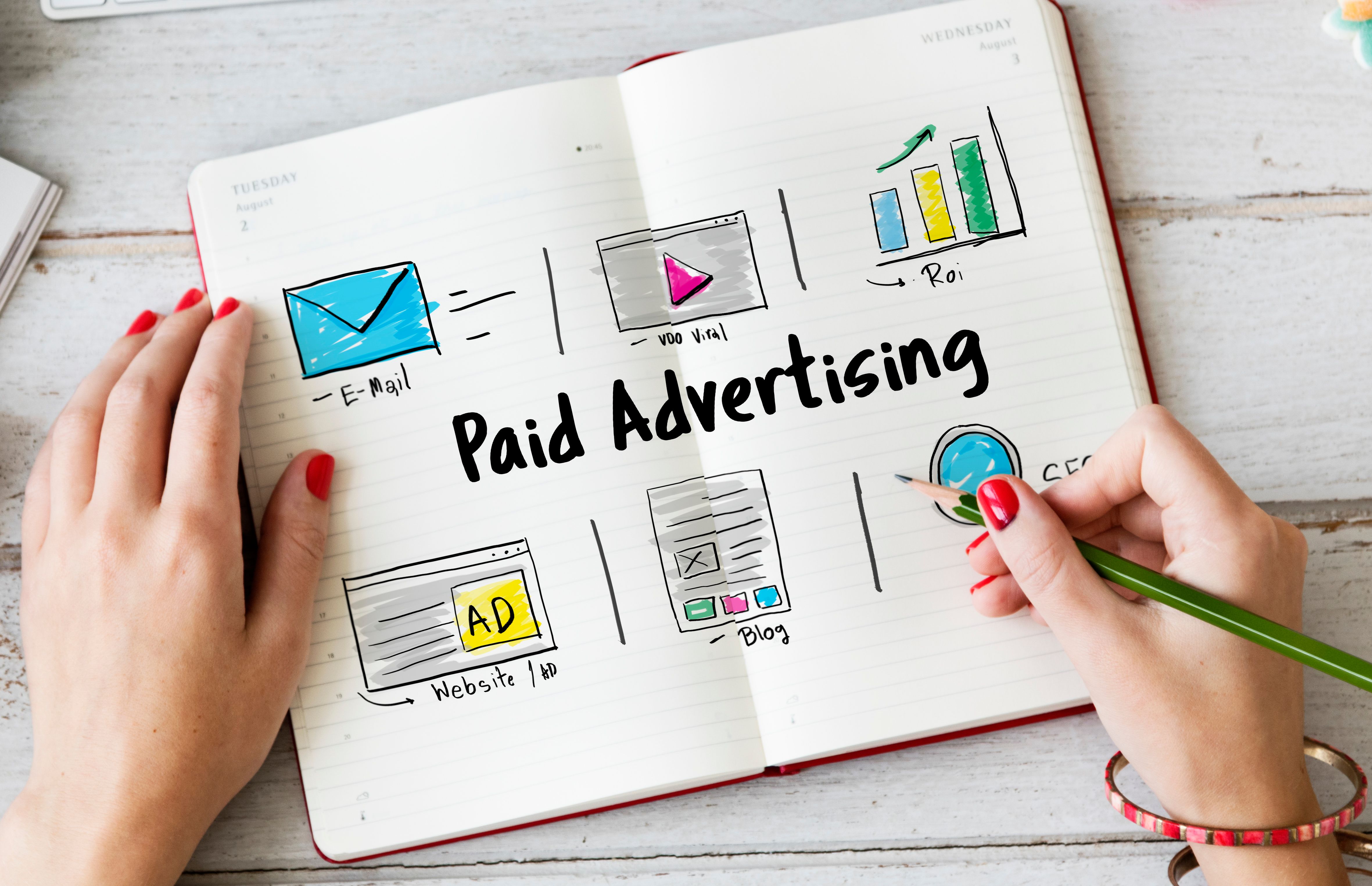
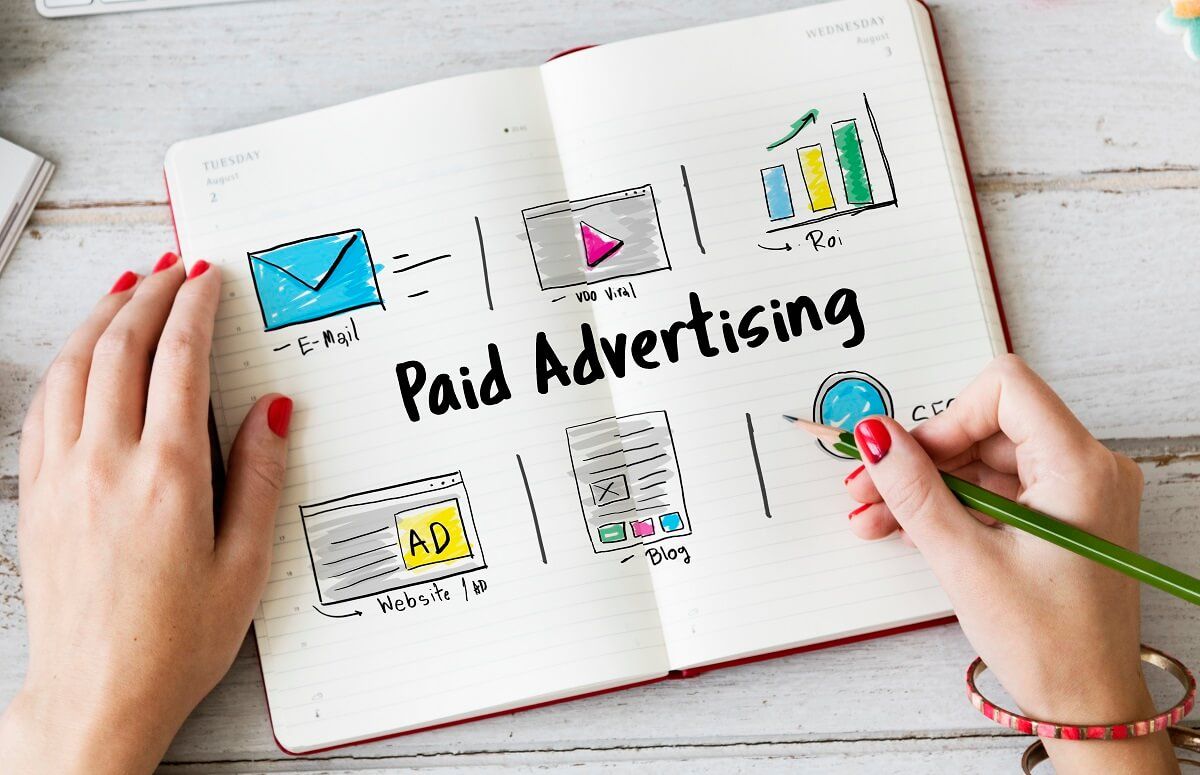
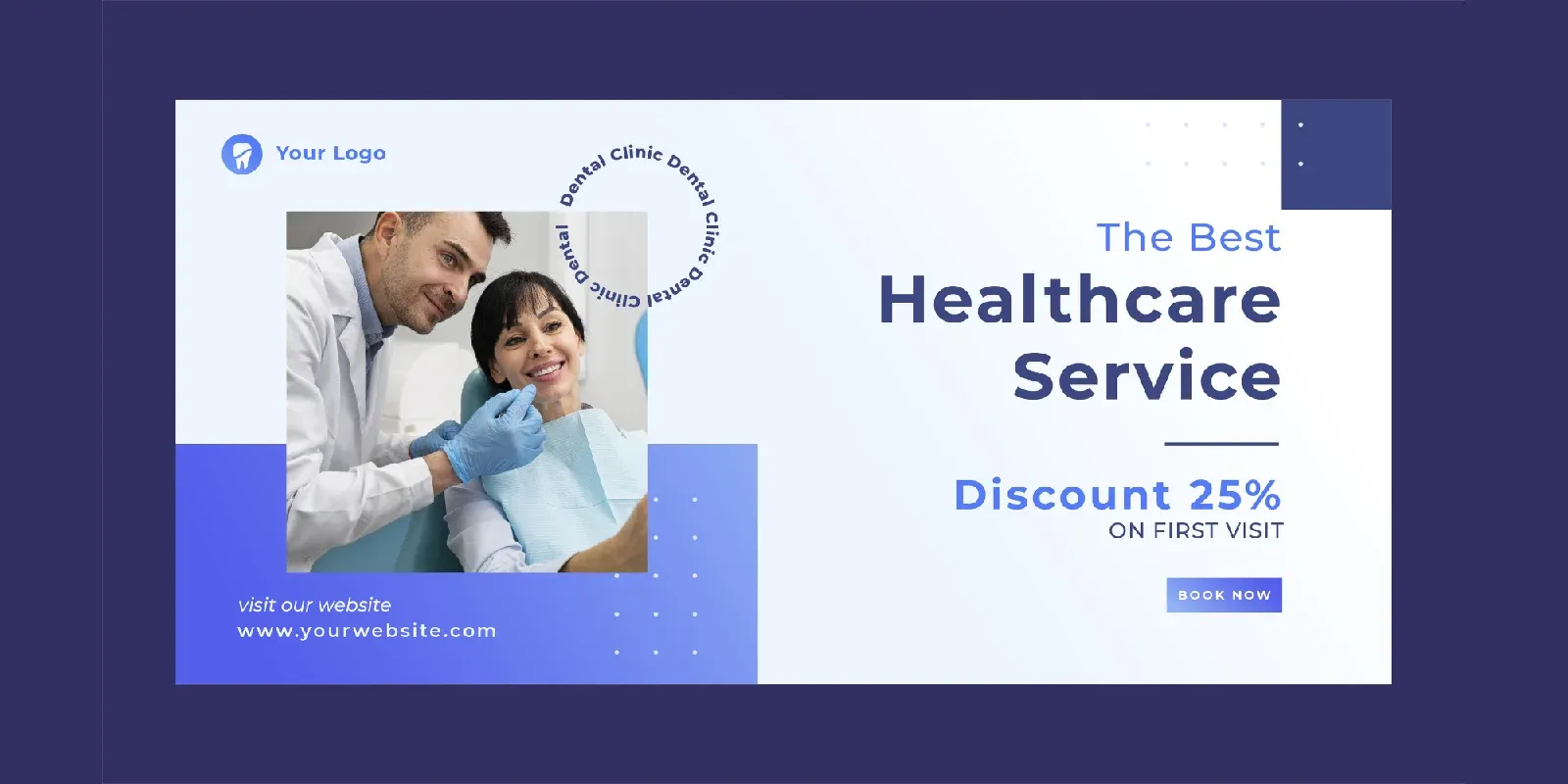
A healthcare landing page improves paid advertising results by aligning the ad, keyword, service, and patient action into one focused experience. Instead of asking visitors to explore your website, it guides them toward requesting an appointment, calling the office, or submitting a consultation form. This improves ad relevance, reduces confusion, and supports higher-quality lead generation. For practices investing in paid campaigns, Vigorant’s Landing Page Design service helps create focused pages built around patient intent, trust, and measurable conversion goals.
- A strong healthcare paid advertising landing page should include:
- A service-specific headline that matches the patient’s search intent and paid ad message clearly.
- A short explanation of the service without using confusing clinical or technical language.
- Visible phone number, form, and call-to-action buttons placed throughout the page naturally.
- Trust signals such as reviews, provider credentials, office photos, awards, or patient-friendly proof.
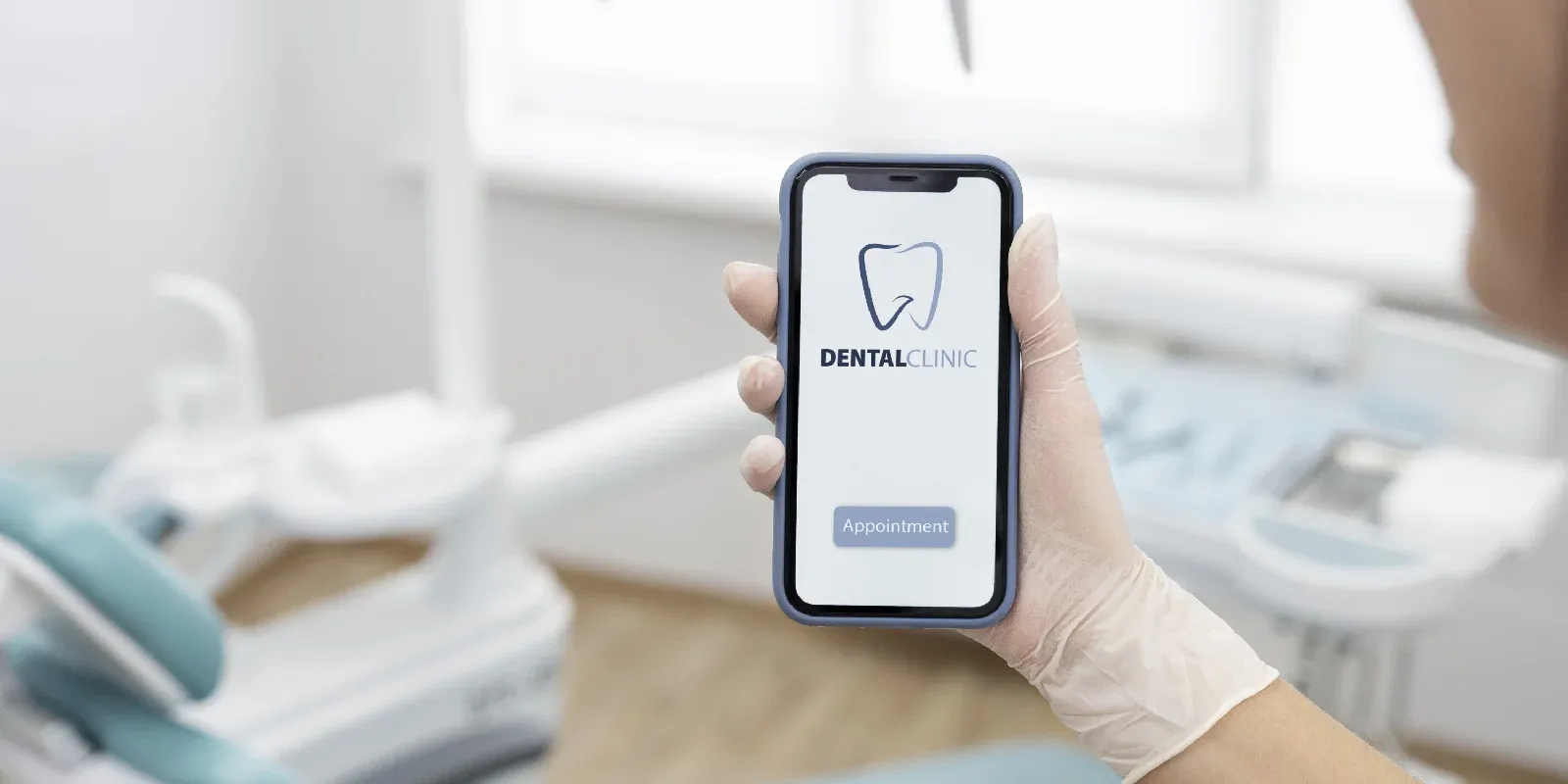
- Mobile-first design because many patients search and book from smartphones during urgent moments.
- Conversion tracking so the practice knows which ads, keywords, and pages drive real inquiries.
The Role Of Message Match
Message match means the landing page continues the same promise made in the ad. If your ad promotes dental implants, the page should focus on dental implants. If your ad promotes urgent care appointments, the page should not send visitors to a general clinic homepage.
“A powerful landing page connects patient needs with your services, creating a smoother journey from online search to scheduled appointment.”
How Landing Pages Build Patient Trust
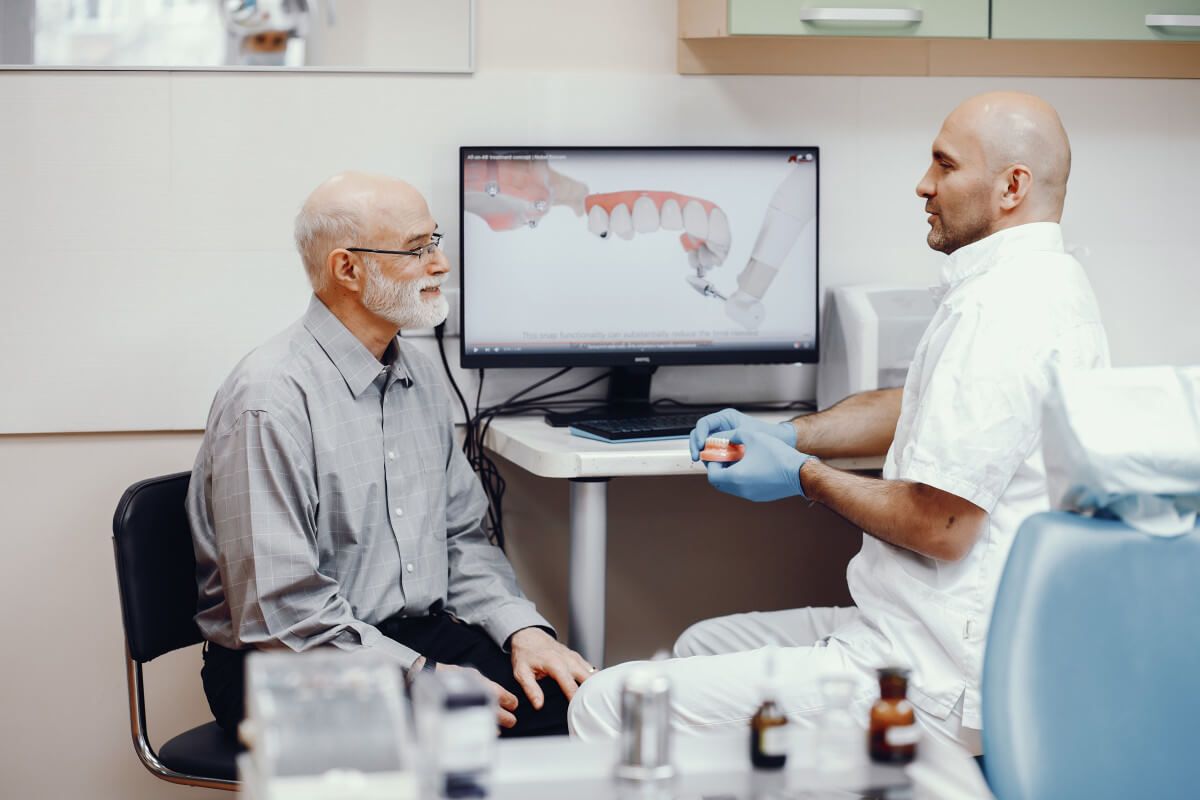
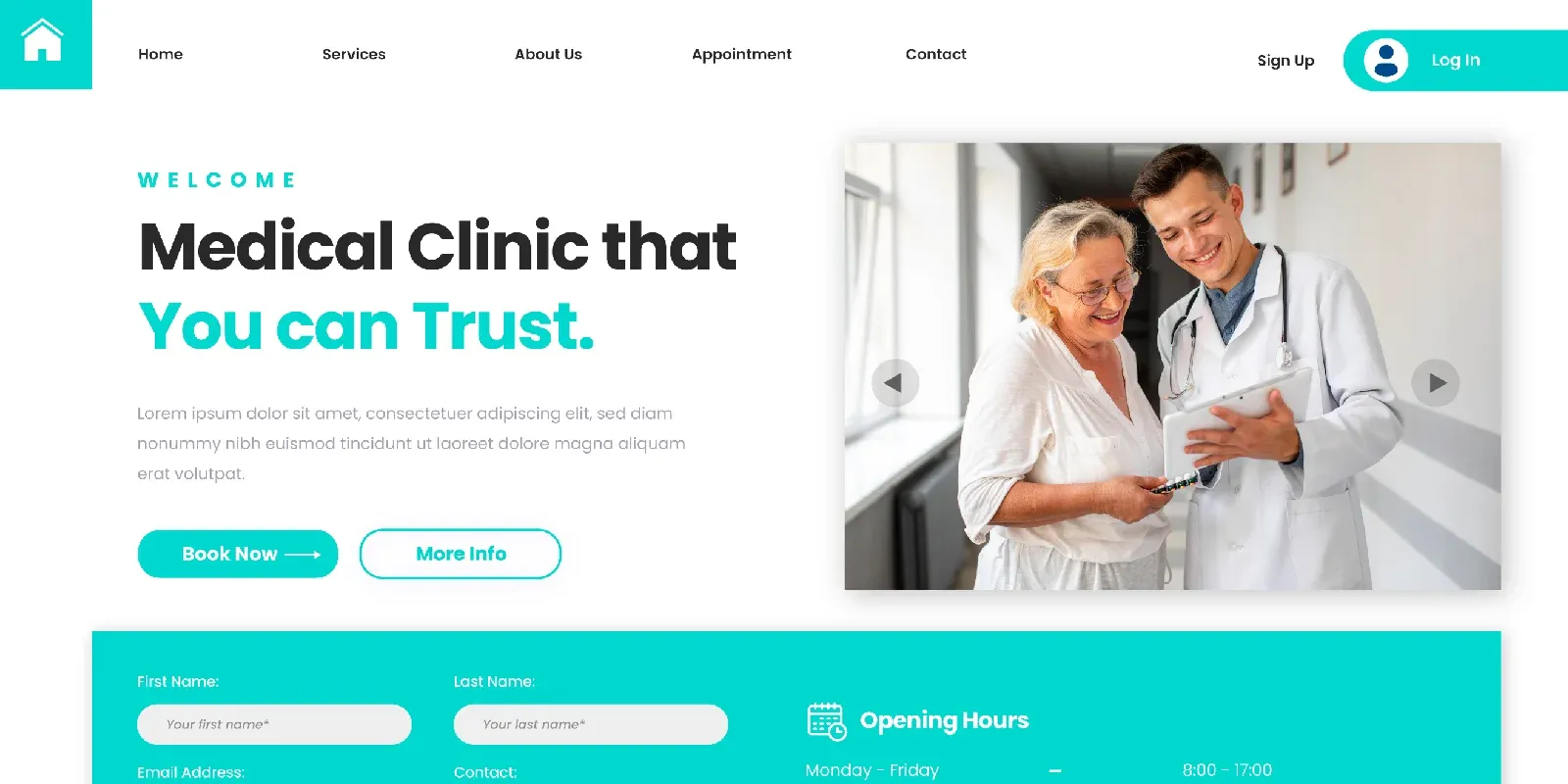
Healthcare decisions require trust. Patients are not only comparing services; they are judging comfort, safety, experience, convenience, and professionalism. A landing page gives your practice space to answer those concerns clearly. For example, a dental implant landing page can explain the consultation process, show provider experience, include patient-friendly visuals, and guide visitors to request an appointment without overwhelming them. A medical clinic page can explain availability, accepted visit types, and what happens after submitting a form.
Trust also comes from clarity. Patients want to know they are in the right place. They want to understand whether your practice can help, how to contact you, and what step comes next. When the page feels organized and easy to use, it creates confidence before the first call.
Landing Pages Support Better Lead Quality
Better paid advertising results are not only about getting more leads. They are about getting the right leads. A focused landing page helps filter traffic by speaking directly to patients who need a specific service. This reduces random inquiries and improves the chance that each form submission or phone call turns into a real appointment.
For healthcare business owners, this matters because front desk teams already manage calls, scheduling, follow-ups, insurance questions, and patient communication. Poor-quality leads create more work without real growth. A well-planned landing page can reduce friction for both the patient and the practice. It gives visitors key information upfront, answers common concerns, and encourages serious prospects to take action. When connected with proper tracking, your team can also see which paid advertising campaigns are producing calls, forms, booked appointments, and missed opportunities.
Conclusion
Landing pages improve paid advertising results because they turn patient attention into clear action. For healthcare practices, every paid click should lead to a page that matches the patient’s need, explains the service simply, builds trust quickly, and makes contacting the office easy. When landing pages are built with patient intent, compliance, mobile usability, and conversion tracking in mind, paid advertising becomes more predictable and more valuable. For dentists, doctors, clinic managers, and private practices, the right landing page can make the difference between paid traffic that disappears and paid traffic that becomes booked appointments.
Resource
FAQ
Still have a question? Contact Us
Homepages have too many options. Landing pages keep visitors focused on one service, one message, and one action.
Yes. Separate pages for implants, emergency dentistry, Invisalign, or whitening improve relevance and patient conversion opportunities.
Clear headlines, short forms, trust signals, mobile speed, strong CTAs, and service-specific messaging improve paid advertising performance.
Yes. Better relevance and conversion tracking help practices identify which clicks create real calls, leads, and appointments.
Claims should be careful, accurate, and compliant. Avoid guarantees, prescriptions, or language that may mislead patients.
Learn more about digital marketing in your field through our blogs